


Can an AC Solenoid Coil be used in an automotive application?
As a supplier of AC solenoid coils, I often encounter inquiries regarding the feasibility of using our products in automotive applications. This topic is not only relevant to the automotive industry but also to our business, as we strive to meet the diverse needs of our customers. In this blog, I will delve into the technical aspects, advantages, and challenges of using AC solenoid coils in automotive settings.
Technical Overview of AC Solenoid Coils
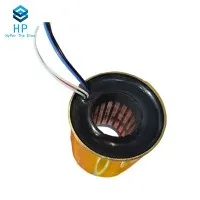
AC solenoid coils operate on alternating current, which means the magnetic field they generate alternates in direction. This is in contrast to DC Solenoid Coil, which produce a constant magnetic field. The alternating magnetic field in an AC solenoid coil causes the plunger or armature to move back and forth rapidly, creating a mechanical force.


The design of an AC solenoid coil typically consists of a coil of wire wound around a core. When an AC voltage is applied to the coil, the changing magnetic field induces an electromotive force (EMF) in the coil, which in turn creates a magnetic field. The strength of the magnetic field depends on several factors, including the number of turns in the coil, the current flowing through the coil, and the permeability of the core material.
Advantages of Using AC Solenoid Coils in Automotive Applications
One of the main advantages of using AC solenoid coils in automotive applications is their ability to generate a high force with relatively low power consumption. This is particularly important in automotive systems where energy efficiency is a key consideration. AC solenoid coils can also be designed to operate at high frequencies, which allows for rapid actuation and response times.
Another advantage of AC solenoid coils is their reliability. Unlike some other types of actuators, AC solenoid coils have no moving parts other than the plunger or armature, which reduces the risk of mechanical failure. Additionally, AC solenoid coils are less susceptible to wear and tear, which means they can have a longer service life.
AC solenoid coils are also relatively easy to control. They can be controlled using simple electronic circuits, which makes them suitable for use in a wide range of automotive applications. For example, AC solenoid coils can be used to control the flow of fluids in automotive fuel injection systems, transmission systems, and braking systems.
Challenges of Using AC Solenoid Coils in Automotive Applications
While there are many advantages to using AC solenoid coils in automotive applications, there are also some challenges that need to be addressed. One of the main challenges is the issue of electromagnetic interference (EMI). AC solenoid coils generate a magnetic field, which can interfere with other electronic components in the vehicle. This can cause problems such as radio interference, sensor malfunctions, and electrical system failures.
To mitigate the effects of EMI, it is important to design the AC solenoid coil and the surrounding electrical system to minimize the generation and transmission of electromagnetic waves. This can be achieved through the use of shielding materials, proper grounding techniques, and the selection of components with low EMI emissions.
Another challenge of using AC solenoid coils in automotive applications is the issue of heat generation. AC solenoid coils can generate a significant amount of heat when they are operating, especially if they are used in high-power applications. This can cause problems such as overheating, insulation breakdown, and reduced component lifespan.
To address the issue of heat generation, it is important to design the AC solenoid coil to dissipate heat effectively. This can be achieved through the use of heat sinks, cooling fins, and other thermal management techniques. Additionally, it is important to select the appropriate coil materials and insulation materials to ensure that the coil can operate at high temperatures without experiencing any degradation.
Specific Automotive Applications of AC Solenoid Coils
AC solenoid coils can be used in a wide range of automotive applications, including:
- Fuel Injection Systems: AC solenoid coils can be used to control the flow of fuel in automotive fuel injection systems. By controlling the opening and closing of the fuel injectors, AC solenoid coils can ensure that the engine receives the correct amount of fuel at the right time, which improves engine performance and fuel efficiency.
- Transmission Systems: AC solenoid coils can be used to control the shifting of gears in automotive transmission systems. By actuating the clutch and brake mechanisms, AC solenoid coils can ensure smooth and efficient gear changes, which improves the overall driving experience.
- Braking Systems: AC solenoid coils can be used to control the operation of automotive braking systems. For example, AC solenoid coils can be used to actuate the brake calipers, which apply pressure to the brake pads and slow down the vehicle.
- HVAC Systems: AC solenoid coils can be used to control the flow of air in automotive heating, ventilation, and air conditioning (HVAC) systems. By controlling the opening and closing of the air vents, AC solenoid coils can ensure that the cabin of the vehicle is maintained at a comfortable temperature.
Considerations for Selecting an AC Solenoid Coil for Automotive Applications
When selecting an AC solenoid coil for automotive applications, there are several factors that need to be considered. These factors include:
- Force Requirements: The force requirements of the application will determine the size and design of the AC solenoid coil. It is important to select a coil that can generate the required force at the specified operating conditions.
- Operating Voltage and Frequency: The operating voltage and frequency of the AC solenoid coil will depend on the electrical system of the vehicle. It is important to select a coil that is compatible with the voltage and frequency of the vehicle's electrical system.
- Environmental Conditions: The environmental conditions in which the AC solenoid coil will operate will also need to be considered. For example, if the coil will be exposed to high temperatures, moisture, or vibration, it will need to be designed to withstand these conditions.
- Size and Packaging: The size and packaging of the AC solenoid coil will depend on the available space in the vehicle. It is important to select a coil that can be easily integrated into the vehicle's system.
Encapsulated Coils for Automotive Applications
In some automotive applications, it may be necessary to use Encapsulated Coil. Encapsulated coils are coils that are enclosed in a protective housing, which provides additional protection against environmental factors such as moisture, dust, and vibration. Encapsulated coils can also help to reduce EMI and improve the overall reliability of the coil.
Encapsulated coils are typically made from a variety of materials, including epoxy resin, polyurethane, and silicone. The choice of encapsulation material will depend on the specific requirements of the application. For example, epoxy resin is a popular choice for encapsulating coils because it provides excellent mechanical strength and chemical resistance.
Conclusion
In conclusion, AC solenoid coils can be a viable option for use in automotive applications. They offer several advantages, including high force generation, reliability, and ease of control. However, there are also some challenges that need to be addressed, such as EMI and heat generation. By carefully considering the specific requirements of the application and selecting the appropriate AC solenoid coil, it is possible to overcome these challenges and achieve optimal performance.
If you are interested in using AC Solenoid Coil in your automotive application, please feel free to contact us. Our team of experts can help you select the right coil for your needs and provide you with the technical support you need to ensure a successful implementation.
References
- Grover, F. W. (1946). Inductance Calculations: Working Formulas and Tables. Dover Publications.
- Chapman, S. J. (2012). Electric Machinery Fundamentals. McGraw-Hill Education.
- Fitzgerald, A. E., Kingsley, C., Jr., & Umans, S. D. (2003). Electric Machinery. McGraw-Hill Education.