


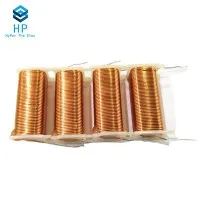


Hey there! I'm a supplier of oscillating coils, and I know firsthand how crucial it is to cut down on manufacturing costs. In today's competitive market, every penny saved can make a big difference in your bottom line. So, let's dive into some practical ways to reduce the manufacturing cost of an oscillating coil.
1. Material Selection
One of the most significant factors affecting the cost of an oscillating coil is the materials used. When choosing materials, it's important to balance quality with cost. Here are some tips:
-
Copper Wire: Copper is the most commonly used material for coil windings due to its excellent electrical conductivity. However, the price of copper can fluctuate. Consider using copper-clad aluminum wire (CCAW) as an alternative. CCAW has a lower density than pure copper, which means less material is needed for the same length of wire, reducing costs. It also offers comparable electrical performance for many applications.
-
Core Materials: The core of an oscillating coil plays a crucial role in its performance. Common core materials include ferrite, iron, and powdered iron. Ferrite cores are popular because they have high magnetic permeability and low losses at high frequencies. However, they can be relatively expensive. Iron cores are more affordable but may have higher losses. Powdered iron cores offer a good compromise between cost and performance. Evaluate your specific requirements and choose the core material that best suits your needs and budget.


-
Insulation Materials: Insulation is essential to prevent short circuits between the coil windings. There are many types of insulation materials available, such as enamel, varnish, and tape. Choose an insulation material that provides adequate protection while keeping costs in check. For example, some thinner enamel coatings can be more cost-effective than thicker ones, as long as they meet the required electrical and mechanical standards.
2. Design Optimization
A well-designed oscillating coil can help reduce manufacturing costs. Here are some design considerations:
- Coil Geometry: The shape and dimensions of the coil can have a significant impact on its cost. For example, a simple cylindrical coil is generally easier and cheaper to manufacture than a complex-shaped coil. Minimize the number of turns in the coil while still achieving the desired electrical performance. This can reduce the amount of wire used and the winding time, resulting in cost savings.
- Winding Technique: The winding method used can also affect the cost. Automated winding machines are more efficient and accurate than manual winding, which can lead to lower labor costs and higher production rates. However, the initial investment in automated equipment can be high. Consider the volume of production and the complexity of the coil design when deciding whether to use automated or manual winding.
- Standardization: Standardizing the design of your oscillating coils can help reduce costs in several ways. It allows you to purchase materials in larger quantities, which can often result in bulk discounts. It also simplifies the manufacturing process, as your workers will be more familiar with the standard designs and can work more efficiently.
3. Manufacturing Process Improvement
Streamlining the manufacturing process can lead to significant cost savings. Here are some ways to improve the process:
- Lean Manufacturing: Implement lean manufacturing principles to eliminate waste and improve efficiency. This involves identifying and eliminating non-value-added activities, such as excessive inventory, overproduction, and unnecessary processing steps. By reducing waste, you can lower costs and improve productivity.
- Quality Control: Implement a rigorous quality control system to ensure that all oscillating coils meet the required standards. This can help prevent costly rework and scrap, which can add up over time. By catching and correcting defects early in the manufacturing process, you can save both time and money.
- Equipment Maintenance: Regular maintenance of your manufacturing equipment is essential to ensure its optimal performance. Well-maintained equipment is less likely to break down, which can lead to costly production delays. It also helps to extend the lifespan of the equipment, reducing the need for frequent replacements.
4. Supplier Management
Establishing strong relationships with your suppliers can help you reduce costs. Here are some tips:
- Negotiation: Negotiate favorable terms with your suppliers, such as volume discounts, extended payment terms, and lower shipping costs. By building a long-term relationship with your suppliers, you can often secure better pricing and other benefits.
- Supplier Selection: Choose suppliers who offer high-quality materials at competitive prices. Look for suppliers who have a good reputation for reliability and customer service. Consider working with multiple suppliers to reduce your dependence on a single source and to ensure a stable supply of materials.
- Supply Chain Optimization: Optimize your supply chain to reduce lead times and inventory costs. This may involve working closely with your suppliers to improve their delivery schedules and to implement just-in-time (JIT) inventory management. By reducing the amount of inventory you hold, you can free up capital and reduce the risk of inventory obsolescence.
5. Energy Efficiency
Reducing energy consumption in the manufacturing process can also help lower costs. Here are some ways to improve energy efficiency:
- Equipment Upgrades: Consider upgrading your manufacturing equipment to more energy-efficient models. Newer equipment often uses less energy and may offer other benefits, such as improved performance and reliability.
- Process Optimization: Optimize your manufacturing processes to reduce energy consumption. For example, you can adjust the operating parameters of your equipment to minimize energy usage without sacrificing quality. You can also implement energy-saving measures, such as turning off equipment when it's not in use and using natural light instead of artificial lighting.
- Renewable Energy Sources: Explore the use of renewable energy sources, such as solar or wind power, to offset your energy consumption. This can not only reduce your energy costs but also help you to reduce your environmental impact.
In conclusion, reducing the manufacturing cost of an oscillating coil requires a comprehensive approach that involves material selection, design optimization, manufacturing process improvement, supplier management, and energy efficiency. By implementing these strategies, you can lower your costs, improve your competitiveness, and increase your profitability.
If you're interested in learning more about our oscillating coils or have any questions about reducing manufacturing costs, feel free to reach out. We're here to help you find the best solutions for your needs.
When it comes to related coil products, you might also be interested in Choke Coil, Antenna Coil, and Resonant Coil. These coils have their own unique applications and features, and they could be a great addition to your product lineup.
If you're in the market for oscillating coils or any of the related products mentioned above, don't hesitate to contact me for a detailed quote and to discuss your specific requirements. I'm confident that we can provide you with high-quality products at competitive prices.
References
- Grover, F. W. (1946). Inductance Calculations: Working Formulas and Tables. Dover Publications.
- Hayt, W. H., & Buck, J. A. (2001). Engineering Electromagnetics. McGraw-Hill.
- Terman, F. E. (1955). Electronic and Radio Engineering. McGraw-Hill.