




Yo, what's up, fellow EV enthusiasts! I'm stoked to share with you all the amazing applications of electric reactors in electric vehicles. As a supplier of electric reactors, I've seen firsthand how these little powerhouses are revolutionizing the EV game. So, let's dive right in and explore the ins and outs of electric reactors in the world of electric vehicles.
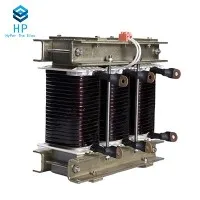
First off, let's talk about what electric reactors are. In simple terms, an electric reactor is a passive electrical component that stores energy in a magnetic field when an electric current flows through it. It's like a little energy bank that can help regulate and control the flow of electricity in a circuit. In the context of electric vehicles, reactors play a crucial role in ensuring the efficient and reliable operation of the vehicle's electrical system.
One of the key applications of electric reactors in electric vehicles is in the charging system. When you plug your EV into a charging station, the reactor helps to manage the flow of electricity from the grid to the vehicle's battery. It acts as a filter, smoothing out any fluctuations in the electrical current and ensuring that the battery is charged safely and efficiently. This is especially important for fast charging stations, where high currents are involved. Without a properly functioning reactor, the charging process could be slow, inefficient, or even dangerous.
Another important application of electric reactors is in the power electronics of the vehicle. Electric vehicles rely on a complex network of power electronics to control the flow of electricity between the battery, the motor, and other components. Reactors are used in these power electronics circuits to help regulate the voltage and current, reducing electromagnetic interference (EMI) and improving the overall performance of the system. For example, in the inverter, which converts the DC power from the battery into AC power for the motor, reactors are used to filter out high-frequency noise and ensure a smooth and stable output.
In addition to their role in charging and power electronics, electric reactors are also used in the traction system of electric vehicles. The traction system is responsible for converting the electrical energy from the battery into mechanical energy to drive the wheels. Reactors are used in this system to help control the current and voltage, improving the efficiency and performance of the motor. They can also help to reduce the torque ripple, which is a common problem in electric motors, resulting in a smoother and more comfortable driving experience.
Now, let's take a closer look at some of the different types of electric reactors used in electric vehicles. One of the most common types is the Parallel Resonant Reactor. This type of reactor is used in parallel with other components in the electrical circuit to create a resonant circuit. It helps to improve the power factor of the system, reducing the amount of reactive power and increasing the efficiency of the electrical system.
Another type of reactor is the Series Resonant Reactor. As the name suggests, this reactor is connected in series with other components in the circuit. It is used to limit the current in the circuit and protect the other components from overcurrent. Series resonant reactors are often used in high-power applications, such as in the charging system of electric vehicles.


Finally, there is the Variable Reactor. This type of reactor allows for the adjustment of the inductance value, which can be useful in applications where the electrical load varies. For example, in an electric vehicle, the power demand can vary depending on the driving conditions, such as acceleration, deceleration, and cruising. A variable reactor can be used to adjust the inductance value to match the changing load, improving the efficiency and performance of the electrical system.
As a supplier of electric reactors, I understand the importance of providing high-quality products that meet the specific needs of the EV industry. That's why we offer a wide range of electric reactors, including parallel resonant reactors, series resonant reactors, and variable reactors. Our reactors are designed to be reliable, efficient, and durable, ensuring that they can withstand the harsh conditions of the automotive environment.
If you're in the market for electric reactors for your electric vehicle, I encourage you to reach out to us. We have a team of experts who can help you choose the right reactor for your specific application. Whether you're a manufacturer, a distributor, or an end-user, we're here to provide you with the best products and services. So, don't hesitate to contact us and let's start a conversation about how we can help you take your electric vehicle to the next level.
In conclusion, electric reactors play a crucial role in the operation of electric vehicles. They are used in the charging system, power electronics, and traction system to ensure the efficient and reliable operation of the vehicle's electrical system. By using high-quality electric reactors, manufacturers can improve the performance, efficiency, and safety of their electric vehicles. If you're interested in learning more about electric reactors or need to purchase them for your EV, don't hesitate to get in touch with us. We're here to help you make the most of your electric vehicle.
References
- "Electric Reactors in Electric Vehicles: A Comprehensive Guide" - Journal of Electric Vehicle Technology
- "The Role of Reactors in Electric Vehicle Charging Systems" - International Journal of Automotive Engineering
- "Power Electronics in Electric Vehicles: Principles and Applications" - IEEE Transactions on Power Electronics