



As a seasoned supplier of choke coils, I've had countless discussions with clients about the rated current of these essential components. In this blog post, I'll delve into what the rated current of a choke coil is, why it's crucial, and how it impacts the performance of electrical circuits.
Understanding the Basics of Choke Coils
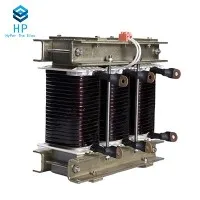
Before we dive into the rated current, let's briefly understand what a choke coil is. A choke coil is an inductor designed to block high - frequency alternating current (AC) while allowing direct current (DC) or low - frequency AC to pass through. It consists of a coil of wire wound around a core, which can be made of air, ferrite, or iron. Choke coils are used in a wide range of applications, from power supplies and audio equipment to radio frequency (RF) circuits. You can learn more about choke coils on our website Choke Coil.
What is the Rated Current of a Choke Coil?
The rated current of a choke coil is the maximum current that the coil can carry continuously without exceeding its specified temperature rise or causing damage to the coil. It is typically measured in amperes (A). When a current flows through a choke coil, it generates heat due to the resistance of the wire. If the current exceeds the rated value, the temperature of the coil will rise significantly, which can lead to several problems.
Temperature Rise and Its Consequences
Excessive temperature rise can cause the insulation of the wire to degrade, reducing its lifespan and potentially leading to short - circuits. It can also affect the magnetic properties of the core material, altering the inductance of the coil and degrading the performance of the circuit. Therefore, it is essential to select a choke coil with a rated current that is appropriate for the application.
Factors Affecting the Rated Current
Several factors influence the rated current of a choke coil:
Wire Gauge
The thickness of the wire used in the coil, known as the wire gauge, plays a significant role in determining the rated current. Thicker wires have lower resistance, which means they can carry more current without generating excessive heat. For example, a choke coil with a larger wire gauge will generally have a higher rated current than one with a smaller wire gauge.
Core Material
The core material of the choke coil also affects its rated current. Different core materials have different magnetic properties and saturation levels. For instance, ferrite cores are commonly used in high - frequency applications because they have low losses at high frequencies. However, they have a lower saturation current compared to iron cores. Iron cores can handle higher currents but may have higher losses at high frequencies.
Coil Design
The design of the coil, including the number of turns and the winding pattern, can impact the rated current. A coil with more turns will have a higher inductance but may also have a higher resistance, which can limit the current - carrying capacity. The winding pattern can also affect the distribution of the magnetic field and the heat dissipation of the coil.


Importance of Selecting the Right Rated Current
Selecting the right rated current for a choke coil is crucial for the proper functioning and reliability of the electrical circuit. If the rated current is too low, the coil may overheat and fail, leading to system downtime and potential damage to other components. On the other hand, if the rated current is too high, the coil may be larger and more expensive than necessary, which can increase the cost of the system.
Application - Specific Considerations
In power supply applications, for example, the rated current of the choke coil must be sufficient to handle the maximum current drawn by the load. In RF circuits, the choke coil's rated current should be compatible with the RF power levels and the impedance of the circuit. It is also important to consider the operating environment, such as temperature and humidity, as these factors can affect the performance of the choke coil.
Related Coils in the Market
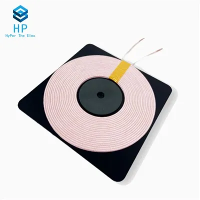
There are other types of coils that are related to choke coils and are used in similar applications. One such type is the Antenna Coil. Antenna coils are used in radio and communication systems to receive and transmit electromagnetic signals. They are designed to have specific inductance values and impedance matching characteristics to optimize the performance of the antenna.
Another related type is the Trap Coil. Trap coils are used to block specific frequencies in a circuit. They are often used in RF filters to prevent unwanted frequencies from interfering with the desired signal.
How to Determine the Rated Current for Your Application
To determine the rated current of a choke coil for your specific application, you need to consider the following steps:
- Calculate the Maximum Current: Determine the maximum current that will flow through the choke coil in your circuit. This may involve analyzing the load requirements, the power supply characteristics, and any transient or peak currents that may occur.
- Consider the Operating Conditions: Take into account the operating temperature, humidity, and other environmental factors that may affect the performance of the choke coil. Higher temperatures can reduce the current - carrying capacity of the coil, so you may need to derate the rated current accordingly.
- Select the Appropriate Coil: Based on your calculations and considerations, select a choke coil with a rated current that is equal to or greater than the maximum current in your circuit. It is also important to consider other factors such as the inductance value, the DC resistance, and the size of the coil.
Conclusion
The rated current of a choke coil is a critical parameter that determines its performance and reliability in an electrical circuit. As a choke coil supplier, we understand the importance of providing high - quality choke coils with accurate rated current specifications. Whether you are designing a power supply, an RF circuit, or any other application that requires the use of choke coils, it is essential to select the right coil with the appropriate rated current.
If you are in the market for choke coils or have any questions about their rated current or other specifications, we invite you to contact us for a detailed discussion. Our team of experts is ready to assist you in selecting the best choke coils for your specific needs.
References
- "Electric Circuits" by James W. Nilsson and Susan A. Riedel
- "RF Circuit Design" by Chris Bowick
- Manufacturer's datasheets for choke coils and related components