


As a supplier of Filter Inductors, I've encountered numerous inquiries regarding the safety precautions when using these essential components. Filter inductors play a crucial role in various electrical and electronic systems, providing filtering and energy storage functions. However, to ensure their optimal performance and prevent potential hazards, it's essential to follow specific safety guidelines.


Understanding Filter Inductors
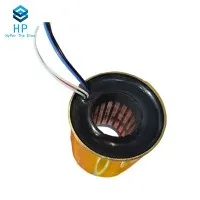
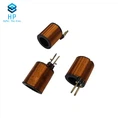
Before delving into safety precautions, let's briefly understand what filter inductors are. A Filter Inductor is a passive electronic component that stores energy in a magnetic field when an electric current flows through it. They are commonly used in power supplies, audio equipment, and communication systems to filter out unwanted frequencies and reduce electromagnetic interference (EMI).
Safety Precautions During Installation
- Proper Mounting: Ensure that the filter inductor is mounted securely on a stable surface. Loose mounting can lead to vibrations, which may cause mechanical stress on the inductor and its connections. This can result in poor electrical contact, overheating, and even component failure.
- Adequate Ventilation: Filter inductors generate heat during operation. Therefore, it's crucial to provide sufficient ventilation to dissipate this heat. Install the inductor in an area with good air circulation and avoid enclosing it in a tight space. Overheating can reduce the inductor's lifespan and may pose a fire hazard.
- Correct Polarity: Some filter inductors are polarized, meaning they have a specific direction of current flow. Make sure to connect the inductor with the correct polarity as indicated in the datasheet. Incorrect polarity can lead to abnormal operation and damage to the inductor.
Electrical Safety Precautions
- Voltage and Current Ratings: Always use the filter inductor within its specified voltage and current ratings. Exceeding these ratings can cause the inductor to overheat, saturate, or even fail catastrophically. Refer to the datasheet for the exact ratings and ensure that the operating conditions of your system are within these limits.
- Insulation Resistance: Check the insulation resistance of the filter inductor before installation. A low insulation resistance can indicate a potential short circuit or leakage current, which can be dangerous. Use a megohmmeter to measure the insulation resistance and ensure that it meets the manufacturer's specifications.
- Electrical Isolation: Provide adequate electrical isolation between the filter inductor and other components in the system. This can prevent electrical shock and reduce the risk of short circuits. Use insulating materials such as epoxy coatings or insulating sleeves to isolate the inductor from conductive surfaces.
Handling and Storage Precautions
- Static Electricity: Filter inductors are sensitive to static electricity. When handling the inductor, use anti-static gloves and work on an anti-static mat. Avoid touching the leads or terminals with bare hands, as this can transfer static charges and damage the inductor.
- Humidity and Temperature: Store the filter inductors in a dry and cool environment. High humidity can cause corrosion of the inductor's leads and terminals, while extreme temperatures can affect its performance. Keep the inductors in a sealed container or a humidity-controlled storage area to protect them from environmental factors.
- Mechanical Damage: Avoid dropping or subjecting the filter inductor to mechanical shocks. Mechanical damage can cause the winding to break, the core to crack, or the insulation to be damaged. Handle the inductors with care and use proper packaging during transportation to prevent damage.
Specific Types of Filter Inductors
- BUCK Inductor: BUCK Inductors are commonly used in step-down power converters. When using a BUCK inductor, pay special attention to the current ripple and saturation characteristics. Excessive current ripple can cause the inductor to overheat, while saturation can lead to a significant increase in the inductor's resistance and a decrease in its efficiency.
- Toroidal Inductors: Toroidal Inductors offer high inductance values and low electromagnetic interference. However, they are more sensitive to mechanical stress due to their circular shape. When installing a toroidal inductor, make sure to use a proper mounting bracket to prevent any bending or twisting of the core.
Regular Inspection and Maintenance
- Visual Inspection: Periodically inspect the filter inductor for any signs of damage, such as cracks, burns, or loose connections. If any damage is detected, replace the inductor immediately to prevent further problems.
- Performance Testing: Conduct regular performance tests on the filter inductor to ensure that it is operating within the specified parameters. This can include measuring the inductance, resistance, and current handling capacity. Use appropriate test equipment and follow the manufacturer's instructions for testing.
Conclusion
In conclusion, using a filter inductor safely requires careful attention to installation, electrical, handling, and storage precautions. By following these guidelines, you can ensure the optimal performance and longevity of the inductor while minimizing the risk of hazards. As a supplier of Filter Inductors, we are committed to providing high-quality products and technical support to our customers. If you have any questions or need further information about filter inductors or their safety precautions, please feel free to contact us for a procurement discussion.
References
- Electrical Engineering Handbook, Third Edition, edited by Richard C. Dorf
- Power Electronics: Converters, Applications, and Design, Third Edition, by Ned Mohan, Tore M. Undeland, and William P. Robbins
- Handbook of Inductors and Transformers for Power Electronics, by Marian K. Kazimierczuk