


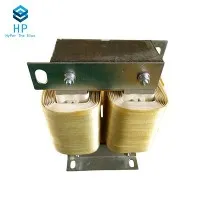

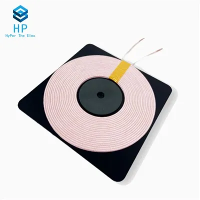

As a supplier of trap coils, I've often been asked whether these coils can be used in motor control circuits. This question isn't just a technical curiosity; it strikes at the heart of how we can optimize the performance and safety of motor - driven systems. In this blog, I'll explore the feasibility, benefits, and considerations of using trap coils in motor control circuits.
Understanding Trap Coils
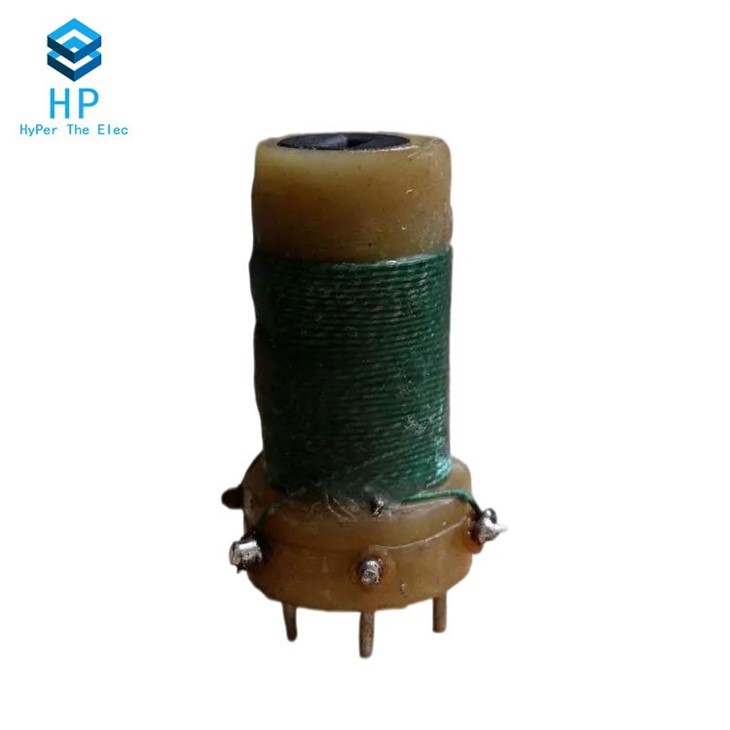
Before delving into their application in motor control circuits, let's first understand what trap coils are. Trap coils are designed to block or trap specific frequencies while allowing others to pass through. They work on the principle of inductance, which is the property of an electrical conductor by which a change in current flowing through it induces an electromotive force in both the conductor itself and in any nearby conductors.
Trap coils are commonly used in radio frequency (RF) circuits to prevent unwanted frequencies from interfering with the desired signal. They can be tuned to a particular frequency or a range of frequencies, acting as a filter. For example, in an RF receiver, a trap coil can be used to block out strong interfering signals while allowing the desired radio station's frequency to pass through.
Motor Control Circuits: An Overview
Motor control circuits are responsible for starting, stopping, and regulating the speed of electric motors. These circuits can be simple, such as a basic on - off switch for a small DC motor, or complex, involving multiple sensors, relays, and controllers for large industrial motors.
The main components of a motor control circuit typically include a power source, a switch or contactor to control the flow of electricity to the motor, and often a speed control device. The circuit must also protect the motor from over - current, over - voltage, and other electrical faults.

Feasibility of Using Trap Coils in Motor Control Circuits
Now, let's consider whether trap coils can be used in motor control circuits. The answer is yes, but with certain conditions.
In modern motor control systems, there are often issues related to electromagnetic interference (EMI). EMI can be caused by a variety of factors, such as the switching action of relays and contactors, the operation of variable frequency drives (VFDs), and the presence of other electrical equipment in the vicinity. This interference can disrupt the normal operation of the motor control circuit, leading to erratic motor behavior, false triggering of sensors, and even damage to sensitive electronic components.
Trap coils can be used to mitigate EMI in motor control circuits. By blocking specific frequencies associated with the interference, the trap coil can help to clean up the electrical signal in the circuit. For example, if a VFD generates high - frequency noise that is interfering with the operation of a motor control sensor, a trap coil tuned to the frequency of that noise can be installed in the circuit to block it.
Benefits of Using Trap Coils in Motor Control Circuits
- Improved EMI Suppression: As mentioned earlier, trap coils can effectively reduce electromagnetic interference in motor control circuits. This leads to more stable motor operation, fewer false alarms from sensors, and increased reliability of the entire system.
- Enhanced Motor Performance: By reducing EMI, trap coils can help to maintain a clean electrical supply to the motor. This can result in smoother motor operation, reduced vibration, and improved efficiency. In some cases, it can also extend the lifespan of the motor by reducing the stress caused by electrical interference.
- Compliance with Standards: Many industries have strict electromagnetic compatibility (EMC) standards that motor control systems must meet. Using trap coils can help to ensure that the motor control circuit complies with these standards, avoiding potential legal and regulatory issues.
Considerations When Using Trap Coils in Motor Control Circuits
While there are benefits to using trap coils in motor control circuits, there are also some important considerations.
- Frequency Selection: Selecting the right frequency for the trap coil is crucial. The coil must be tuned to the specific frequency or frequencies of the EMI that needs to be blocked. This requires a thorough understanding of the electrical environment in which the motor control circuit operates. For example, if the interference is coming from a nearby radio transmitter, the trap coil must be tuned to the frequency of that transmitter.
- Inductance and Impedance: The inductance and impedance of the trap coil must be carefully matched to the motor control circuit. If the inductance is too high, it can cause a significant voltage drop across the coil, reducing the power available to the motor. On the other hand, if the inductance is too low, the coil may not be effective in blocking the unwanted frequencies.
- Physical Space and Installation: Trap coils can take up physical space in the motor control panel. It's important to ensure that there is enough room to install the coil and that it can be properly integrated into the existing circuit. Additionally, the coil must be installed in the correct location in the circuit to be effective.
Comparison with Other Coils
There are other types of coils that are also used in electrical circuits, such as Resonant Coil, Oscillating Coil, and Antenna Coil. While these coils have their own unique functions, they are different from trap coils in terms of their application in motor control circuits.
Resonant coils are designed to resonate at a specific frequency and are often used in RF circuits for tuning and filtering. Oscillating coils are used to generate oscillating electrical signals, typically in electronic oscillators. Antenna coils are used to receive or transmit electromagnetic waves in radio and communication systems. In contrast, trap coils are specifically designed to block unwanted frequencies, making them more suitable for EMI suppression in motor control circuits.
Conclusion
In conclusion, trap coils can be a valuable addition to motor control circuits, especially when dealing with electromagnetic interference. They offer several benefits, including improved EMI suppression, enhanced motor performance, and compliance with industry standards. However, careful consideration must be given to frequency selection, inductance and impedance matching, and physical installation.
As a trap coil supplier, I have the expertise and experience to help you select the right trap coil for your motor control circuit. Whether you are dealing with a small residential motor or a large industrial motor control system, I can provide you with high - quality trap coils that are tailored to your specific needs.
If you are interested in learning more about how trap coils can improve your motor control circuit or would like to discuss a potential purchase, please feel free to reach out. I am always ready to assist you in finding the best solution for your application.
References
- "Electric Motor Handbook" by Arnold Tustin
- "Electromagnetic Compatibility Engineering" by Henry W. Ott