


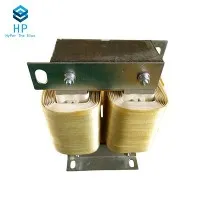

Can a Variable Reactor be used in high - voltage systems?
Hey there! I'm a supplier of variable reactors, and I often get asked if these nifty devices can be used in high - voltage systems. Well, let's dive right in and explore this topic.
First off, what the heck is a variable reactor? In simple terms, a variable reactor is a device that can adjust its reactance. Reactance is a bit like resistance but for alternating current (AC) circuits. It can either be inductive or capacitive. A variable reactor allows us to fine - tune this reactance according to the needs of the electrical system.
Now, high - voltage systems are a whole different ballgame. These systems typically operate at voltages above 1 kV and are used in a variety of applications, such as power transmission and distribution. The requirements for components in high - voltage systems are pretty strict. They need to be reliable, efficient, and able to withstand high electrical stresses.
So, can a variable reactor meet these requirements? The answer is a resounding yes! There are several reasons why variable reactors can be a great fit for high - voltage systems.
One of the main advantages of using a variable reactor in a high - voltage system is its ability to control reactive power. Reactive power is the power that sloshes back and forth between the source and the load in an AC circuit. It doesn't do any real work but can cause problems like voltage drops and increased losses in the system. By adjusting the reactance of the variable reactor, we can compensate for the reactive power and keep the system running smoothly.
For example, in a power transmission line, the impedance of the line can cause voltage fluctuations. A variable reactor can be used to adjust the reactive power flow and maintain a stable voltage along the line. This not only improves the power quality but also reduces the risk of equipment damage due to over - or under - voltage conditions.
Another benefit is the flexibility it offers. High - voltage systems often have changing loads and operating conditions. A variable reactor can adapt to these changes quickly. Unlike fixed reactors, which have a constant reactance, a variable reactor can be adjusted on the fly. This means that it can be optimized for different scenarios, such as peak demand periods or low - load situations.
There are different types of variable reactors that can be used in high - voltage systems. One type is the Saturated Reactor. A saturated reactor uses a magnetic core that can be saturated by a DC current. By controlling the DC current, we can change the magnetic properties of the core and thus adjust the reactance of the reactor. This type of reactor is known for its fast response time and can be used for applications where rapid changes in reactive power are required.
The Series Resonant Reactor is another option. It is often used in series with a capacitor to form a resonant circuit. By adjusting the reactance of the series resonant reactor, we can tune the resonant frequency of the circuit. This can be useful for filtering out specific frequencies or for improving the power factor of the system.
The Output Reactor is also commonly used in high - voltage systems. It is typically installed at the output of a power converter or an inverter. The output reactor helps to smooth out the current waveform and reduce the harmonic content. This is important in high - voltage systems because harmonics can cause overheating, interference, and other problems.
Of course, using a variable reactor in a high - voltage system also comes with some challenges. One of the main challenges is insulation. High - voltage systems require excellent insulation to prevent electrical breakdown. The variable reactor needs to be designed with proper insulation materials and techniques to ensure its safety and reliability.
Another challenge is the control system. To adjust the reactance of the variable reactor accurately, a sophisticated control system is needed. This control system should be able to monitor the system parameters, such as voltage, current, and power factor, and make the necessary adjustments to the reactor.
Despite these challenges, the benefits of using a variable reactor in high - voltage systems far outweigh the drawbacks. With the right design and engineering, variable reactors can provide a cost - effective and efficient solution for high - voltage applications.


In conclusion, variable reactors are definitely a viable option for high - voltage systems. They offer the ability to control reactive power, provide flexibility, and improve the overall performance of the system. Whether it's for power transmission, distribution, or industrial applications, variable reactors can play a crucial role in ensuring the stability and efficiency of high - voltage systems.
If you're in the market for a variable reactor for your high - voltage system, I'd love to chat with you. I can provide you with more information about our products, their features, and how they can meet your specific needs. Feel free to reach out and let's start a conversation about how we can work together to make your high - voltage system even better.
References
- Electrical Power Systems Engineering textbooks
- Industry research papers on high - voltage systems and variable reactors