


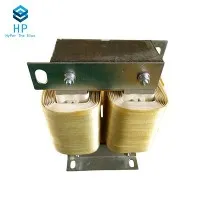

Hey there! As a supplier of solenoid coils, I've been getting a lot of questions lately about how the presence of a magnetic shield affects a solenoid coil. So, I thought I'd take a moment to share my thoughts and insights on this topic.
First off, let's talk about what a solenoid coil is. A solenoid coil is basically a coil of wire that's wound around a core. When an electric current passes through the coil, it creates a magnetic field. This magnetic field can be used for a variety of purposes, such as moving a plunger or controlling a valve.
Now, let's talk about magnetic shields. A magnetic shield is a material that's designed to block or redirect magnetic fields. There are different types of magnetic shields, but they all work by either absorbing or deflecting the magnetic field.
So, how does the presence of a magnetic shield affect a solenoid coil? Well, it depends on a few factors.
1. Shielding Effectiveness
The effectiveness of the magnetic shield plays a huge role. If the shield is highly effective, it can significantly reduce the magnetic field outside the solenoid. This is great if you're worried about the magnetic field interfering with other components in your device. For example, in a sensitive electronic device, a strong magnetic field from a solenoid could cause interference with other circuits. A good magnetic shield can prevent this.
On the other hand, if the shield is not very effective, it might not have much of an impact on the magnetic field. The magnetic field might still leak out and cause problems.
2. Distance between the Shield and the Coil
The distance between the magnetic shield and the solenoid coil also matters. If the shield is placed very close to the coil, it can have a more significant effect on the magnetic field. However, if there's a large gap between the shield and the coil, the shield might not be as effective.
3. Type of Solenoid Coil
Different types of solenoid coils can be affected differently by a magnetic shield. For example, a Hollow Coil might respond differently to a magnetic shield compared to a Trap Coil or an Encapsulated Coil.
Let's take a closer look at some of the possible effects:
Positive Effects
- Reduced Interference: As I mentioned earlier, a magnetic shield can reduce the magnetic field outside the solenoid. This means that it can prevent the solenoid's magnetic field from interfering with other components in your device. This is especially important in applications where there are a lot of sensitive electronic components.
- Improved Efficiency: In some cases, a magnetic shield can help to focus the magnetic field within the solenoid. This can lead to improved efficiency, as more of the magnetic field is used to perform the desired function (like moving a plunger).
Negative Effects
- Reduced Magnetic Field Strength: If the magnetic shield is too effective, it might reduce the magnetic field strength inside the solenoid. This can lead to a decrease in the solenoid's performance. For example, if the solenoid is used to move a plunger, a weaker magnetic field might not be able to move the plunger as effectively.
- Increased Heat Generation: A magnetic shield can sometimes cause an increase in heat generation within the solenoid. This is because the shield can cause the magnetic field to be distorted, which can lead to eddy currents. Eddy currents can generate heat, which can be a problem if the solenoid is already operating at a high temperature.
So, as you can see, the presence of a magnetic shield can have both positive and negative effects on a solenoid coil. It's important to carefully consider these effects when designing a device that uses a solenoid coil.
If you're in the market for solenoid coils, we're here to help. We offer a wide range of solenoid coils, including Hollow Coil, Trap Coil, and Encapsulated Coil. Our coils are designed to meet the highest standards of quality and performance.
If you have any questions or would like to discuss your specific requirements, don't hesitate to reach out. We're always happy to help you find the right solenoid coil for your application.


References
- "Electromagnetism: Principles and Applications" by Paul Tipler
- "Magnetic Shielding Techniques" by John Smith