


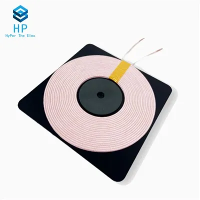
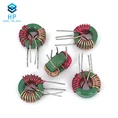

As a supplier of DC Solenoid Coils, ensuring proper electrical insulation is of utmost importance. Electrical insulation not only protects the coil from short - circuits and electrical failures but also enhances its overall performance and lifespan. In this blog, I'll share some key strategies and considerations for ensuring the proper electrical insulation of a DC solenoid coil.
Understanding the Basics of DC Solenoid Coils
Before delving into insulation techniques, it's essential to understand what a DC solenoid coil is. A DC solenoid coil is an electromagnetic device that converts electrical energy into mechanical energy. When a direct current (DC) passes through the coil, it generates a magnetic field, which in turn can move a plunger or other mechanical components. This simple yet powerful mechanism is widely used in various applications, such as Solenoid Valve Coil systems, automotive starters, and industrial automation equipment.
Selecting the Right Insulating Materials
The first step in ensuring proper electrical insulation is choosing the appropriate insulating materials. The choice of material depends on several factors, including the operating temperature, voltage, and environmental conditions of the coil.
Enameled Wire
Most DC solenoid coils are wound with enameled wire. The enamel coating acts as an insulator between the individual turns of the wire. There are different types of enamel coatings available, each with its own set of properties. For example, polyester enamel is commonly used due to its good mechanical and electrical properties, as well as its relatively low cost. However, for high - temperature applications, polyimide enamel may be a better choice, as it can withstand temperatures up to 220°C or even higher.
Insulating Tapes and Films
In addition to the enamel on the wire, insulating tapes and films can be used to provide an extra layer of protection. Polyester films, for instance, are often used to wrap the coil to prevent moisture and contaminants from reaching the wire. These films have good dielectric strength and are resistant to chemicals and abrasion. Another option is mica tape, which is highly heat - resistant and is suitable for coils operating in high - temperature environments.
Potting Compounds
Potting compounds are used to encapsulate the entire coil. They fill the voids between the turns of the wire and provide mechanical support as well as electrical insulation. Epoxy potting compounds are popular due to their excellent adhesion, chemical resistance, and high dielectric strength. Silicone potting compounds, on the other hand, are more flexible and can withstand vibration and thermal cycling better.
Winding Techniques for Improved Insulation
The way the coil is wound also plays a crucial role in ensuring proper electrical insulation.
Layer Winding
Layer winding is a common technique where the wire is wound in layers on a bobbin. This method helps to keep the turns of the wire organized and reduces the risk of short - circuits between adjacent layers. To further enhance insulation, a layer of insulating tape can be placed between each layer of wire.
Precision Winding
Precision winding ensures that the wire is wound evenly and tightly. Loose or uneven winding can lead to gaps between the turns of the wire, which can reduce the insulation resistance. Using a precision winding machine can help achieve consistent and high - quality winding.
Testing and Quality Control
Once the coil is wound and insulated, it's essential to perform thorough testing to ensure that the insulation is intact.
Insulation Resistance Testing
Insulation resistance testing measures the resistance between the coil's winding and the ground or between different windings. A high insulation resistance value indicates good insulation. This test can be performed using a megohmmeter, which applies a high - voltage DC signal to the coil and measures the resulting current.
Dielectric Withstand Testing
Dielectric withstand testing, also known as hipot testing, involves applying a high voltage to the coil for a specified period. If the insulation is good, the coil should be able to withstand this voltage without breaking down. This test helps to identify any weak spots in the insulation that may not be detected by insulation resistance testing.


Environmental Considerations
The environment in which the DC solenoid coil operates can have a significant impact on its insulation.
Temperature and Humidity
High temperatures can degrade the insulation materials over time, reducing their effectiveness. Similarly, high humidity can cause moisture to penetrate the insulation, leading to a decrease in insulation resistance. To mitigate these effects, coils can be designed with appropriate ventilation or heat - dissipation mechanisms. In humid environments, moisture - resistant insulating materials and proper sealing can be used.
Chemical Exposure
Coils may be exposed to various chemicals in industrial or automotive applications. These chemicals can corrode the insulation materials and damage the coil. Therefore, it's important to select insulating materials that are resistant to the specific chemicals present in the operating environment.
Comparison with AC Solenoid Coils
It's worth noting that while many of the insulation principles apply to both DC and AC Solenoid Coil, there are some differences. AC solenoid coils are subject to alternating current, which can cause additional electrical stresses due to factors such as capacitive coupling and skin effect. As a result, the insulation design for AC coils may need to take these factors into account, and different insulating materials or winding techniques may be required.
Conclusion
Ensuring proper electrical insulation of a DC solenoid coil is a multi - faceted process that involves selecting the right materials, using appropriate winding techniques, conducting thorough testing, and considering the environmental conditions. By following these guidelines, we can produce high - quality DC solenoid coils that are reliable and have a long service life.
If you're in the market for DC Solenoid Coil and are looking for a supplier who understands the importance of electrical insulation, we'd love to have a discussion with you. Our team of experts can help you select the right coil for your specific application and ensure that it meets the highest standards of quality and performance. Feel free to reach out to us to start a procurement discussion.
References
- Grover, F. W. (1946). Inductance Calculations: Working Formulas and Tables. Dover Publications.
- Bogart, R. S. (1991). Magnetic Circuits and Transformers. John Wiley & Sons.
- Electric Power Research Institute. (2008). Electrical Insulation for Rotating Machines: Design, Evaluation, Aging, Testing, and Repair. IEEE Press.