


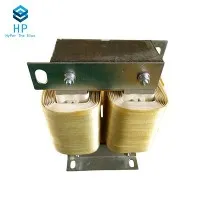

Antenna coils are fundamental components in a wide range of electronic devices, from radio receivers to wireless communication systems. As an antenna coil supplier, I understand the importance of optimizing the design of these coils to enhance their performance and meet the ever - evolving demands of the market. In this blog post, I will share some key strategies and considerations for optimizing the design of an antenna coil.
Understanding the Basics of Antenna Coils
Before delving into the optimization process, it's crucial to have a solid understanding of what an antenna coil is and how it works. An Antenna Coil is essentially an inductor that plays a vital role in the reception and transmission of electromagnetic waves. It stores energy in a magnetic field when an electric current passes through it.
The performance of an antenna coil is determined by several factors, including its inductance, resistance, and quality factor (Q - factor). Inductance is a measure of the coil's ability to store energy in a magnetic field, and it is influenced by the number of turns, the cross - sectional area, and the length of the coil. Resistance, on the other hand, is related to the material and the dimensions of the wire used in the coil. The Q - factor is a measure of the coil's efficiency, and a higher Q - factor indicates less energy loss.
Selecting the Right Materials
The choice of materials is one of the most critical aspects of antenna coil design. The wire used in the coil should have low resistance to minimize energy loss. Copper is a popular choice due to its excellent electrical conductivity. However, other materials such as silver - plated copper can offer even lower resistance, especially in high - frequency applications.
The core material of the coil also has a significant impact on its performance. Air - core coils are often used in high - frequency applications because they have a low magnetic permeability, which results in a more stable inductance over a wide range of frequencies. Ferrite cores, on the other hand, can increase the inductance of the coil and are commonly used in low - frequency applications.
Optimizing the Coil Geometry
The geometry of the antenna coil, including the number of turns, the diameter, and the pitch, can greatly affect its performance. The number of turns is directly proportional to the inductance of the coil. However, increasing the number of turns also increases the resistance and the capacitance between the turns, which can reduce the Q - factor. Therefore, it's important to find the optimal number of turns that balances the inductance and the Q - factor.
The diameter of the coil also plays a role in its performance. A larger diameter coil generally has a higher inductance and a lower resistance, but it may also be more susceptible to external magnetic fields. The pitch, or the distance between adjacent turns, affects the capacitance between the turns. A smaller pitch increases the capacitance, which can lower the resonant frequency of the coil.
Considering the Operating Frequency
The operating frequency of the antenna coil is a crucial factor in its design. Different frequencies require different coil designs to achieve optimal performance. For low - frequency applications, coils with a larger number of turns and a ferrite core are often used to increase the inductance. In high - frequency applications, air - core coils with a smaller number of turns are preferred to reduce the capacitance and increase the Q - factor.
When designing an antenna coil for a specific frequency range, it's important to consider the resonant frequency of the coil. The resonant frequency is the frequency at which the inductive reactance and the capacitive reactance of the coil are equal, resulting in a maximum current flow. By adjusting the inductance and the capacitance of the coil, the resonant frequency can be tuned to the desired operating frequency.
Minimizing Interference
Interference is a common problem in antenna coil design, especially in environments with a high density of electronic devices. Electromagnetic interference (EMI) can cause noise and distortion in the received or transmitted signals. To minimize interference, it's important to shield the antenna coil. Shielding can be achieved by using a conductive material, such as copper or aluminum, to surround the coil.
Another way to reduce interference is to optimize the layout of the coil. Placing the coil away from other sources of electromagnetic radiation, such as power lines and other electronic components, can help reduce the amount of interference. Additionally, using twisted pairs of wires in the coil can cancel out some of the electromagnetic interference.


Testing and Validation
Once the antenna coil has been designed, it's essential to test and validate its performance. Testing can be done using specialized equipment, such as network analyzers and spectrum analyzers. These tools can measure the inductance, resistance, Q - factor, and resonant frequency of the coil, as well as its frequency response.
By comparing the test results with the design specifications, any issues or areas for improvement can be identified. Iterative design changes can then be made to optimize the performance of the coil. It's also important to test the coil in a real - world environment to ensure that it meets the requirements of the application.
The Role of Oscillating and Resonant Coils
Oscillating Coil and Resonant Coil are closely related to antenna coils and play important roles in their operation. Oscillating coils are used to generate oscillating electrical signals, which are essential for the operation of radio transmitters and receivers. Resonant coils, on the other hand, are designed to resonate at a specific frequency, which can enhance the performance of the antenna coil by increasing the signal strength at the resonant frequency.
When designing an antenna coil, it's important to consider the interaction between the antenna coil and the oscillating or resonant coils. By optimizing the coupling between these coils, the overall performance of the antenna system can be improved.
Conclusion
Optimizing the design of an antenna coil requires a comprehensive understanding of the coil's operating principles, the choice of materials, the coil geometry, the operating frequency, and the potential sources of interference. By carefully considering these factors and conducting thorough testing and validation, it's possible to design antenna coils that offer high performance, reliability, and efficiency.
As an antenna coil supplier, I am committed to providing high - quality antenna coils that meet the diverse needs of our customers. Whether you are working on a radio receiver, a wireless communication system, or any other electronic device that requires an antenna coil, I invite you to contact me for a detailed discussion about your specific requirements. We can work together to optimize the design of the antenna coil and ensure that it meets your performance expectations.
References
- "Antenna Theory: Analysis and Design" by Constantine A. Balanis
- "The Art of Electronics" by Paul Horowitz and Winfield Hill
- "RF Circuit Design" by Chris Bowick