


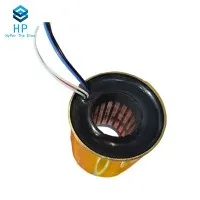
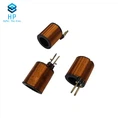
In the realm of electromagnetic components, hollow coils play a crucial role in a wide range of applications, from consumer electronics to industrial machinery. As a dedicated hollow coil supplier, I understand the importance of optimizing the design and performance of these coils. One key aspect that often comes under scrutiny is the weight of the hollow coil. Reducing the weight of a hollow coil can bring numerous benefits, including cost savings, improved portability, and enhanced energy efficiency. In this blog post, I will delve into some effective strategies for reducing the weight of a hollow coil, based on my years of experience in the industry.
Material Selection
The choice of materials is fundamental when it comes to reducing the weight of a hollow coil. Copper is the most commonly used conductor in coil winding due to its excellent electrical conductivity. However, copper is relatively heavy. One alternative is to use aluminum, which has a lower density than copper. Aluminum conductors can significantly reduce the weight of the coil without sacrificing too much in terms of electrical performance. Although aluminum has a slightly higher resistivity than copper, this can be compensated for by increasing the cross - sectional area of the conductor.
Another consideration is the core material. In a hollow coil, there is no traditional solid core, but the support structure or any additional components within the coil can contribute to its weight. Using lightweight materials such as plastics or composites for the support structure can help in reducing the overall weight. For example, fiberglass - reinforced plastics offer high strength - to - weight ratios, making them suitable for coil support.
Coil Design Optimization
The design of the coil itself has a significant impact on its weight. One approach is to optimize the winding pattern. By using a more efficient winding method, such as a multi - layer winding with appropriate spacing, the same electrical performance can be achieved with less material. For instance, a closely wound coil may require more turns of wire, increasing the weight. In contrast, a well - spaced multi - layer winding can reduce the amount of wire needed while maintaining the desired inductance.
The shape of the coil also matters. A circular coil is often the most common shape, but depending on the application, other shapes such as rectangular or oval coils may be more suitable. These non - circular shapes can sometimes allow for a more compact design, which in turn can reduce the amount of material used and thus the weight.
Minimizing Insulation Thickness
Insulation is essential for the proper functioning of a hollow coil, as it prevents short - circuits between the turns of the wire. However, thick insulation can add a significant amount of weight. By carefully selecting the insulation material and reducing its thickness, the weight of the coil can be reduced. There are high - performance insulation materials available that offer excellent electrical insulation properties at a relatively thin thickness. For example, some modern polymer - based insulation materials can provide sufficient insulation with a thinner layer compared to traditional materials like enamel.
Heat Dissipation Considerations
Heat dissipation is an important factor in coil design. If a coil overheats, it can lead to performance degradation and even damage. However, heavy heat - sink components are often used to manage heat, which can add to the overall weight. By improving the thermal conductivity of the coil materials and the surrounding environment, the need for large and heavy heat - sinks can be reduced. For example, using materials with high thermal conductivity for the coil support or encapsulation can help in dissipating heat more efficiently.
Encapsulation and Protection
Encapsulation is used to protect the coil from environmental factors such as moisture, dust, and mechanical damage. While it is necessary, the encapsulation material can contribute to the weight. When choosing an encapsulation material, opt for lightweight options. The Encapsulated Coil page on our website provides more information on different encapsulation solutions. A thin layer of a lightweight epoxy or silicone can offer adequate protection without adding excessive weight.
Application - Specific Customization
Each application has its own unique requirements, and customizing the coil design accordingly can lead to weight reduction. For example, in a portable device, the weight reduction is of utmost importance. In such cases, the coil can be designed to be as compact and lightweight as possible while still meeting the electrical and mechanical requirements. On the other hand, in an industrial application where durability is more critical, the design may need to balance weight reduction with other factors such as strength and reliability.
Testing and Validation
Once the design changes have been made to reduce the weight of the hollow coil, it is crucial to test and validate the performance. This includes measuring the electrical parameters such as inductance, resistance, and quality factor, as well as conducting mechanical tests to ensure the coil can withstand the expected operating conditions. Any discrepancies in performance can be addressed by making further adjustments to the design or material selection.
Conclusion
Reducing the weight of a hollow coil is a multi - faceted process that involves careful consideration of material selection, design optimization, insulation, heat dissipation, encapsulation, and application - specific requirements. As a Hollow Coil supplier, I am committed to providing high - quality coils that are not only lightweight but also meet the diverse needs of our customers. Whether you are in the consumer electronics, automotive, or industrial sector, our team of experts can work with you to develop customized solutions that optimize the weight and performance of your coils.
If you are interested in our hollow coils or would like to discuss how we can help you reduce the weight of your coil designs, please feel free to reach out. We are eager to engage in procurement discussions and provide you with the best possible solutions for your electromagnetic component needs.


References
- Grover, F. W. (1946). Inductance Calculations: Working Formulas and Tables. Dover Publications.
- Hayt, W. H., & Buck, J. A. (2001). Engineering Electromagnetics. McGraw - Hill.
- Chen, W. K. (Ed.). (1987). The Electrical Engineering Handbook. CRC Press.