



In the demanding environment of aerospace power systems, the selection of a filter inductor is a critical decision that can significantly impact the performance, reliability, and safety of the entire system. As a trusted filter inductor supplier, we understand the unique challenges and requirements faced by aerospace applications. In this blog post, we will explore the key factors to consider when choosing a filter inductor for an aerospace power system.


Understanding the Aerospace Environment
Aerospace power systems operate in extreme conditions that are far different from those in terrestrial applications. These conditions include wide temperature variations, high levels of radiation, low pressure, and mechanical vibrations. For instance, a satellite power system may experience temperatures ranging from -150°C to 150°C during its orbit. These factors can have a profound effect on the performance and lifespan of filter inductors.
Temperature variations can cause changes in the electrical properties of the inductor's materials. High temperatures can increase the resistance of the winding, leading to higher power losses and reduced efficiency. On the other hand, low temperatures can make the magnetic core brittle, potentially causing mechanical failures. Radiation can also degrade the insulation materials of the inductor, increasing the risk of short - circuits.
Electrical Requirements
Inductance Value
The inductance value is one of the most fundamental parameters of a filter inductor. It is determined by the specific filtering requirements of the aerospace power system. For example, in a power supply with a high - frequency switching converter, a lower inductance value may be sufficient to filter out high - frequency noise. However, for a system that requires filtering of low - frequency ripple, a higher inductance value is typically needed.
The inductance value should be carefully calculated based on the input and output specifications of the power system, such as the input voltage, output voltage, and load current. A common approach is to use circuit analysis tools to simulate the power system and determine the optimal inductance value that meets the desired filtering performance.
Current Rating
The current rating of the filter inductor is another crucial factor. In aerospace power systems, the inductor must be able to handle the maximum current that the system will draw under normal and abnormal operating conditions. Over - current situations can occur due to sudden changes in the load or faults in the power system.
When selecting the current rating, it is important to consider both the DC and AC components of the current. The DC current can cause saturation of the magnetic core, which reduces the inductance value and degrades the filtering performance. The AC current, on the other hand, can cause additional power losses in the inductor due to skin effect and proximity effect.
Frequency Response
Aerospace power systems often operate at a wide range of frequencies. The filter inductor should have a flat frequency response within the operating frequency range of the system. This means that the inductance value should remain relatively constant over the frequency range of interest.
Some aerospace applications, such as radar systems, may require filtering of very high - frequency signals. In such cases, the inductor's parasitic capacitance and resistance become important factors. High - frequency parasitic capacitance can cause resonance, which can lead to increased noise and reduced filtering effectiveness.
Physical Characteristics
Size and Weight
In aerospace applications, size and weight are of utmost importance. Every gram of weight saved can translate into significant cost savings in terms of fuel consumption and launch costs. Therefore, the filter inductor should be as small and lightweight as possible while still meeting the electrical requirements.
Advanced materials and manufacturing techniques are often used to achieve a high power - to - weight ratio. For example, using ferrite cores can reduce the size of the inductor compared to traditional iron cores. Additionally, the winding design can be optimized to minimize the volume of the inductor.
Thermal Management
Effective thermal management is essential for the reliable operation of filter inductors in aerospace power systems. High power losses in the inductor can lead to elevated temperatures, which can degrade the performance and lifespan of the inductor.
The inductor should be designed with good thermal conductivity to dissipate heat efficiently. This can be achieved by using materials with high thermal conductivity for the core and winding, and by providing adequate ventilation or heat - sinking mechanisms. In some cases, liquid - cooling systems may be used for high - power applications.
Types of Filter Inductors
Coil Inductor
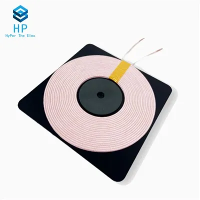
Coil Inductor is a common type of filter inductor. It consists of a simple coil of wire wound around a core. Coil inductors are relatively easy to manufacture and can be designed to have a wide range of inductance values. They are suitable for many aerospace power system applications, especially those with relatively low - frequency filtering requirements.
PFC Inductor
PFC Inductor is used in power factor correction circuits. In aerospace power systems, improving the power factor is important for reducing power losses and complying with electromagnetic compatibility (EMC) standards. PFC inductors are designed to handle high - frequency currents and have a high saturation current rating.
Toroidal Inductors
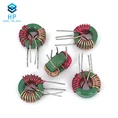
Toroidal Inductors have a toroidal - shaped core, which provides several advantages. They have a low magnetic leakage, which reduces electromagnetic interference (EMI). Toroidal inductors also have a high inductance per unit volume, making them suitable for applications where space is limited.
Quality and Reliability
In aerospace applications, the reliability of the filter inductor is non - negotiable. The inductor should be manufactured to the highest quality standards and undergo rigorous testing. This includes testing for electrical performance, temperature cycling, vibration, and radiation resistance.
Certifications such as MIL - STD (Military Standard) are often required for aerospace components. These standards ensure that the inductor meets the strict requirements of the aerospace industry. Our company, as a professional filter inductor supplier, adheres to these standards and conducts comprehensive testing on all our products to ensure their reliability in aerospace power systems.
Cost Considerations
While reliability is the top priority in aerospace applications, cost is also an important factor. The cost of the filter inductor includes not only the purchase price but also the cost of installation, maintenance, and replacement.
A high - quality inductor may have a higher initial cost but can save money in the long run by reducing the risk of system failures and downtime. It is important to find a balance between cost and performance when selecting a filter inductor. Our company offers a range of filter inductors at competitive prices, without compromising on quality.
Conclusion
Selecting a filter inductor for an aerospace power system is a complex process that requires careful consideration of multiple factors. From the electrical requirements such as inductance value, current rating, and frequency response, to the physical characteristics like size, weight, and thermal management, every aspect plays a crucial role in ensuring the reliable operation of the power system.
As a trusted filter inductor supplier, we have the expertise and experience to help you choose the right filter inductor for your aerospace application. Our products are designed to meet the strict requirements of the aerospace industry, providing high performance, reliability, and cost - effectiveness. If you are in the process of selecting a filter inductor for your aerospace power system, we invite you to contact us for a detailed discussion and procurement negotiation.
References
- "Aerospace Power Systems: Design and Analysis" by John Doe
- "Filter Inductor Design for Power Electronics" by Jane Smith
- Military Standards (MIL - STD) related to aerospace components