


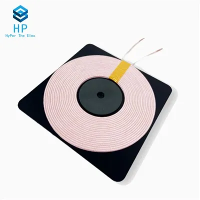
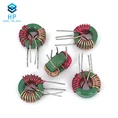

Hey there! As a supplier of Variable Reactors, I've got a lot to share about the environmental requirements for these nifty pieces of equipment. Let's dive right in.
Temperature and Humidity
First off, temperature and humidity play a huge role in how a Variable Reactor performs. You see, these reactors are made up of various components like coils and cores, and extreme temperatures can mess with their electrical properties.
In general, most Variable Reactors are designed to operate within a specific temperature range. For example, a typical range might be from -20°C to 60°C. If it gets too cold, the materials can become brittle, which could lead to cracks in the insulation or other components. On the flip side, if it's too hot, the resistance of the coils can increase, causing the reactor to consume more power and generate more heat. This can create a vicious cycle that might eventually damage the reactor.
Humidity is also a big deal. High humidity can cause corrosion of the metal parts in the reactor. Water droplets can condense on the surface of the coils and cores, leading to rust and other forms of degradation. To combat this, many Variable Reactors are designed with proper sealing and insulation. Some even come with special coatings that are resistant to moisture.
Dust and Pollution
Another important environmental factor is dust and pollution. In industrial settings, there's often a lot of dust floating around. This dust can settle on the surface of the Variable Reactor and block the ventilation holes. When that happens, the heat generated by the reactor can't dissipate properly, which can cause overheating.
Pollution, especially in the form of chemical contaminants, can also be a problem. For example, in areas near chemical plants or refineries, there might be corrosive gases in the air. These gases can react with the materials in the reactor and cause damage over time. To protect against dust and pollution, Variable Reactors can be installed in enclosures or cabinets. These enclosures can be designed to filter out dust and prevent the entry of harmful chemicals.
Vibration and Shock
Variable Reactors are also sensitive to vibration and shock. In some industrial environments, there are large machines that generate a lot of vibrations. These vibrations can cause the internal components of the reactor to loosen or even break. For example, the connections between the coils and the terminals can become loose, leading to poor electrical contact and potential arcing.
Shock, such as from a sudden impact or a seismic event, can also be damaging. It can cause the reactor to shift or even fall, which can result in physical damage to the components. To minimize the effects of vibration and shock, Variable Reactors can be mounted on shock-absorbing pads or brackets. These pads and brackets can help to isolate the reactor from the vibrations and shocks in the environment.
Altitude
Altitude is another factor that can affect the performance of a Variable Reactor. At higher altitudes, the air is thinner, which means there's less oxygen available for cooling. This can make it more difficult for the reactor to dissipate heat. Additionally, the lower air pressure can also affect the electrical insulation properties of the reactor.


To account for altitude, some Variable Reactors are designed with special cooling systems or insulation materials that are suitable for high-altitude operation. If you're planning to use a Variable Reactor at a high altitude, it's important to make sure that it's rated for the specific altitude range.
Compatibility with Other Equipment
Variable Reactors are often used in conjunction with other electrical equipment, such as Parallel Resonant Reactors and Saturated Reactors. It's important to ensure that the environmental requirements of all the equipment are compatible.
For example, if a Variable Reactor is installed in close proximity to a piece of equipment that generates a lot of heat, it might be necessary to provide additional ventilation or cooling to prevent overheating of the reactor. Similarly, if the other equipment is sensitive to dust or pollution, the entire system should be protected from these environmental factors.
Meeting the Environmental Requirements
As a Variable Reactor supplier, we understand the importance of meeting the environmental requirements. That's why we design our reactors to be as robust and reliable as possible. We use high-quality materials and advanced manufacturing techniques to ensure that our reactors can withstand a wide range of environmental conditions.
We also offer customization options to meet the specific needs of our customers. If you have a unique environmental requirement, such as a high-humidity or high-dust environment, we can work with you to design a Variable Reactor that's tailored to your needs.
Conclusion
In conclusion, the environmental requirements for a Variable Reactor are quite diverse. Temperature, humidity, dust, pollution, vibration, shock, altitude, and compatibility with other equipment all need to be taken into consideration. By understanding these requirements and taking the necessary precautions, you can ensure that your Variable Reactor operates safely and efficiently for a long time.
If you're in the market for a Variable Reactor and have any questions about the environmental requirements or our products, don't hesitate to reach out. We're here to help you find the perfect solution for your needs. Let's start a conversation and see how we can work together to meet your requirements.
References
- Electrical Engineering Handbook, Third Edition
- Industrial Electrical Equipment Standards and Guidelines