


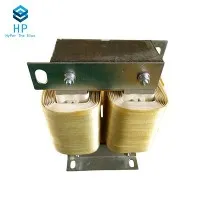

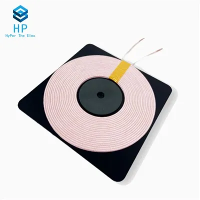

The performance of a Flat Wave Reactor is influenced by multiple factors, and one of the most critical aspects is its reactor geometry. As a supplier specializing in Flat Wave Reactors, I have witnessed firsthand how different geometric designs can significantly alter the reactor's functionality and efficiency. In this blog, I will delve into the impact of reactor geometry on the performance of a Flat Wave Reactor.
Basic Understanding of Flat Wave Reactor
A Flat Wave Reactor, as the name suggests, is designed to flatten the waveform of electrical currents or voltages. It plays a vital role in various electrical systems, such as power distribution networks, industrial machinery, and renewable energy systems. By smoothing out the fluctuations in electrical signals, it helps to improve the stability and reliability of the overall electrical system. You can learn more about our Flat Wave Reactor on our website.
Influence of Geometric Shape
The geometric shape of a Flat Wave Reactor can be classified into several types, including rectangular, circular, and elliptical. Each shape has its unique characteristics and impacts on the reactor's performance.


Rectangular Geometry
Rectangular-shaped Flat Wave Reactors are widely used due to their simple structure and ease of installation. The straight sides and right angles make them suitable for mounting in cabinets or on racks. In terms of performance, the rectangular geometry allows for a more uniform distribution of magnetic fields within the reactor. This uniformity helps to reduce the occurrence of local hotspots, which can degrade the insulation material and shorten the reactor's lifespan. However, the sharp corners of the rectangle can cause some distortion in the magnetic field lines, leading to increased electromagnetic interference (EMI).
Circular Geometry
Circular Flat Wave Reactors offer a more symmetrical magnetic field distribution compared to rectangular ones. The absence of sharp corners reduces EMI, making them ideal for applications where electromagnetic compatibility is crucial, such as in sensitive electronic equipment. The circular shape also provides better mechanical stability, as it can withstand external forces more evenly. However, circular reactors are more difficult to manufacture and install, which can increase the overall cost.
Elliptical Geometry
Elliptical Flat Wave Reactors combine some of the advantages of both rectangular and circular geometries. They have a more streamlined shape than rectangles, which helps to reduce EMI. At the same time, they can be designed to fit into specific spaces more easily than circular reactors. The elliptical shape also allows for a more optimized distribution of magnetic materials, which can improve the reactor's efficiency.
Impact of Dimensions
The dimensions of a Flat Wave Reactor, including its length, width, height, and cross - sectional area, also have a significant impact on its performance.
Length
The length of the reactor affects the inductance value. Generally, a longer reactor will have a higher inductance. Inductance is a crucial parameter in a Flat Wave Reactor, as it determines the ability of the reactor to store and release magnetic energy. A higher inductance can provide better waveform flattening, but it also increases the resistance and power loss in the reactor. Therefore, when designing a Flat Wave Reactor, the length needs to be carefully optimized to balance the inductance and power loss.
Width and Height
The width and height of the reactor influence the magnetic field distribution and the heat dissipation. A wider and taller reactor can provide more space for the magnetic field to spread, reducing the magnetic flux density and minimizing the risk of magnetic saturation. Additionally, a larger surface area allows for better heat dissipation, which is essential for maintaining the reactor's temperature within a safe range.
Cross - Sectional Area
The cross - sectional area of the reactor core is directly related to the magnetic flux capacity. A larger cross - sectional area can accommodate a higher magnetic flux without saturation. This is particularly important in high - power applications, where a large amount of magnetic energy needs to be stored and transferred. However, increasing the cross - sectional area also increases the size and weight of the reactor, as well as the cost of materials.
Impact on Power Factor Compensation and Smoothing
Flat Wave Reactors are often used in conjunction with Power Factor Compensation Reactors and Smoothing Reactors to improve the power quality of electrical systems.
Power Factor Compensation
The geometry of a Flat Wave Reactor can affect its ability to work in harmony with Power Factor Compensation Reactors. A well - designed geometry can ensure a proper impedance matching between the two types of reactors, which is crucial for effective power factor correction. For example, if the inductance value of the Flat Wave Reactor is not well - matched with the capacitance of the power factor compensation capacitor, the power factor improvement may be limited, and there may be resonance issues in the electrical system.
Smoothing
In applications where a smooth DC output is required, such as in DC power supplies or electric vehicle charging stations, Smoothing Reactors are used along with Flat Wave Reactors. The geometry of the Flat Wave Reactor can influence the filtering effect of the smoothing process. A reactor with a proper geometric design can reduce the ripple current and voltage more effectively, providing a more stable DC output.
In Conclusion
The geometry of a Flat Wave Reactor has a profound impact on its performance in terms of magnetic field distribution, inductance, power loss, EMI, power factor compensation, and smoothing. As a supplier, we understand the importance of optimizing the reactor geometry to meet the specific requirements of different applications. Whether you need a reactor for a small - scale electronic device or a large - scale industrial power system, we can provide customized solutions based on our in - depth knowledge of reactor geometry.
If you are interested in our Flat Wave Reactors or need more information about how the reactor geometry can be tailored to your specific needs, please feel free to contact us. We are looking forward to discussing your project and providing you with the best possible solutions.
References
- “Electrical Reactor Design and Applications”, McGraw - Hill
- “Power System Harmonics and Passive Filter Design”, Wiley