



In the world of power electronics, Power Factor Correction (PFC) inductors play a pivotal role in enhancing the efficiency and performance of electrical systems. As a leading supplier of PFC inductors, I'm deeply involved in understanding and providing these crucial components to various industries. In this blog, I'll delve into the functions of a PFC inductor, exploring its significance and applications.
Understanding the Basics of PFC
Before we dive into the functions of a PFC inductor, it's essential to understand what Power Factor Correction is. Power factor is a measure of how effectively electrical power is converted into useful work output. A low power factor means that a significant portion of the electrical energy is wasted, often in the form of heat. This not only increases energy costs but also puts additional stress on electrical equipment and the power grid.
PFC is a technique used to improve the power factor of an electrical system, bringing it closer to unity (1). By doing so, it reduces the reactive power and improves the overall efficiency of the system. This is where PFC inductors come into play.
Key Functions of a PFC Inductor
Energy Storage
One of the primary functions of a PFC inductor is energy storage. In a PFC circuit, the inductor stores energy during the on - state of the switching device and releases it during the off - state. This energy storage and release process is crucial for shaping the input current waveform.
When the switch in the PFC circuit is closed, the current through the inductor increases, and the inductor stores energy in its magnetic field. When the switch opens, the magnetic field collapses, and the stored energy is released into the circuit, maintaining the current flow. This continuous energy storage and release cycle helps to smooth out the current waveform, reducing harmonics and improving the power factor.
Current Shaping
PFC inductors are also responsible for shaping the input current waveform to match the input voltage waveform. In a typical AC power supply, the input current waveform can be distorted due to the non - linear nature of loads such as rectifiers. This distortion leads to the generation of harmonics, which can cause problems in the electrical system, including overheating of equipment, interference with other electronic devices, and reduced power quality.
The PFC inductor, in combination with the PFC controller and other circuit components, helps to reshape the input current waveform into a sinusoidal shape that is in phase with the input voltage. This reduces the harmonic content of the current and improves the power factor of the system.
Filtering
In addition to energy storage and current shaping, PFC inductors also act as filters. They help to suppress high - frequency noise and interference in the PFC circuit. High - frequency noise can be generated by the switching action of the power electronics components in the PFC circuit, and if left unfiltered, it can cause electromagnetic interference (EMI) problems and degrade the performance of the electrical system.
The PFC inductor, with its inherent inductive reactance, blocks the high - frequency components of the current while allowing the low - frequency components (i.e., the fundamental frequency) to pass through. This filtering action helps to maintain a clean and stable power supply, improving the reliability and performance of the electrical system.
Types of PFC Inductors and Their Applications
There are several types of PFC inductors available in the market, each with its own characteristics and applications.
Filter Inductor
Filter Inductor is a type of PFC inductor that is specifically designed for filtering applications. It is used to remove unwanted noise and interference from the power supply. Filter inductors are commonly used in power supplies for electronic devices such as computers, televisions, and industrial control systems. They help to ensure a clean and stable power supply, which is essential for the proper operation of these devices.
Coil Inductor
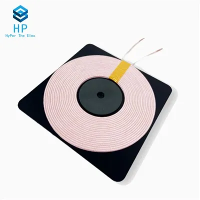
Coil Inductor is another type of PFC inductor. Coil inductors are made by winding a wire around a core material, such as ferrite or iron. They are relatively simple in design but can be very effective in energy storage and current shaping applications. Coil inductors are widely used in small - to medium - power PFC circuits, such as those found in LED lighting systems and small power supplies.


Toroidal Inductors
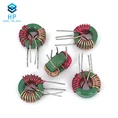
Toroidal Inductors are a special type of PFC inductor that uses a toroidal (doughnut - shaped) core. Toroidal inductors have several advantages over other types of inductors, including high inductance per unit volume, low electromagnetic interference, and high efficiency. They are commonly used in high - power PFC circuits, such as those found in industrial power supplies and electric vehicle chargers.
Importance of Choosing the Right PFC Inductor
Choosing the right PFC inductor is crucial for the performance and reliability of the electrical system. The wrong inductor can lead to poor power factor correction, increased harmonics, and reduced efficiency. When selecting a PFC inductor, several factors need to be considered, including:
Inductance Value
The inductance value of the PFC inductor determines its ability to store energy and shape the current waveform. A higher inductance value generally results in better power factor correction, but it also increases the size and cost of the inductor. Therefore, the inductance value needs to be carefully selected based on the specific requirements of the application.
Current Rating
The current rating of the PFC inductor is another important factor. It determines the maximum current that the inductor can carry without overheating. If the current rating is too low, the inductor may overheat and fail, while a rating that is too high can result in a larger and more expensive inductor.
Frequency Response
The frequency response of the PFC inductor is also critical. It needs to be able to handle the switching frequency of the PFC circuit without significant losses or distortion. Different types of PFC inductors have different frequency responses, so the appropriate type needs to be selected based on the operating frequency of the circuit.
Conclusion
In conclusion, PFC inductors are essential components in modern power electronics systems. They play a crucial role in improving the power factor, reducing harmonics, and filtering high - frequency noise. As a PFC inductor supplier, I understand the importance of providing high - quality inductors that meet the specific requirements of different applications.
If you are in the market for PFC inductors or have any questions about their applications and selection, I encourage you to reach out to us. We have a team of experienced engineers who can help you choose the right PFC inductors for your project and ensure the optimal performance of your electrical system.
References
- Erickson, R. W., & Maksimovic, D. (2001). Fundamentals of Power Electronics. Springer.
- Mohan, N., Undeland, T. M., & Robbins, W. P. (2012). Power Electronics: Converters, Applications, and Design. Wiley.