


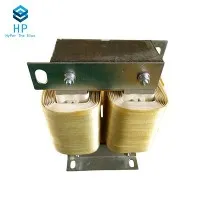

As a supplier of Resonant Coils, I've had the privilege of engaging with various clients across different industries. One question that frequently arises in our discussions is, "What is the insulation requirement for resonant coils?" In this blog post, I'll delve into this topic, exploring the importance of insulation, the factors influencing insulation requirements, and the best practices for ensuring optimal insulation in resonant coils.
The Importance of Insulation in Resonant Coils
Resonant coils are essential components in many electrical and electronic systems, including radio frequency (RF) circuits, wireless power transfer systems, and resonant converters. These coils operate at specific frequencies, where they exhibit a resonance phenomenon, allowing them to store and transfer energy efficiently. However, the high voltages and currents involved in resonant operation can pose significant challenges, making proper insulation crucial for several reasons:


- Electrical Safety: Insulation prevents electrical shock and short circuits, protecting both the equipment and the operators. In high-voltage applications, inadequate insulation can lead to arcing, which can cause damage to the coil and other components, as well as pose a fire hazard.
- Performance and Efficiency: Good insulation reduces energy losses due to leakage currents and dielectric losses. This helps maintain the desired resonance frequency and quality factor (Q-factor) of the coil, ensuring optimal performance and efficiency.
- Longevity and Reliability: Insulation protects the coil from environmental factors such as moisture, dust, and chemicals, which can degrade the coil's performance over time. By providing a barrier against these elements, insulation helps extend the lifespan of the coil and reduces the need for frequent maintenance and replacement.
Factors Influencing Insulation Requirements
The insulation requirements for resonant coils depend on several factors, including the operating voltage, frequency, temperature, and environmental conditions. Let's take a closer look at each of these factors:
- Operating Voltage: The higher the operating voltage, the greater the insulation requirements. High-voltage applications typically require thicker insulation materials with high dielectric strength to prevent electrical breakdown. For example, in RF circuits operating at several kilovolts, special high-voltage insulation materials such as mica, ceramic, or high-quality enameled wire may be used.
- Frequency: The frequency of operation also affects the insulation requirements. At high frequencies, the skin effect and proximity effect become more pronounced, causing the current to flow mainly on the surface of the conductor. This can increase the effective resistance of the coil and lead to higher losses. To minimize these effects, thin, multi-stranded conductors with appropriate insulation are often used in high-frequency resonant coils.
- Temperature: Temperature can have a significant impact on the performance of insulation materials. As the temperature increases, the dielectric strength of the insulation material decreases, and the risk of electrical breakdown increases. Therefore, it is important to choose insulation materials with a high temperature rating that can withstand the operating temperatures of the coil. In addition, proper thermal management techniques, such as heat sinks and cooling fans, may be required to keep the coil temperature within acceptable limits.
- Environmental Conditions: The environmental conditions in which the resonant coil operates can also affect the insulation requirements. For example, in humid or corrosive environments, insulation materials that are resistant to moisture and chemicals are needed. In outdoor applications, the insulation must be able to withstand exposure to sunlight, rain, and extreme temperatures.
Types of Insulation Materials for Resonant Coils
There are several types of insulation materials commonly used in resonant coils, each with its own advantages and disadvantages. Here are some of the most popular insulation materials:
- Enameled Wire: Enameled wire is one of the most widely used insulation materials for resonant coils. It consists of a thin layer of enamel coating on the surface of the conductor, providing electrical insulation and mechanical protection. Enameled wire is available in various types, including polyester, polyimide, and polyurethane, each with different temperature ratings and dielectric strengths.
- Fiberglass Tape: Fiberglass tape is a flexible insulation material that is often used to wrap around the coil to provide additional insulation and mechanical support. It has good thermal and electrical properties and is resistant to moisture and chemicals. Fiberglass tape is available in different thicknesses and widths, allowing for customization based on the specific requirements of the coil.
- Mica: Mica is a natural mineral that has excellent electrical insulation properties, high dielectric strength, and good thermal stability. It is often used in high-voltage and high-temperature applications, such as RF transformers and resonant converters. Mica can be used in the form of sheets or tapes, and it can be easily shaped and cut to fit the coil.
- Ceramic: Ceramic materials are known for their high dielectric strength, excellent thermal conductivity, and resistance to high temperatures. They are commonly used in high-power and high-frequency resonant coils, where they can provide both electrical insulation and thermal management. Ceramic insulators can be in the form of tubes, rods, or discs, depending on the application.
Best Practices for Insulation in Resonant Coils
To ensure optimal insulation performance in resonant coils, it is important to follow some best practices during the design, manufacturing, and installation processes. Here are some key recommendations:
- Proper Design: The coil design should take into account the operating voltage, frequency, temperature, and environmental conditions. This includes selecting the appropriate conductor size, insulation material, and coil geometry to minimize energy losses and ensure adequate insulation.
- Quality Materials: Use high-quality insulation materials that meet the required specifications for the application. Ensure that the insulation materials are properly tested and certified to ensure their reliability and performance.
- Manufacturing Process: During the manufacturing process, pay attention to the details of the insulation application. Ensure that the insulation is applied evenly and without any defects, such as cracks or voids. Proper curing and drying of the insulation materials are also important to ensure their long-term performance.
- Installation and Maintenance: When installing the resonant coil, ensure that it is properly grounded and protected from environmental factors. Regular maintenance and inspection of the coil can help detect any signs of insulation degradation or damage early on, allowing for timely repairs or replacement.
Conclusion
In conclusion, the insulation requirements for resonant coils are crucial for ensuring electrical safety, performance, efficiency, and longevity. By understanding the factors influencing insulation requirements and following best practices for insulation design, manufacturing, and installation, you can ensure that your resonant coils operate reliably and efficiently in a wide range of applications.
As a [Your Company Type] of [Resonant Coil], we are committed to providing high-quality resonant coils with excellent insulation properties. Our team of experts can help you select the right insulation materials and design the optimal coil for your specific application. If you have any questions or need further information about our [Resonant Coil] products, please feel free to [Contact Method]. We look forward to discussing your requirements and providing you with the best solutions.
If you're interested in exploring other types of coils, you may also want to check out our Trap Coil and Antenna Coil offerings. For more details on our Resonant Coil, click the link.
References
- [Author Last Name, First Name]. [Book Title]. [Publisher Name], [Publication Year].
- [Author Last Name, First Name]. "[Article Title]." [Journal Name], Vol. [Volume Number], No. [Issue Number], [Publication Date], pp. [Page Range].