



Iron-core inductors are essential components in various electronic circuits, playing a crucial role in energy storage, filtering, and impedance matching. As a leading inductor supplier, we are often asked about the manufacturing process of iron-core inductors. In this blog post, I will walk you through the step-by-step process of making these important components.
Step 1: Material Selection
The first step in the manufacturing process is to select the appropriate materials. The core material is a critical factor as it determines the inductor's performance characteristics. Iron is a popular choice for the core due to its high magnetic permeability, which allows for efficient energy storage and transfer. We typically use high-quality iron alloys that offer a good balance between magnetic properties and cost.
In addition to the core material, we also need to choose the right wire for the coil. The wire's gauge, material, and insulation are all important considerations. Copper is the most commonly used material for the wire due to its excellent electrical conductivity. The gauge of the wire depends on the desired current rating and resistance of the inductor. We also use insulation materials to prevent short circuits and ensure the inductor's reliability.
Step 2: Core Preparation
Once the materials are selected, the next step is to prepare the iron core. The core is usually made by stamping or laminating thin sheets of iron. Stamping involves cutting the iron sheets into the desired shape using a die. Laminating, on the other hand, involves stacking multiple thin sheets of iron together and bonding them with an insulating material. Laminated cores are preferred because they reduce eddy current losses, which can improve the inductor's efficiency.
After the core is formed, it is annealed to relieve internal stresses and improve its magnetic properties. Annealing involves heating the core to a specific temperature and then cooling it slowly. This process helps to align the magnetic domains in the iron, making it more magnetically permeable.
Step 3: Coil Winding
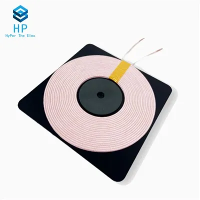
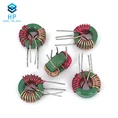
The coil is the next important component of the iron-core inductor. The coil is wound around the core using a winding machine. The number of turns in the coil and the way it is wound determine the inductor's inductance value. We use precision winding machines to ensure that the coil is wound evenly and tightly.
During the winding process, the wire is guided through a series of pulleys and tensioners to maintain the proper tension. The winding machine can be programmed to wind the coil in a specific pattern, such as a single-layer or multi-layer winding. The type of winding pattern used depends on the application and the desired performance of the inductor.
Step 4: Insulation and Encapsulation
Once the coil is wound, it needs to be insulated to prevent short circuits and protect it from environmental factors. We use various insulation materials, such as enamel, varnish, or tape, to coat the wire and the coil. The insulation material is applied using a dipping or spraying process.
After the insulation is applied, the inductor is encapsulated to provide additional protection. Encapsulation involves filling the inductor with a potting compound, such as epoxy resin or silicone rubber. The potting compound helps to protect the inductor from moisture, dust, and mechanical stress. It also provides electrical insulation and improves the inductor's thermal performance.
Step 5: Testing and Quality Control
Before the inductor is shipped to the customer, it undergoes a series of tests to ensure that it meets the required specifications. We use advanced testing equipment to measure the inductor's inductance, resistance, and quality factor. The inductor is also tested for its ability to withstand high temperatures, humidity, and mechanical stress.
In addition to the electrical tests, we also perform visual inspections to check for any defects or damage. Our quality control team carefully examines each inductor to ensure that it meets our high standards of quality. Only inductors that pass all the tests are approved for shipment.
Applications of Iron-Core Inductors
Iron-core inductors are used in a wide range of applications, including power supplies, audio amplifiers, and electronic filters. In power supplies, iron-core inductors are used to store energy and smooth out the output voltage. They help to reduce ripple and improve the efficiency of the power supply.
In audio amplifiers, iron-core inductors are used to filter out unwanted frequencies and improve the sound quality. They help to reduce distortion and noise, resulting in a clearer and more accurate audio signal.
In electronic filters, iron-core inductors are used to block or pass certain frequencies. They are commonly used in low-pass, high-pass, and band-pass filters to control the frequency response of the circuit.


Related Products
As an inductor supplier, we offer a wide range of iron-core inductors, as well as other types of inductors, such as Ring Transformer, Filter Inductor, and PFC Inductor. Our products are designed to meet the needs of various industries and applications.
Contact Us for Procurement
If you are interested in purchasing iron-core inductors or any other types of inductors, please feel free to contact us. Our team of experts can help you choose the right inductor for your application and provide you with a competitive quote. We are committed to providing high-quality products and excellent customer service.