




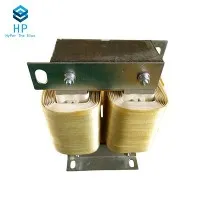

Hey there! As a supplier of DC solenoid coils, I often get asked about the maximum current these coils can withstand. It's a crucial question, especially for those who rely on these coils in their projects or products. So, let's dive right in and explore this topic.
First off, what exactly is a DC solenoid coil? Well, it's a type of electromagnetic coil that generates a magnetic field when an electric current passes through it. This magnetic field can then be used to move a plunger or perform other mechanical actions. DC solenoid coils are used in a wide range of applications, from automotive systems to industrial machinery.
Now, the maximum current a DC solenoid coil can withstand depends on several factors. One of the most important factors is the wire gauge of the coil. Thicker wires can carry more current without overheating. For example, a coil made with a thicker wire can handle a higher current compared to a coil with a thinner wire of the same length. The material of the wire also plays a role. Copper is a popular choice for solenoid coils because it has good electrical conductivity and can handle relatively high currents.
Another factor is the number of turns in the coil. More turns generally mean a stronger magnetic field, but they also increase the resistance of the coil. This means that for a given voltage, a coil with more turns will draw less current. However, if you increase the voltage to compensate, you need to make sure the coil can handle the increased current.
The temperature rating of the coil is also crucial. Coils are designed to operate within a certain temperature range. If the current is too high, the coil will heat up, and if it exceeds the temperature rating, it can damage the coil or even cause a fire. So, it's essential to choose a coil with a temperature rating that suits your application.
Let's talk about some practical examples. Say you're using a DC solenoid coil in a small robotic arm. You need to know how much current the coil can handle to ensure it operates safely and efficiently. If you use a coil with a low maximum current rating and try to pass too much current through it, the coil will overheat, and the performance of the robotic arm will be affected. On the other hand, if you choose a coil with a much higher maximum current rating than you actually need, you'll be paying more for the coil than necessary.
Now, I want to mention some related products that might be of interest to you. If you're looking for AC Solenoid Coil, we also have a great selection. AC solenoid coils work a bit differently from DC solenoid coils, but they're also widely used in various applications. And if you need a Solenoid Valve Coil, we've got you covered. These coils are used to control the flow of fluids in valves. Additionally, our Hollow Coil is a unique option that can be used in specific applications where a hollow core is required.
So, how do you determine the maximum current for your specific DC solenoid coil? Well, it's best to consult the manufacturer's specifications. These specifications will tell you the maximum current, voltage, and temperature rating of the coil. You can also perform some tests to measure the actual current and temperature of the coil under different operating conditions.


If you're still not sure which coil is right for your application, don't hesitate to reach out to us. We have a team of experts who can help you select the best coil based on your requirements. Whether you're working on a small DIY project or a large industrial application, we can provide you with the right DC solenoid coil.
In conclusion, understanding the maximum current that a DC solenoid coil can withstand is essential for ensuring the safe and efficient operation of your equipment. By considering factors such as wire gauge, number of turns, and temperature rating, you can choose the right coil for your needs. And if you need any assistance or have any questions, feel free to contact us for a procurement discussion. We're here to help you find the perfect solution for your solenoid coil requirements.
References
- "Electromagnetic Coil Design and Applications" - A textbook on coil design principles
- Manufacturer datasheets for DC solenoid coils