


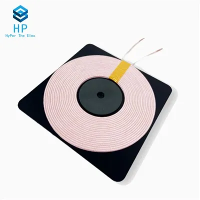
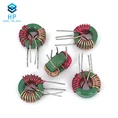

Hey there! As a coil inductor supplier, I often get asked why shielding is needed for a coil inductor. Well, let's dive right into it and explore the ins and outs of this important topic.
First off, what's a coil inductor anyway? Simply put, a coil inductor is a passive electronic component that stores energy in a magnetic field when an electric current flows through it. It's widely used in all sorts of electronic devices, from power supplies to communication equipment. You can check out more about Coil Inductor on our website.


Now, let's talk about shielding. Shielding for a coil inductor is like a protective shield for a knight in battle. It serves several crucial purposes that can significantly impact the performance and reliability of the inductor and the overall electronic system.
One of the main reasons for shielding is to reduce electromagnetic interference (EMI). When a current flows through a coil inductor, it generates a magnetic field. This magnetic field can interact with other nearby components or circuits, causing interference. This interference can manifest as noise in audio systems, signal distortion in communication devices, or even malfunctions in sensitive electronic equipment. By using a shield, we can contain the magnetic field within the inductor and prevent it from spreading out and causing problems. For example, in a high - speed data transmission system, even a small amount of EMI can lead to data errors. Shielding helps to keep the signal clean and reliable.
Another important aspect is to protect the inductor itself from external magnetic fields. There are all sorts of magnetic fields in our environment, from the Earth's magnetic field to those generated by other electrical devices. These external magnetic fields can affect the performance of the coil inductor. They can change the inductance value, introduce unwanted noise, or even cause saturation of the inductor's core. A shield acts as a barrier, blocking these external magnetic fields and ensuring that the inductor operates as intended.
Let's take a look at some specific types of inductors where shielding is particularly important. Filter Inductor is one such example. Filter inductors are used to filter out unwanted frequencies in a circuit. They are often used in power supplies to remove ripple and noise from the DC output. Without proper shielding, the magnetic field generated by the filter inductor can interfere with other components in the power supply or adjacent circuits. Shielding helps to maintain the integrity of the filtering function and improves the overall performance of the power supply.
PFC Inductor, or Power Factor Correction Inductor, is another case. PFC inductors are used to improve the power factor of an electrical system. They are commonly found in high - power electronic devices such as computers, televisions, and industrial equipment. These inductors operate at high currents and frequencies, and the magnetic fields they generate can be quite strong. Shielding is essential to prevent EMI and ensure that the PFC circuit operates efficiently.
When it comes to choosing the right shielding for a coil inductor, there are several factors to consider. The material of the shield is crucial. Common shielding materials include mu - metal, which has high magnetic permeability and is very effective at blocking magnetic fields. Aluminum and copper can also be used for shielding, especially for electromagnetic shielding against high - frequency fields. The design of the shield also matters. It needs to be properly shaped and sized to enclose the inductor and provide maximum protection.
In addition to reducing EMI and protecting against external magnetic fields, shielding can also have an impact on the physical safety of the electronic system. In some applications, the magnetic field generated by an unshielded inductor can pose a risk to nearby personnel or sensitive equipment. For example, in medical devices or aerospace applications, strict safety standards require the use of shielded inductors to prevent any potential hazards.
Another benefit of shielding is that it can improve the stability of the inductor's performance over time. By protecting the inductor from external influences, we can reduce the likelihood of changes in its electrical characteristics due to environmental factors. This means that the inductor will have a more consistent performance throughout its lifespan, which is especially important in applications where reliability is critical.
Now, if you're in the market for high - quality coil inductors with proper shielding, you've come to the right place. As a coil inductor supplier, we have a wide range of products to meet your specific needs. Whether you need filter inductors, PFC inductors, or other types of coil inductors, we can provide you with the best solutions. Our inductors are designed and manufactured using the latest technology and high - quality materials to ensure optimal performance and reliability.
If you have any questions about our products or need more information on shielding for coil inductors, feel free to reach out. We're here to help you make the right choice for your electronic applications. Whether you're a small - scale electronics hobbyist or a large - scale industrial manufacturer, we can work with you to find the perfect inductor solution.
In conclusion, shielding for a coil inductor is not just an optional extra; it's a necessity in many electronic applications. It plays a vital role in reducing EMI, protecting against external magnetic fields, ensuring physical safety, and improving the overall performance and reliability of the inductor and the electronic system. So, don't overlook the importance of shielding when selecting coil inductors for your projects.
References
- "Electromagnetic Compatibility Engineering" by Henry W. Ott
- "Inductors and Transformers for Power Electronics" by Marian K. Kazimierczuk