


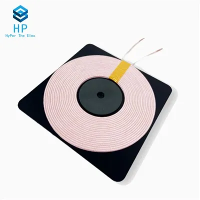
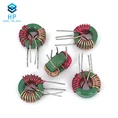

In the modern era, the stability of the electrical grid is of paramount importance. As an Electric Reactors supplier, I've witnessed firsthand how these devices play a crucial role in maintaining the reliability and efficiency of power systems. In this blog, I'll delve into the ways electric reactors contribute to grid stability and highlight some of our key products.
Understanding Electric Reactors
Electric reactors, also known as inductors, are passive electrical components that store energy in a magnetic field when an electric current flows through them. They are characterized by their inductance, which is measured in henries (H). Reactors can be classified into different types based on their functions and applications, such as current - limiting reactors, compensating reactors, and flat - wave reactors.
Current - Limiting Reactors and Grid Protection
One of the primary contributions of electric reactors to grid stability is in protecting the grid from excessive currents. Faults in the power system, such as short - circuits, can cause a sudden surge in current. These high currents can damage electrical equipment, disrupt power supply, and even pose a safety risk.
Current - limiting reactors are designed to limit the magnitude of fault currents. When a fault occurs, the reactor's inductance opposes the change in current, thereby reducing the fault current to a manageable level. This protection mechanism helps to prevent damage to transformers, circuit breakers, and other critical grid components. For example, in a large industrial power grid, a current - limiting reactor can be installed at the feeder level. In the event of a short - circuit, the reactor restricts the current flow, allowing the circuit breakers to operate more effectively and isolate the faulty section of the grid.


Compensating Reactors for Power Factor Correction
Power factor is a measure of how effectively electrical power is being used in a system. A low power factor means that a significant portion of the electrical energy is being wasted in the form of reactive power. Compensating reactors play a vital role in improving the power factor of the grid.
There are two main types of compensating reactors: parallel resonant reactors and series resonant reactors. Parallel Resonant Reactor are connected in parallel with the load. They absorb the reactive power generated by inductive loads, such as motors and transformers, and supply it back to the system. This reduces the overall reactive power demand from the grid, improving the power factor and reducing energy losses.
On the other hand, Series Resonant Reactor are connected in series with the load. They are used to tune the system to a specific resonant frequency, which can help to filter out harmonic currents. Harmonics are unwanted frequencies that can cause problems such as overheating of equipment, interference with communication systems, and instability in the grid. By using series resonant reactors, we can reduce the harmonic content in the power system, leading to a more stable and efficient grid.
Flat - Wave Reactors for Smoothing DC Currents
In DC power systems, such as those used in high - voltage direct - current (HVDC) transmission and some industrial applications, Flat Wave Reactor are essential for grid stability. These reactors are used to smooth out the ripple in the DC current.
Ripple in a DC current can cause problems such as increased losses, electromagnetic interference, and reduced efficiency of electrical equipment. A flat - wave reactor stores energy during the peak of the current and releases it during the trough, resulting in a more constant DC current. This is particularly important in HVDC transmission systems, where a stable DC current is required for efficient power transfer over long distances.
Dampening of Power System Oscillations
Power systems can experience oscillations due to various factors, such as sudden changes in load, generator outages, or faults. These oscillations can lead to instability in the grid and even cause a blackout if not properly controlled. Electric reactors can be used to dampen these oscillations.
By introducing additional inductance into the system, reactors can change the electrical characteristics of the power network. This can help to reduce the amplitude of the oscillations and bring the system back to a stable state. For example, in a multi - machine power system, reactors can be strategically placed to improve the damping of inter - area oscillations, which are oscillations between different regions of the grid.
Enhancing Grid Resilience
In addition to the above functions, electric reactors also contribute to the overall resilience of the grid. They can help the grid to withstand extreme events, such as natural disasters or cyber - attacks. For instance, during a severe storm, a current - limiting reactor can protect the grid from the high currents caused by fallen power lines or damaged equipment.
Moreover, as the grid evolves to incorporate more renewable energy sources, such as wind and solar, the role of electric reactors becomes even more important. Renewable energy sources are often intermittent, and their integration into the grid can cause fluctuations in power output. Reactors can be used to smooth out these fluctuations and ensure a stable power supply.
Conclusion and Call to Action
As an Electric Reactors supplier, we understand the critical role that our products play in grid stability. Our range of reactors, including flat - wave reactors, parallel resonant reactors, and series resonant reactors, are designed to meet the diverse needs of the power industry.
If you are looking for high - quality electric reactors to enhance the stability and efficiency of your power system, we invite you to contact us for a procurement discussion. Our team of experts is ready to assist you in selecting the right reactors for your specific requirements.