



In the intricate web of electrical systems, the protection of equipment from over - current is a critical concern. As a supplier of smoothing reactors, I've witnessed firsthand the indispensable role these devices play in safeguarding electrical equipment. This blog post delves into the mechanisms by which a smoothing reactor shields electrical equipment from over - current, exploring its principles, applications, and the broader impact on electrical infrastructure.
Understanding Over - Current and Its Risks
Over - current occurs when the current flowing through an electrical circuit exceeds its rated capacity. This can be due to various factors, such as short circuits, overloads, or sudden changes in load demand. The consequences of over - current can be severe, ranging from minor component damage to catastrophic system failures.
When an over - current situation arises, excessive heat is generated within the electrical components. This heat can degrade insulation materials, leading to short circuits and further exacerbating the problem. In addition, over - current can cause mechanical stress on conductors and other components, potentially leading to physical damage. Over time, repeated exposure to over - current can significantly reduce the lifespan of electrical equipment, increasing maintenance costs and the risk of unplanned downtime.
How a Smoothing Reactor Works
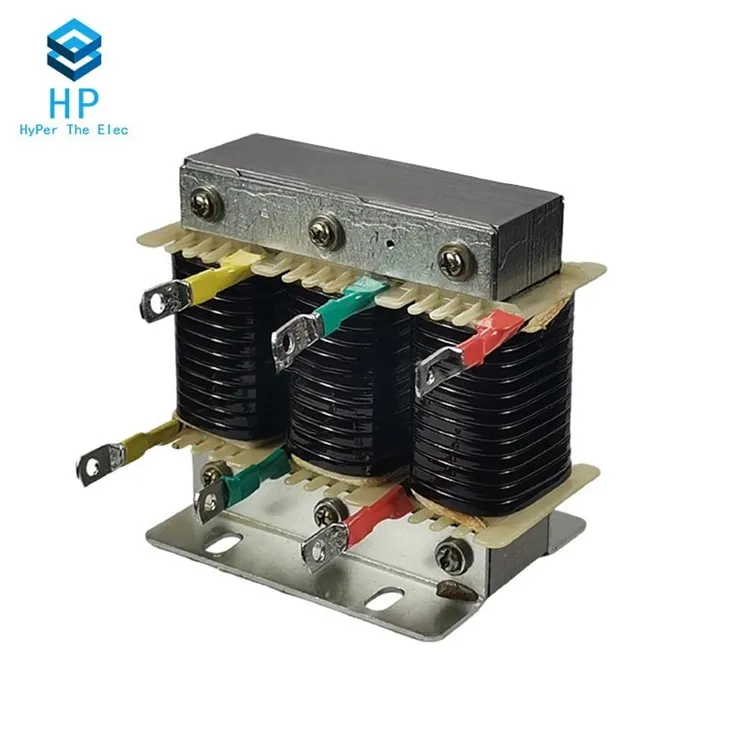
A smoothing reactor, also known as a DC reactor, is an inductive device that is designed to smooth out the current waveform in a DC circuit. It consists of a coil of wire wound around a magnetic core. When a current flows through the coil, a magnetic field is generated, which stores energy in the form of magnetic flux.
One of the key properties of an inductor is its ability to oppose changes in current. According to Faraday's law of electromagnetic induction, when the current through an inductor changes, an electromotive force (EMF) is induced in the coil that opposes the change in current. This property allows the smoothing reactor to limit the rate of change of current in a circuit.
In a DC circuit, the smoothing reactor helps to reduce the ripple current. Ripple current is the alternating component of the DC current, which can cause fluctuations in the voltage and current levels. By reducing the ripple current, the smoothing reactor provides a more stable DC output, which is essential for the proper operation of many electrical devices.
When an over - current situation occurs, the smoothing reactor's inductive property comes into play. The inductor resists the sudden increase in current, effectively limiting the rate at which the current can rise. This helps to prevent the current from reaching levels that could damage the electrical equipment.
Applications of Smoothing Reactors in Over - Current Protection
Smoothing reactors are widely used in various electrical systems to protect equipment from over - current. Here are some common applications:

Power Electronics Systems
In power electronics systems, such as rectifiers and inverters, smoothing reactors are used to filter out the high - frequency components of the current and provide a smooth DC output. These systems are often used in industrial applications, such as motor drives, battery chargers, and renewable energy systems. By reducing the ripple current and limiting the rate of change of current, the smoothing reactor protects the power electronic components from over - current damage.
DC Transmission Systems
DC transmission systems are used to transmit large amounts of electrical power over long distances. In these systems, smoothing reactors are installed at the converter stations to improve the quality of the DC power and protect the equipment from over - current. The reactors help to reduce the harmonic content of the current and provide a stable DC voltage, which is essential for the efficient operation of the transmission system.
Electric Traction Systems
Electric traction systems, such as trains and trams, rely on DC power to drive the motors. Smoothing reactors are used in these systems to smooth out the current waveform and protect the electrical equipment from over - current. The reactors help to reduce the voltage fluctuations and improve the performance of the traction motors, ensuring a smooth and reliable operation of the transportation system.
Comparison with Other Current - Limiting Devices
While smoothing reactors are effective in protecting electrical equipment from over - current, they are not the only devices available for this purpose. Other current - limiting devices include Current Limiting Reactor, Flat Wave Reactor, and Balancing Reactor.
Current limiting reactors are designed to limit the short - circuit current in an electrical circuit. They are typically used in high - voltage power systems to protect the equipment from the damaging effects of short - circuits. Flat wave reactors are used to smooth out the current waveform in a DC circuit, similar to smoothing reactors. However, they are often used in applications where a more precise control of the current waveform is required. Balancing reactors are used to balance the current between different phases in a multi - phase electrical system.
Each of these devices has its own advantages and disadvantages, and the choice of device depends on the specific requirements of the electrical system. Smoothing reactors are particularly well - suited for applications where a smooth DC output is required and where the protection against over - current is essential.
The Role of Smoothing Reactors in Ensuring System Reliability
In addition to protecting electrical equipment from over - current, smoothing reactors play a crucial role in ensuring the overall reliability of electrical systems. By providing a stable DC output, the reactors help to reduce the stress on the electrical components, which can extend their lifespan and reduce the risk of failures.
Smoothing reactors also help to improve the power quality of the electrical system. By reducing the ripple current and harmonic content, the reactors minimize the interference with other electrical devices and ensure a more efficient operation of the system. This is particularly important in applications where sensitive electronic equipment is used, such as in data centers and medical facilities.
Conclusion and Call to Action
In conclusion, smoothing reactors are essential components in electrical systems, providing effective protection against over - current and ensuring the reliable operation of electrical equipment. As a supplier of smoothing reactors, I am committed to providing high - quality products that meet the diverse needs of our customers.
If you are looking for a reliable solution to protect your electrical equipment from over - current, I encourage you to reach out to us. Our team of experts can help you select the right smoothing reactor for your specific application and provide you with the support you need to ensure its proper installation and operation. Contact us today to start a discussion about your requirements and explore how our smoothing reactors can benefit your electrical system.