


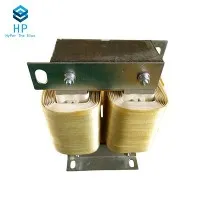

In the realm of wind power generation systems, output reactors play a pivotal role in ensuring efficient and reliable operation. As a seasoned output reactor supplier, I've witnessed firsthand the transformative impact these components have on the performance of wind turbines. In this blog post, I'll delve into the inner workings of output reactors in wind power generation systems, exploring their functions, benefits, and applications.
Understanding the Basics of Output Reactors
Before we delve into the specifics of how output reactors work in wind power generation systems, let's first understand the basic principles of reactors. A reactor is an electrical component that stores energy in a magnetic field when an electric current flows through it. Reactors are commonly used in electrical systems to control current, voltage, and power factor.
Output reactors, also known as line reactors or load reactors, are installed at the output of variable frequency drives (VFDs) or inverters in wind power generation systems. Their primary function is to protect the motor and other connected equipment from the harmful effects of voltage spikes, harmonics, and electromagnetic interference (EMI) generated by the VFD or inverter.
How Output Reactors Work in Wind Power Generation Systems
In a wind power generation system, the wind turbine converts the kinetic energy of the wind into mechanical energy, which is then converted into electrical energy by the generator. The electrical energy generated by the generator is typically in the form of alternating current (AC) with a variable frequency and voltage. To match the frequency and voltage of the electrical grid, the AC power from the generator is first converted into direct current (DC) by a rectifier, and then converted back into AC with a fixed frequency and voltage by an inverter.
During the conversion process, the inverter generates high-frequency voltage spikes and harmonics, which can cause damage to the motor and other connected equipment. Output reactors are installed at the output of the inverter to filter out these high-frequency voltage spikes and harmonics, protecting the motor and other connected equipment from damage.


Output reactors work by creating an inductive impedance in the electrical circuit, which limits the rate of change of current and reduces the magnitude of voltage spikes and harmonics. The inductive impedance of the output reactor is proportional to the frequency of the electrical signal, which means that it has a greater effect on high-frequency signals than on low-frequency signals. By filtering out high-frequency voltage spikes and harmonics, output reactors help to improve the power quality of the electrical system and reduce the risk of equipment failure.
Benefits of Using Output Reactors in Wind Power Generation Systems
There are several benefits of using output reactors in wind power generation systems, including:
- Protection of Motor and Other Connected Equipment: Output reactors protect the motor and other connected equipment from the harmful effects of voltage spikes, harmonics, and electromagnetic interference (EMI) generated by the inverter. By reducing the magnitude of voltage spikes and harmonics, output reactors help to extend the lifespan of the motor and other connected equipment and reduce the risk of equipment failure.
- Improvement of Power Quality: Output reactors help to improve the power quality of the electrical system by filtering out high-frequency voltage spikes and harmonics. By reducing the distortion of the electrical waveform, output reactors help to improve the efficiency of the electrical system and reduce the energy consumption of the motor and other connected equipment.
- Reduction of Electromagnetic Interference (EMI): Output reactors help to reduce the electromagnetic interference (EMI) generated by the inverter, which can cause interference with other electrical equipment in the vicinity. By reducing the EMI, output reactors help to improve the reliability of the electrical system and reduce the risk of equipment failure.
- Compliance with Electrical Standards: Output reactors help to ensure compliance with electrical standards and regulations, such as the International Electrotechnical Commission (IEC) standards and the Institute of Electrical and Electronics Engineers (IEEE) standards. By filtering out high-frequency voltage spikes and harmonics, output reactors help to meet the requirements of these standards and regulations and ensure the safe and reliable operation of the electrical system.
Types of Output Reactors Used in Wind Power Generation Systems
There are several types of output reactors used in wind power generation systems, including:
- Parallel Resonant Reactor: Parallel resonant reactors are used to improve the power factor of the electrical system by compensating for the inductive reactance of the motor and other connected equipment. Parallel resonant reactors are connected in parallel with the load, and they resonate at a specific frequency to provide a low-impedance path for the reactive power, reducing the reactive power consumption of the electrical system and improving the power factor.
- Saturated Reactor: Saturated reactors are used to control the current and voltage in the electrical system by varying the inductance of the reactor. Saturated reactors are designed to operate in the saturation region of the magnetic curve, where the inductance of the reactor decreases as the current increases. By varying the inductance of the reactor, saturated reactors can control the current and voltage in the electrical system and protect the motor and other connected equipment from overcurrent and overvoltage.
- Series Resonant Reactor: Series resonant reactors are used to filter out high-frequency voltage spikes and harmonics in the electrical system by resonating at a specific frequency. Series resonant reactors are connected in series with the load, and they resonate at a specific frequency to provide a high-impedance path for the high-frequency voltage spikes and harmonics, reducing their magnitude and protecting the motor and other connected equipment from damage.
Applications of Output Reactors in Wind Power Generation Systems
Output reactors are used in a wide range of applications in wind power generation systems, including:
- Wind Turbine Motors: Output reactors are used to protect the motors of wind turbines from the harmful effects of voltage spikes, harmonics, and electromagnetic interference (EMI) generated by the inverter. By filtering out high-frequency voltage spikes and harmonics, output reactors help to improve the power quality of the electrical system and extend the lifespan of the motor.
- Power Transmission and Distribution Systems: Output reactors are used in power transmission and distribution systems to filter out high-frequency voltage spikes and harmonics generated by the inverter, protecting the electrical grid from damage. By improving the power quality of the electrical system, output reactors help to reduce the energy losses in the power transmission and distribution system and improve the efficiency of the electrical grid.
- Energy Storage Systems: Output reactors are used in energy storage systems to filter out high-frequency voltage spikes and harmonics generated by the inverter, protecting the battery and other connected equipment from damage. By improving the power quality of the electrical system, output reactors help to extend the lifespan of the battery and other connected equipment and improve the efficiency of the energy storage system.
Conclusion
Output reactors play a crucial role in ensuring the efficient and reliable operation of wind power generation systems. By filtering out high-frequency voltage spikes and harmonics, output reactors help to protect the motor and other connected equipment from damage, improve the power quality of the electrical system, and reduce the risk of equipment failure. As a leading output reactor supplier, we offer a wide range of high-quality output reactors that are designed to meet the specific requirements of wind power generation systems. If you're interested in learning more about our output reactors or have any questions about their applications in wind power generation systems, please don't hesitate to contact us. We'll be happy to provide you with more information and help you find the right output reactor for your needs.
References
- Electrical Power Systems Quality, by Roger C. Dugan, Mark F. McGranaghan, Surya Santoso, and H. Wayne Beaty.
- Power Electronics: Converters, Applications, and Design, by Ned Mohan, Tore M. Undeland, and William P. Robbins.
- Wind Energy Explained: Theory, Design, and Application, by J.F. Manwell, J.G. McGowan, and A.L. Rogers.