


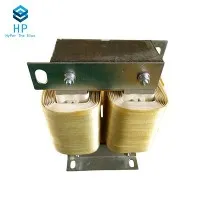

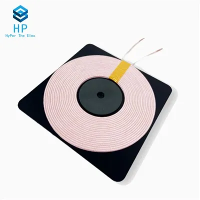

In the complex realm of power systems, ensuring transient stability is of paramount importance. Transient stability refers to the ability of a power system to maintain synchronism when subjected to large disturbances, such as short - circuits, sudden load changes, or generator outages. One crucial component that can significantly influence the transient stability of a power system is the Smoothing Reactor. As a leading Smoothing Reactor supplier, I am well - versed in the technology and its impacts on power system performance.
Understanding Smoothing Reactors
A Smoothing Reactor, as the name suggests, is designed to smooth out the ripple in direct current (DC) circuits. In high - voltage direct current (HVDC) transmission systems, which are becoming increasingly important for long - distance power transfer, Smoothing Reactors play a vital role. They are typically connected in series with the DC line.
The basic principle behind a Smoothing Reactor lies in its inductive property. Inductors oppose changes in current. When there are rapid fluctuations in the DC current, the Smoothing Reactor resists these changes, thus reducing the ripple content. This results in a more stable DC current flow, which is essential for the proper operation of HVDC converters and other equipment in the power system. You can learn more about Smoothing Reactors on our website: Smoothing Reactor.
Influence on Power System Transient Stability
1. Damping of Oscillations
One of the primary ways a Smoothing Reactor affects transient stability is by damping power system oscillations. When a large disturbance occurs in the power system, generators may start to oscillate due to the imbalance between mechanical input and electrical output. These oscillations can lead to loss of synchronism if not properly damped.
The Smoothing Reactor, with its inductive impedance, can absorb and dissipate energy during these oscillations. As the current in the system changes during the oscillatory process, the inductor stores and releases energy in a way that counteracts the oscillatory behavior. This helps to reduce the amplitude of the oscillations and allows the power system to recover more quickly to a stable operating state.
2. Limiting Fault Currents
In the event of a fault in the power system, such as a short - circuit, the Smoothing Reactor can act as a current - limiting device. Similar to a Current Limiting Reactor, it restricts the flow of excessive fault current. By limiting the fault current, the Smoothing Reactor reduces the stress on other components in the power system, such as circuit breakers and transformers.
During a fault, a large fault current can cause rapid voltage drops and may lead to instability in the power system. The Smoothing Reactor helps to maintain a more stable voltage profile by reducing the magnitude of the fault current. This is crucial for the transient stability of the system, as it allows the protection devices to operate properly and isolate the fault without causing a widespread collapse of the power system.
3. Improving Converter Performance
In HVDC systems, the Smoothing Reactor is closely associated with the operation of converters. Converters are used to convert AC power to DC power and vice versa. During transient events, the performance of converters can be severely affected.
The Smoothing Reactor helps to improve the converter's performance by providing a more stable DC current. A stable DC current is essential for the proper operation of the converter valves. It reduces the risk of valve commutation failures, which can lead to power system instability. By ensuring the smooth operation of converters, the Smoothing Reactor indirectly contributes to the overall transient stability of the HVDC power system.
4. Enhancing System Resilience
The presence of a Smoothing Reactor in the power system enhances its resilience to various disturbances. It provides an additional layer of protection and control, allowing the power system to better withstand sudden changes in load, generator outages, or other unforeseen events.
For example, in a multi - terminal HVDC system, the Smoothing Reactor can help to balance the power flow between different terminals. When there is a change in power demand at one terminal, the Smoothing Reactor can assist in redistributing the power in a more stable manner, preventing overloading of other parts of the system and maintaining transient stability.
Comparison with Other Reactors
It is worth comparing the Smoothing Reactor with other types of reactors, such as Current Limiting Reactors and Balancing Reactors. While all these reactors have a role in power system protection and control, they serve different primary functions.
Current Limiting Reactors are mainly designed to limit the fault current during short - circuits. Their main focus is on protecting the power system equipment from excessive current damage. Balancing Reactors, on the other hand, are used to balance the current between different phases or branches in a power system.
The Smoothing Reactor, however, has a unique role in smoothing the DC current and indirectly influencing transient stability through its effects on oscillations, converter performance, and fault current limitation. It is an essential component in HVDC systems, where maintaining a stable DC current is crucial for the overall operation of the power system.
Practical Considerations for Using Smoothing Reactors
When considering the use of Smoothing Reactors in a power system, several practical factors need to be taken into account.
1. Rating Selection
The rating of the Smoothing Reactor, including its inductance value and current - carrying capacity, must be carefully selected based on the specific requirements of the power system. An undersized reactor may not be able to effectively smooth the DC current or limit the fault current, while an oversized reactor can lead to unnecessary losses and increased costs.
2. Location
The location of the Smoothing Reactor in the power system is also critical. It is typically placed in series with the DC line, close to the HVDC converter stations. This ensures that it can have the maximum impact on the DC current flow and the performance of the converters.


3. Maintenance
Like any other power system component, Smoothing Reactors require regular maintenance. This includes checking for insulation integrity, monitoring the temperature, and ensuring proper connection. Regular maintenance helps to ensure the long - term reliability and performance of the Smoothing Reactor, which is essential for the transient stability of the power system.
Conclusion
In conclusion, the Smoothing Reactor plays a crucial role in the transient stability of power systems, especially in HVDC transmission systems. Its ability to damp oscillations, limit fault currents, improve converter performance, and enhance system resilience makes it an indispensable component.
As a Smoothing Reactor supplier, we understand the importance of providing high - quality reactors that meet the specific needs of our customers. Our products are designed and manufactured to the highest standards, ensuring reliable operation and optimal performance in power systems.
If you are interested in learning more about our Smoothing Reactors or are considering purchasing them for your power system, we encourage you to contact us for a detailed discussion. Our team of experts is ready to assist you in selecting the right reactor for your application and ensuring its seamless integration into your power system.
References
- Kundur, P. (1994). Power System Stability and Control. McGraw - Hill.
- Hingorani, N. G., & Gyugyi, L. (2000). Understanding FACTS: Concepts and Technology of Flexible AC Transmission Systems. IEEE Press.
- Ekanayake, J. B., & Jenkins, N. (2004). Distributed Generation: Technology, Modeling and Impact on the Grid. Wiley.