


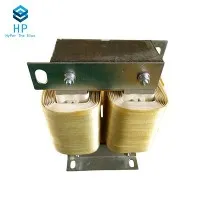

Electromagnetic compatibility (EMC) is a critical aspect when it comes to variable reactors. As a supplier of variable reactors, we understand the significance of meeting strict EMC requirements to ensure the proper functioning of these devices in various electrical systems. In this blog, we will delve into the electromagnetic compatibility requirements for a variable reactor and explain why they are essential for our customers.
Understanding Electromagnetic Compatibility
Electromagnetic compatibility refers to the ability of an electrical device to function properly in its electromagnetic environment without causing interference to other devices and without being affected by the electromagnetic emissions of other devices. For variable reactors, which are used in a wide range of applications such as power systems, industrial equipment, and renewable energy installations, EMC is of utmost importance.
Variable reactors are designed to control the flow of electrical current by adjusting their reactance. This adjustment can generate electromagnetic fields that may interfere with other sensitive equipment in the vicinity. Additionally, variable reactors may be vulnerable to electromagnetic interference (EMI) from other sources, which can affect their performance and reliability. Therefore, ensuring EMC is crucial to prevent malfunctions, reduce downtime, and comply with regulatory standards.
EMC Requirements for Variable Reactors
1. Emission Requirements
- Conducted Emissions: Variable reactors must meet limits on conducted emissions, which are electromagnetic disturbances that are carried along power and signal lines. These emissions can cause interference to other equipment connected to the same power source. To comply with conducted emission requirements, variable reactors are typically equipped with filters to suppress high - frequency noise. For example, low - pass filters can be used to attenuate frequencies above a certain cutoff point, reducing the amount of conducted EMI injected into the power system.
- Radiated Emissions: Radiated emissions are electromagnetic waves that are emitted into the surrounding space. Variable reactors can generate radiated emissions due to their electrical and magnetic fields. To meet radiated emission requirements, proper shielding techniques are employed. Shielding can be achieved using conductive enclosures that prevent the escape of electromagnetic fields. The design of the variable reactor's coils and windings also plays a crucial role in minimizing radiated emissions. For instance, using twisted pairs of wires can help cancel out the magnetic fields and reduce radiation.
2. Immunity Requirements
- Electrostatic Discharge (ESD) Immunity: Variable reactors should be able to withstand electrostatic discharges without malfunctioning. ESD can occur when a charged object comes into contact with the reactor or when there is a sudden build - up and release of static electricity in the environment. To enhance ESD immunity, measures such as ESD protection circuits and proper grounding are implemented. These protection circuits can divert the high - voltage ESD pulses away from the sensitive components of the variable reactor.
- Radiated Immunity: Variable reactors need to be immune to radiated electromagnetic fields from external sources such as radio transmitters, microwave ovens, and other electrical equipment. This is achieved by designing the reactor with proper electromagnetic shielding and filtering. The shielding material and its thickness are carefully selected to provide adequate attenuation of the radiated fields. Additionally, the internal circuitry of the variable reactor is designed to be less susceptible to the influence of these radiated fields.
- Electrical Fast Transient/Burst (EFT/B) Immunity: EFT/B consists of short - duration, high - frequency electrical transients that can be generated by switching operations in the power system. Variable reactors must be able to withstand these transients without suffering from performance degradation. Special protection circuits, such as transient suppressors, are used to clamp the voltage spikes caused by EFT/B and prevent them from damaging the reactor's components.
Impact of Meeting EMC Requirements
Meeting the EMC requirements for variable reactors has several benefits for both our company as a supplier and our customers.
- Reliability: By ensuring EMC, variable reactors are less likely to malfunction due to electromagnetic interference. This leads to increased reliability and reduced downtime, which is crucial for industrial and power system applications. For example, in a power grid, a reliable variable reactor can help maintain stable voltage levels and prevent power outages.
- Compliance: Many countries and regions have strict EMC regulations that electrical equipment must meet. By providing variable reactors that comply with these regulations, we enable our customers to avoid legal issues and ensure the smooth operation of their systems.
- Compatibility: Variable reactors that meet EMC requirements can be easily integrated into existing electrical systems without causing interference to other equipment. This makes them more versatile and suitable for a wider range of applications.
Types of Variable Reactors and Their EMC Considerations
There are different types of variable reactors, such as Saturated Reactor, Series Resonant Reactor, and Output Reactor. Each type has its own unique EMC considerations.
- Saturated Reactor: Saturated reactors operate based on the principle of magnetic saturation. The non - linear magnetic characteristics of the core can generate harmonic currents and electromagnetic interference. Therefore, special attention needs to be paid to filtering and shielding to meet EMC requirements.
- Series Resonant Reactor: Series resonant reactors are used in resonant circuits. They can generate high - frequency resonance, which may lead to increased electromagnetic emissions. Proper design and tuning of the resonant circuit, along with appropriate EMC protection measures, are necessary to ensure compliance.
- Output Reactor: Output reactors are often used to protect motors and other loads from voltage spikes and electromagnetic interference. They need to have good EMC performance to prevent these disturbances from being transmitted to the connected equipment.
Design and Testing for EMC Compliance
At our company, we follow a rigorous design and testing process to ensure that our variable reactors meet the EMC requirements.
- Design Stage: During the design stage, we use simulation tools to predict the electromagnetic behavior of the variable reactor. This allows us to optimize the design of the coils, windings, and shielding to minimize emissions and enhance immunity. We also select high - quality components that are known for their good EMC performance.
- Testing Stage: After the prototype is built, it undergoes comprehensive EMC testing. We use specialized testing equipment such as spectrum analyzers and EMC test chambers to measure the emissions and immunity of the variable reactor. If the test results do not meet the requirements, we make necessary adjustments to the design until compliance is achieved.
Conclusion and Call to Action
As a supplier of variable reactors, we are committed to providing high - quality products that meet the strictest EMC requirements. Our variable reactors are designed and tested to ensure reliable operation in various electromagnetic environments. Whether you are in the power generation, industrial manufacturing, or renewable energy sector, our variable reactors can provide you with the flexibility and performance you need, while also ensuring electromagnetic compatibility.


If you are interested in learning more about our variable reactors or have specific EMC requirements for your application, we encourage you to contact us for a detailed discussion. Our team of experts is ready to assist you in finding the best solution for your needs. We look forward to the opportunity to work with you and contribute to the success of your projects.
References
- "Electromagnetic Compatibility Engineering" by Henry W. Ott.
- International Electrotechnical Commission (IEC) standards related to EMC for electrical equipment.
- National regulatory standards for EMC in different countries.