




When it comes to operating electronic devices in high - temperature environments, the choice of a filter inductor is crucial. As a Filter Inductor supplier, I've witnessed firsthand the challenges that engineers and designers face in making the right selection. In this blog, I'll share some insights on how to choose a filter inductor for a high - temperature environment.
Understanding the Impact of High Temperatures on Filter Inductors
High temperatures can have several adverse effects on filter inductors. First and foremost, the electrical properties of the inductor can change. The inductance value may drift, which can significantly affect the performance of the filtering circuit. For example, a slight change in inductance can lead to a shift in the cut - off frequency of a low - pass or high - pass filter, reducing its ability to block unwanted frequencies.
Secondly, high temperatures can cause the resistance of the inductor's winding to increase. This is due to the positive temperature coefficient of the conductor material. As the resistance goes up, the power dissipation in the inductor also increases, leading to further heating. This self - heating effect can create a vicious cycle, potentially causing the inductor to overheat and fail.
Finally, the mechanical properties of the inductor can be compromised at high temperatures. The insulation materials used in the winding may degrade, increasing the risk of short - circuits. The core material may also experience thermal expansion, which can lead to mechanical stress and eventually damage the inductor.
Key Considerations for Selecting a Filter Inductor in a High - Temperature Environment
1. Core Material
The core material of a filter inductor plays a vital role in its performance at high temperatures. Different core materials have different temperature characteristics.
- Ferrite Cores: Ferrite is a popular choice for filter inductors due to its high magnetic permeability. However, ferrite cores have a relatively low Curie temperature, above which the magnetic properties degrade rapidly. For high - temperature applications, special high - temperature ferrite materials are available. These ferrites are designed to maintain their magnetic properties up to higher temperatures, typically in the range of 120 - 150°C or even higher.
- Powdered Iron Cores: Powdered iron cores are known for their excellent temperature stability. They have a relatively flat inductance - temperature curve, which means that the inductance value changes very little with temperature. Powdered iron cores can also handle high - current densities without significant saturation, making them suitable for high - power applications in high - temperature environments.
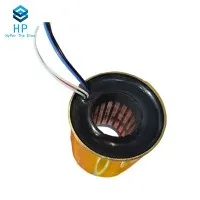
- Toroidal Inductors: Toroidal Inductors often use high - quality core materials. The toroidal shape provides a more efficient magnetic path, reducing electromagnetic interference (EMI). Some toroidal inductors are specifically designed for high - temperature use, with core materials that can withstand extreme heat.
2. Winding Material
The choice of winding material is also important. Copper is the most commonly used material for inductor windings due to its low resistivity. However, in high - temperature environments, copper can oxidize, which increases its resistance. To mitigate this, copper windings can be coated with a protective layer, such as tin or silver.
Aluminum is another option for winding material. It has a lower density than copper, which can result in a lighter inductor. Aluminum also has a higher resistance than copper, but it can be a cost - effective alternative in some applications. Additionally, aluminum is more resistant to oxidation at high temperatures compared to copper.
3. Thermal Management
Proper thermal management is essential for the reliable operation of a filter inductor in a high - temperature environment. There are several ways to improve thermal management:


- Heat Sinks: Adding a heat sink to the inductor can help dissipate heat more effectively. Heat sinks are typically made of materials with high thermal conductivity, such as aluminum. They increase the surface area of the inductor, allowing heat to transfer more easily to the surrounding environment.
- Ventilation: Ensuring proper ventilation around the inductor can also help reduce its temperature. This can be achieved by designing the enclosure with vents or using fans to circulate air.
- Thermal Resistance: When selecting a filter inductor, it's important to consider its thermal resistance. A lower thermal resistance means that the inductor can transfer heat more efficiently to the environment, reducing its operating temperature.
4. Inductance and Current Rating
The inductance value and current rating of the filter inductor must be carefully selected based on the requirements of the circuit. In a high - temperature environment, the inductor's performance may degrade, so it's advisable to choose an inductor with a slightly higher inductance and current rating than the nominal requirements. This provides a safety margin and ensures that the inductor can operate reliably even under adverse conditions.
Types of Filter Inductors Suitable for High - Temperature Environments
1. Filter Inductor
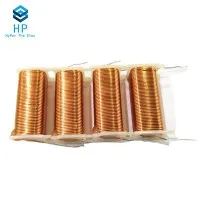
Filter inductors are designed to filter out unwanted frequencies in a circuit. They can be used in a variety of applications, such as power supplies, audio systems, and communication devices. When choosing a filter inductor for a high - temperature environment, it's important to select one with a high - temperature - rated core and winding materials.
2. Coil Inductor
Coil inductors are simple in design and are often used in low - power applications. They can be made with different core materials, such as ferrite or powdered iron. For high - temperature applications, coil inductors with high - temperature - resistant core and winding materials should be selected.
Testing and Validation
Before finalizing the selection of a filter inductor for a high - temperature environment, it's important to conduct testing and validation. This can involve subjecting the inductor to high - temperature conditions in a laboratory setting and monitoring its performance. Parameters such as inductance, resistance, and temperature rise should be measured and compared to the specifications.
It's also advisable to perform long - term reliability testing to ensure that the inductor can withstand continuous operation at high temperatures without degradation. This can help identify any potential issues early on and allow for adjustments to be made to the design or the selection of the inductor.
Conclusion
Choosing the right filter inductor for a high - temperature environment is a complex but critical task. By considering factors such as core material, winding material, thermal management, inductance, and current rating, engineers and designers can select an inductor that will perform reliably in challenging conditions.
As a Filter Inductor supplier, we have a wide range of products that are specifically designed for high - temperature applications. Our team of experts can provide you with technical support and guidance to help you make the best choice for your project. If you're interested in learning more about our filter inductors or have specific requirements for your high - temperature application, we invite you to contact us for a detailed discussion and procurement negotiation.
References
- "Magnetic Components for Power Electronics" by Ned Mohan
- "High - Temperature Electronics: Design and Applications" by David A. Witzke