



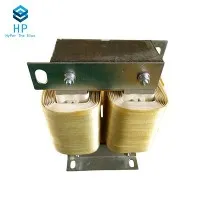

Hey there! As a supplier of Hollow Coils, I've dealt with all sorts of issues related to these nifty little components. Today, I'm gonna share with you how to detect and repair a failed hollow coil.
What is a Hollow Coil?
First off, let's quickly go over what a hollow coil is. A Hollow Coil is a type of electromagnetic coil that doesn't have a ferromagnetic core. This means it's just a coil of wire wound around a hollow space. They're used in a bunch of different applications, like in radio frequency circuits, induction heating, and even in some types of sensors.
Detecting a Failed Hollow Coil
So, how do you know if your hollow coil is kaput? Well, there are a few tell - tale signs.
Visual Inspection
The first thing you should do is give the coil a good look. Check for any obvious signs of damage, like broken wires, burnt insulation, or signs of overheating. Sometimes, if the coil has been subjected to high currents or extreme temperatures, the insulation on the wire can melt or char. If you see any blackened areas or exposed wire, that's a pretty clear indication that something's wrong.
Resistance Testing
Another way to check if a coil is working is by measuring its resistance. You'll need a multimeter for this. Set the multimeter to the resistance (ohms) setting and connect the probes to the two ends of the coil. A healthy hollow coil should have a specific resistance value, which you can usually find in the coil's datasheet. If the resistance is way off from the specified value, either too high or too low, it could mean that the coil is damaged. A very high resistance might indicate a broken wire, while a very low resistance could be a sign of a short circuit within the coil.
Inductance Testing
Inductance is another important property of a hollow coil. You can use an LCR meter to measure the inductance of the coil. Just like with resistance, the inductance value should match the specifications in the datasheet. If the measured inductance is significantly different from the expected value, the coil might be faulty.
Functionality Testing
If you have a circuit that uses the hollow coil, you can also test the coil's functionality within the circuit. If the circuit isn't working as it should, and you've ruled out other components, the coil could be the culprit. For example, if you're using a hollow coil in a radio frequency circuit and you're not getting the right signal strength or frequency response, the coil might be the problem.
Common Causes of Hollow Coil Failure
Now that we know how to detect a failed coil, let's talk about what causes these failures in the first place.
Overcurrent
One of the most common causes of coil failure is overcurrent. If the coil is subjected to a current that's higher than its rated value, it can overheat and damage the insulation on the wire. This can lead to short circuits or open circuits within the coil. Overcurrent can be caused by a variety of factors, such as a power supply issue, a malfunctioning circuit component, or incorrect wiring.
Overheating
High temperatures can also cause problems for hollow coils. If the coil is located in an area with poor ventilation or if it's being used in an application where it generates a lot of heat, the insulation on the wire can break down over time. This can lead to short circuits and other issues.
Mechanical Damage
Physical damage to the coil can also cause it to fail. This can happen if the coil is dropped, bumped, or subjected to excessive vibration. Mechanical damage can break the wire or damage the insulation, leading to a loss of functionality.
Environmental Factors
Environmental factors like humidity, dust, and chemicals can also affect the performance of a hollow coil. For example, if the coil is exposed to high levels of humidity, the insulation on the wire can absorb moisture, which can lead to corrosion and a decrease in the coil's performance.
Repairing a Failed Hollow Coil
Once you've detected that a coil is failed, the next step is to try and repair it. Here are some repair methods depending on the type of damage.
Broken Wire Repair
If the coil has a broken wire, you might be able to repair it by splicing the wire back together. First, you'll need to identify the break in the wire. Then, strip the insulation from the two ends of the broken wire. Next, twist the two ends of the wire together tightly and solder them. After soldering, make sure to insulate the repaired area with electrical tape or heat - shrink tubing.
Insulation Repair
If the insulation on the wire is damaged, you can try to repair it. For minor damage, you can use electrical tape to cover the exposed wire. For more extensive damage, you might need to use heat - shrink tubing. Slide the heat - shrink tubing over the damaged area and use a heat gun to shrink it. This will provide a new layer of insulation.
Rewinding the Coil
In some cases, if the damage is too severe, you might need to rewind the coil. This is a more advanced repair method and requires some skill and the right tools. You'll need to remove the old wire from the coil form and then wind new wire around it. Make sure to wind the wire in the same direction and with the same number of turns as the original coil.


When to Replace a Hollow Coil
Sometimes, it's just not worth trying to repair a failed hollow coil. If the damage is too extensive, or if the coil is old and has been used for a long time, it might be better to replace it. Here are some situations where replacement is a good idea:
Multiple Failures
If the coil has failed multiple times, even after repairs, it's likely that there's a fundamental problem with the coil or the application. In this case, it's probably best to replace the coil with a new one.
Outdated Technology
If the coil is using outdated technology or has been superseded by newer, more reliable models, it might be a good idea to upgrade to a new coil. Newer coils often have better performance, higher reliability, and longer lifespans.
Related Coils
There are also other types of coils that are related to hollow coils. For example, Encapsulated Coils are similar to hollow coils, but they have an outer encapsulation that provides additional protection against environmental factors. Solenoid Valve Coils are used to control the opening and closing of solenoid valves and have their own unique characteristics.
Conclusion
Detecting and repairing a failed hollow coil isn't always easy, but with the right tools and knowledge, it can be done. By following the steps I've outlined in this blog post, you should be able to identify the problem with your coil and decide whether to repair or replace it.
If you're in the market for high - quality hollow coils or need more information about coil detection and repair, feel free to reach out to us. We're here to help you with all your coil needs and can offer expert advice on choosing the right coil for your application.
References
- Electrical Engineering Handbook, Third Edition
- Coil Design and Application Handbook