




What is the inductance tolerance of a PFC inductor?
As a supplier of PFC inductors, I often receive inquiries from customers regarding the inductance tolerance of these crucial components. In this blog post, I will delve into the concept of inductance tolerance in PFC inductors, its significance, and how it impacts the performance of power factor correction circuits.
Understanding Inductance and PFC Inductors
Before we discuss inductance tolerance, let's first understand what inductance is and the role of PFC inductors. Inductance is a property of an electrical conductor that opposes a change in the electric current flowing through it. It is measured in henries (H) and is denoted by the symbol L. An inductor is a passive electrical component that stores energy in a magnetic field when an electric current flows through it.
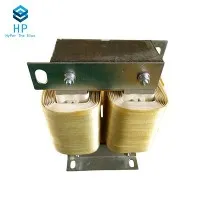
Power factor correction (PFC) inductors are specifically designed to improve the power factor of electrical systems. In many electrical devices, the input current does not follow the input voltage waveform exactly, resulting in a power factor less than 1. A low power factor can lead to increased energy consumption, higher electricity bills, and reduced efficiency of the electrical system. PFC inductors are used to correct this issue by storing and releasing energy at the right time, ensuring that the current waveform closely follows the voltage waveform, thereby improving the power factor.
What is Inductance Tolerance?
Inductance tolerance refers to the allowable deviation of the actual inductance value of an inductor from its specified or nominal value. It is expressed as a percentage or a specific range of values. For example, if a PFC inductor has a nominal inductance of 1 mH with a tolerance of ±5%, the actual inductance value of the inductor can range from 0.95 mH to 1.05 mH.
Inductance tolerance is an important parameter because it can affect the performance of the PFC circuit. If the actual inductance value is significantly different from the nominal value, it can lead to sub - optimal power factor correction, increased harmonic distortion, and reduced efficiency of the electrical system.
Factors Affecting Inductance Tolerance
Several factors can affect the inductance tolerance of a PFC inductor:


- Manufacturing Process: The manufacturing process of inductors involves winding a coil of wire around a core material. Variations in the number of turns, the pitch of the winding, and the quality of the core material can all contribute to variations in inductance. For example, if the number of turns in the coil is not consistent during the winding process, it can lead to differences in the inductance value.
- Core Material Properties: The core material used in the inductor plays a crucial role in determining its inductance. Different core materials have different magnetic properties, and variations in these properties can affect the inductance. For instance, changes in the permeability of the core material due to temperature, humidity, or manufacturing variations can cause the inductance to deviate from the nominal value.
- Temperature: Temperature can also have a significant impact on the inductance of a PFC inductor. As the temperature changes, the physical properties of the core material and the wire can change, leading to a change in inductance. Most inductors have a temperature coefficient of inductance (TCI), which indicates how much the inductance changes with temperature.
Importance of Selecting the Right Inductance Tolerance
Selecting the right inductance tolerance for a PFC inductor is crucial for the proper functioning of the power factor correction circuit. Here are some reasons why:
- Optimal Power Factor Correction: A PFC circuit is designed based on a specific nominal inductance value. If the inductance tolerance is too large, the actual inductance value may deviate significantly from the design value, resulting in poor power factor correction. This can lead to increased energy consumption and reduced efficiency of the electrical system.
- Compliance with Standards: Many electrical standards and regulations specify limits on the harmonic distortion and power factor of electrical equipment. Using a PFC inductor with the appropriate inductance tolerance helps ensure that the equipment complies with these standards.
- System Stability: An inductor with an incorrect inductance value can cause instability in the PFC circuit. It can lead to oscillations, increased electromagnetic interference (EMI), and even damage to other components in the electrical system.
How We Ensure Inductance Tolerance in Our PFC Inductors
As a PFC inductor supplier, we take several measures to ensure that our inductors have a tight inductance tolerance:
- Quality Manufacturing Processes: We use advanced manufacturing techniques and equipment to ensure consistent winding of the coils and precise control of the manufacturing parameters. Our production lines are equipped with automated winding machines that can accurately control the number of turns and the pitch of the winding, reducing variations in inductance.
- High - Quality Core Materials: We source high - quality core materials from reliable suppliers. Before using the core materials in our inductors, we conduct thorough quality checks to ensure that their magnetic properties meet our specifications. This helps minimize the impact of core material variations on the inductance tolerance.
- Testing and Calibration: After the manufacturing process, each PFC inductor is tested using state - of - the - art testing equipment. We measure the inductance value of the inductor and compare it with the nominal value. If the inductance value is outside the specified tolerance range, the inductor is either adjusted or rejected.
Related Inductors in the Market
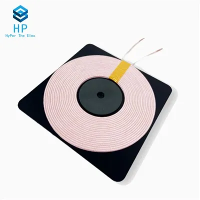
In addition to PFC inductors, there are other types of inductors available in the market that are used for different applications. For example, Filter Inductor is used to filter out unwanted frequencies in electrical circuits, and Coil Inductor is a basic type of inductor that can be used in various electrical and electronic applications. If you are interested in learning more about these inductors, you can click on the links for detailed information.
Conclusion
In conclusion, inductance tolerance is a critical parameter for PFC inductors. It can significantly affect the performance of the power factor correction circuit and the overall efficiency of the electrical system. As a PFC inductor supplier, we understand the importance of providing inductors with tight inductance tolerances. We use advanced manufacturing processes, high - quality materials, and rigorous testing to ensure that our PFC inductors meet the highest standards of quality and performance.
If you are in the market for PFC inductors or need more information about our products, we encourage you to contact us for procurement and further discussions. We are committed to providing you with the best - suited PFC inductors for your specific applications.
References
- "Power Electronics: Converters, Applications, and Design" by Ned Mohan, Tore M. Undeland, and William P. Robbins.
- "Inductors and Transformers for Power Electronics" by Marian K. Kazimierczuk.
- Industry standards and specifications related to power factor correction and inductors.