




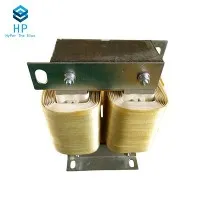

In the realm of electronic components, toroidal inductors stand out as crucial elements, finding applications in a wide array of devices and systems. As a leading supplier of toroidal inductors, I understand the significance of adhering to high - quality standards. In this blog, I will delve into the various quality standards for toroidal inductors, which are essential for ensuring their optimal performance and reliability.
Electrical Performance Standards
Inductance Value
The inductance value is one of the most fundamental parameters of a toroidal inductor. It is measured in henries (H) and represents the ability of the inductor to store energy in a magnetic field. The specified inductance value must be within a certain tolerance range. For example, in many applications, a tolerance of ±5% or ±10% is commonly acceptable. Our toroidal inductors are carefully designed and manufactured to meet these strict tolerance requirements. Precise inductance values are crucial for the proper functioning of circuits, as even a small deviation can lead to significant changes in the overall performance of the electronic device.
Q - Factor
The Q - factor, or quality factor, is a measure of the efficiency of an inductor. It is defined as the ratio of the reactance of the inductor to its resistance at a given frequency. A high Q - factor indicates low losses in the inductor, which is desirable in applications such as resonant circuits. For toroidal inductors, a high Q - factor can be achieved through careful selection of core materials and winding techniques. Our toroidal inductors are engineered to have high Q - factors, ensuring efficient energy transfer and minimal power loss.


DC Resistance (DCR)
The DC resistance of a toroidal inductor is the resistance measured when a direct current (DC) is applied. Low DCR is important because it reduces power dissipation in the inductor, which in turn helps to minimize heat generation. Excessive heat can degrade the performance of the inductor and other components in the circuit. We use high - conductivity materials for the winding of our toroidal inductors to keep the DCR as low as possible, thereby enhancing the overall efficiency of the device.
Mechanical and Physical Standards
Core Material and Structure
The core material of a toroidal inductor plays a vital role in determining its performance. Common core materials include ferrite, powdered iron, and laminated cores. Each material has its own unique properties, such as magnetic permeability, saturation flux density, and temperature stability. For example, ferrite cores are known for their high magnetic permeability and low core losses at high frequencies, making them suitable for applications such as PFC Inductor and Filter Inductor. The structure of the core, including its shape and size, also affects the inductor's performance. Our toroidal inductors are designed with carefully selected core materials and optimized core structures to meet the specific requirements of different applications.
Winding Quality
The winding of a toroidal inductor must be precise and uniform. Uneven winding can lead to variations in inductance and other electrical parameters. We use advanced winding techniques to ensure that the turns are evenly spaced and tightly wound. This not only improves the electrical performance of the inductor but also enhances its mechanical stability. The quality of the insulation of the winding is also crucial. Proper insulation prevents short - circuits between turns and protects the inductor from environmental factors such as moisture and dust.
Size and Mounting
The size of a toroidal inductor is an important consideration, especially in applications where space is limited. Our toroidal inductors are available in a variety of sizes to meet different space requirements. In addition, the mounting method of the inductor must be reliable and secure. We offer different mounting options, such as through - hole and surface - mount, to ensure easy integration into various circuit boards.
Environmental and Safety Standards
Temperature Range
Toroidal inductors must be able to operate within a specified temperature range. Extreme temperatures can affect the performance of the inductor, such as changing its inductance value and increasing its losses. Our toroidal inductors are designed to operate over a wide temperature range, typically from - 40°C to +125°C or even higher in some cases. This ensures their reliability in different environmental conditions.
Humidity and Moisture Resistance
Moisture can cause corrosion of the winding and core materials, which can degrade the performance of the inductor. Our toroidal inductors are treated with special coatings and encapsulation techniques to provide excellent humidity and moisture resistance. This helps to extend the lifespan of the inductor and maintain its performance in humid environments.
Safety and Compliance
Our toroidal inductors comply with various safety standards, such as UL (Underwriters Laboratories) and CE (Conformité Européene). These standards ensure that the inductors are safe to use in electrical and electronic devices. We conduct rigorous testing to ensure that our products meet all relevant safety requirements, giving our customers peace of mind.
Testing and Quality Control
In - Process Testing
During the manufacturing process, we conduct in - process testing at various stages to ensure the quality of the toroidal inductors. This includes testing the core material for its magnetic properties, checking the winding for its resistance and continuity, and verifying the inductance value at different frequencies. Any defective components are identified and removed from the production line to prevent them from reaching the final product.
Final Testing
Before the toroidal inductors are shipped to our customers, they undergo comprehensive final testing. This includes testing for all the electrical parameters, such as inductance, Q - factor, and DCR, as well as mechanical and environmental tests. Only the products that pass all the tests are considered qualified and ready for delivery.
In conclusion, the quality standards for toroidal inductors are multifaceted, covering electrical performance, mechanical and physical characteristics, environmental and safety aspects, and testing and quality control. As a professional toroidal inductor supplier, we are committed to meeting and exceeding these standards to provide our customers with high - quality products. If you are in need of toroidal inductors for your projects, whether it's for Coil Inductor applications or other specific requirements, please feel free to contact us for procurement and further discussions. We look forward to working with you to find the best solutions for your electronic component needs.
References
- Grover, F. W. (1946). Inductance Calculations: Working Formulas and Tables. Dover Publications.
- Terman, F. E. (1955). Electronic and Radio Engineering. McGraw - Hill.