


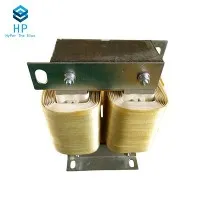

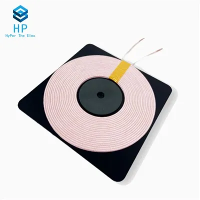

As a PFC inductor supplier, ensuring the reliability of our products is of paramount importance. Power Factor Correction (PFC) inductors play a crucial role in modern electrical circuits, and their reliable operation directly impacts the performance and lifespan of the entire electrical system. In this blog, we will delve into the key aspects of ensuring the reliability of PFC inductors.


Understanding the Role of PFC Inductors
Before discussing how to ensure their reliability, it's essential to understand the function of PFC inductors. PFC inductors are used in power supply circuits to improve the power factor, which is a measure of how effectively electrical power is converted into useful work output. A high power factor reduces energy losses and improves the overall efficiency of the power system. They work by smoothing the input current waveform, making it more sinusoidal and thus closer to the ideal for power transfer.
Quality of Materials
The quality of materials used in the manufacturing of PFC inductors is the foundation of their reliability. The core material, which is usually made of ferrite or powdered iron, significantly affects the inductor's performance.
- Ferrite Cores: Ferrite cores are popular due to their high magnetic permeability, which allows for a smaller inductor size. They also have low eddy current losses, making them suitable for high - frequency applications. However, ferrite cores can saturate at relatively low currents. As a supplier, we carefully select high - purity ferrite materials and use advanced manufacturing techniques to ensure consistent magnetic properties of the cores.
- Powdered Iron Cores: Powdered iron cores offer better saturation characteristics compared to ferrite cores. They can handle higher currents without saturating, making them ideal for high - power applications. We source powdered iron materials with uniform particle size and distribution to achieve stable inductance values across different operating conditions.
In addition to the core material, the wire used in the inductor winding is also critical. Copper wire is commonly used due to its high conductivity and low resistance. We use high - quality copper wire with appropriate insulation to prevent short - circuits and ensure long - term reliability. The insulation coating should be able to withstand high temperatures and environmental stresses.
Design Considerations
Proper design is another key factor in ensuring the reliability of PFC inductors.
- Inductance Value: The inductance value of the PFC inductor must be carefully calculated based on the specific application requirements. If the inductance is too low, the power factor improvement will be insufficient, and the inductor may overheat due to high - current surges. On the other hand, if the inductance is too high, the inductor may not be able to respond quickly enough to changes in the input current. Our engineering team uses advanced simulation tools to accurately predict the performance of the inductor and select the optimal inductance value.
- Temperature Rise: PFC inductors dissipate heat during operation, and excessive temperature rise can degrade the performance of the inductor and other components in the circuit. We design the inductor with sufficient surface area for heat dissipation and use materials with high thermal conductivity. For example, some of our inductors are equipped with heat - sinking structures or thermal - conductive encapsulation to transfer heat away from the core and windings more effectively.
- Magnetic Shielding: To prevent interference with other nearby components, magnetic shielding is often necessary. We incorporate magnetic shielding techniques in our inductor designs, such as using shielding materials or specific winding configurations. This helps to contain the magnetic field within the inductor and reduces the risk of electromagnetic interference (EMI).
Manufacturing Process Control
A strict manufacturing process is essential to ensure the consistency and reliability of PFC inductors.
- Winding Process: The winding process is a critical step in inductor manufacturing. Precise winding tension, layer - to - layer insulation, and winding direction are important factors that affect the inductor's performance. Our manufacturing facility uses automated winding machines to ensure high - precision winding. Quality control checks are performed at various stages of the winding process to detect any defects, such as broken wires or misaligned windings.
- Assembly and Encapsulation: After the winding is completed, the inductor is assembled and encapsulated. The encapsulation material provides mechanical protection and environmental protection for the inductor. We use high - quality encapsulation materials that are resistant to moisture, dust, and chemicals. During the assembly process, we follow strict procedures to ensure proper alignment of the core and windings and secure connections between the terminals.
Testing and Validation
Thorough testing and validation are necessary to guarantee the reliability of PFC inductors.
- Electrical Testing: We perform a series of electrical tests on each inductor, including measuring the inductance value, DC resistance, and quality factor. These tests are carried out using precision testing equipment to ensure that the inductor meets the specified performance requirements. Any inductor that fails to meet the standards is rejected.
- Environmental Testing: PFC inductors may be exposed to various environmental conditions in real - world applications. We subject our inductors to environmental testing, such as temperature cycling, humidity testing, and thermal shock testing. These tests simulate the inductor's performance under different environmental stresses and help us identify any potential reliability issues.
- Life - Cycle Testing: To ensure the long - term reliability of our inductors, we conduct life - cycle testing. This involves operating the inductor under normal and accelerated conditions for an extended period. By analyzing the inductor's performance over time, we can predict its lifespan and make improvements to the design or manufacturing process if necessary.
Comparison with Other Types of Inductors
It's also beneficial to compare PFC inductors with other types of inductors, such as Filter Inductor, Coil Inductor, and Toroidal Inductors. While Filter inductors are mainly used for filtering out unwanted frequencies in a circuit, PFC inductors focus on power factor correction. Coil inductors are a more general term, and PFC inductors can be considered a specific type of coil inductor designed for a particular purpose. Toroidal inductors have a unique toroidal shape, which provides better magnetic coupling and lower electromagnetic interference. PFC inductors may use different core shapes and designs depending on the application, but they all share the common goal of improving power factor.
Ensuring Operational Reliability
Once the PFC inductors are installed in the system, there are also some factors to consider to ensure their continued reliability.
- Proper Cooling: Adequate cooling is crucial for the long - term operation of PFC inductors. In high - power applications, additional cooling methods such as fans or heat pipes may be required. It's important for users to follow the manufacturer's recommendations regarding cooling requirements.
- Over - Current and Over - Voltage Protection: The electrical system should be equipped with over - current and over - voltage protection devices to prevent damage to the PFC inductors. These protection devices can quickly detect abnormal current or voltage levels and take appropriate measures to protect the inductor.
Why Choose Our PFC Inductors
As a supplier, we are committed to providing high - reliability PFC inductors. Our strict quality control from material selection to final testing ensures that each inductor meets the highest standards. We also have a team of experienced engineers who can provide technical support and customized solutions based on our customers' specific needs.
If you are in need of reliable PFC inductors for your projects, we encourage you to contact us. Whether you are working on a small - scale electronic device or a large - scale industrial power system, our PFC inductors can provide the performance and reliability you require. Let's start a conversation to discuss your specific requirements and find the best PFC inductor solutions for you.
References
- [1] Handbook of Inductors and Transformers for Power Electronics, By Marian K. Kazimierczuk
- [2] Electrical Engineer's Reference Book, By W. M. Holmes