


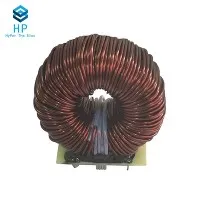


Hey there! As a supplier of Smoothing Reactors, I've been getting a lot of questions lately about the anti - interference requirements for these nifty pieces of equipment. So, I thought I'd sit down and share some insights on this topic.
First off, let's quickly understand what a Smoothing Reactor is. A Smoothing Reactor is an essential component in electrical systems, especially in DC circuits. It helps to smooth out the current flow, reducing ripple and ensuring a more stable electrical output. But just like any other electrical device, it's not immune to interference.
Electromagnetic Interference (EMI)
One of the most common types of interference that a Smoothing Reactor has to deal with is Electromagnetic Interference. EMI can come from a variety of sources, such as nearby electrical equipment, power lines, or even radio frequency emissions.
When it comes to anti - EMI requirements, the Smoothing Reactor needs to be designed with proper shielding. We use high - quality conductive materials to create a shield around the reactor core. This shield acts as a barrier, preventing external electromagnetic fields from interfering with the internal operation of the reactor.
Another important aspect is the grounding of the Smoothing Reactor. A good grounding system helps to divert any unwanted electrical currents that might be induced by EMI. We make sure that our reactors are grounded properly, following all the relevant safety and electrical codes.
Radio Frequency Interference (RFI)
RFI is another type of interference that can affect the performance of a Smoothing Reactor. It typically occurs in the radio frequency range and can be caused by things like wireless communication devices, microwave ovens, or even lightning.
To combat RFI, we incorporate special filters in our Smoothing Reactors. These filters are designed to block or attenuate radio frequency signals while allowing the desired DC current to pass through. The filters are carefully selected and calibrated based on the specific application and the expected RFI levels in the environment where the reactor will be installed.
Power System Interference
Power system interference can also pose a challenge for Smoothing Reactors. This can include voltage sags, surges, and harmonics in the power supply.
Voltage sags and surges can cause the Smoothing Reactor to operate outside of its normal range, potentially leading to damage. To protect against these, we design our reactors with over - voltage and under - voltage protection mechanisms. These mechanisms can detect abnormal voltage levels and take appropriate action, such as disconnecting the reactor from the power supply if necessary.
Harmonics in the power supply can distort the current waveform and affect the performance of the Smoothing Reactor. We use advanced harmonic filtering techniques to reduce the impact of harmonics. This not only helps the reactor to function properly but also improves the overall power quality of the system.
Environmental Interference
The environment in which the Smoothing Reactor is installed can also introduce interference. For example, in industrial settings, there might be a lot of dust, moisture, or temperature variations.
Dust can accumulate on the surface of the reactor, which can affect its cooling efficiency and potentially lead to overheating. We design our reactors with dust - resistant enclosures and proper ventilation systems to prevent dust buildup.
Moisture can cause corrosion and electrical short - circuits. To protect against moisture, we use moisture - resistant materials in the construction of the reactor and seal it properly to prevent water ingress.
Temperature variations can also impact the performance of the Smoothing Reactor. We ensure that our reactors are designed to operate within a wide temperature range. They are equipped with thermal sensors that can monitor the temperature and adjust the operation of the reactor accordingly.
Comparison with Other Reactors
It's worth comparing the anti - interference requirements of a Smoothing Reactor with other types of reactors, such as Balancing Reactor and Flat Wave Reactor.
A Balancing Reactor is mainly used to balance the current in multi - phase systems. While it also needs to deal with some interference, its focus is more on current balancing. The anti - interference requirements for a Balancing Reactor are similar in terms of EMI and RFI protection, but the specific design and shielding might be different based on its application.
A Flat Wave Reactor, on the other hand, is used to flatten the waveform of the current. Similar to a Smoothing Reactor, it needs to be protected from various types of interference. However, the flat - wave function might require different filtering and control mechanisms to ensure accurate waveform shaping.
Importance of Meeting Anti - Interference Requirements
Meeting the anti - interference requirements is crucial for the proper operation of a Smoothing Reactor. If the reactor is not protected from interference, it can lead to a variety of problems.
Firstly, it can cause the reactor to malfunction, resulting in an unstable electrical output. This can affect the performance of other equipment connected to the same electrical system.
Secondly, interference can reduce the lifespan of the Smoothing Reactor. Unwanted electrical currents and electromagnetic fields can cause wear and tear on the components, leading to premature failure.
Finally, non - compliant reactors can pose safety risks. For example, if a reactor overheats due to interference - related issues, it can potentially cause a fire or an electrical shock.


Conclusion
In conclusion, the anti - interference requirements for a Smoothing Reactor are quite extensive. From EMI and RFI to power system and environmental interference, there are many factors to consider. As a supplier, we take these requirements very seriously and ensure that our Smoothing Reactors are designed and manufactured to meet the highest standards.
If you're in the market for a Smoothing Reactor and want to learn more about how our products can meet your anti - interference needs, don't hesitate to reach out. We're always happy to have a chat and discuss your specific requirements. Whether you're working on a small - scale project or a large industrial installation, we've got the right Smoothing Reactor for you.
References
- Electrical Engineering Handbook, various editions
- Industry standards for electrical reactors and anti - interference protection