


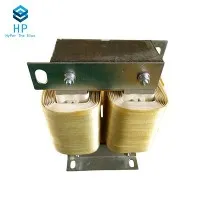


When it comes to the variable reactor, which is an essential component in many electrical systems, proper packaging and transportation are crucial to ensure its safe arrival at the destination and optimal performance. As a variable reactor supplier, I understand the significance of these processes and would like to share some insights on the packaging and transportation requirements for a variable reactor.
Packaging Requirements
Protection Against Physical Damage
Variable reactors are delicate electrical devices that can be easily damaged by physical impacts during handling and transportation. Therefore, the first step in packaging is to provide sufficient cushioning. We typically use high - density foam materials, such as expanded polystyrene (EPS) or polyurethane foam. These materials can absorb shock and vibration, protecting the reactor from bumps and jolts.
The reactor is first placed in a custom - made inner box made of corrugated cardboard. The inner box is designed to fit the reactor precisely, with foam inserts cut to the shape of the reactor's key components. This not only holds the reactor in place but also provides a layer of protection.
The inner box is then placed inside a sturdy outer wooden crate. Wooden crates are preferred because they offer high strength and durability. The crate is constructed with thick wooden planks, and its joints are reinforced with metal brackets or nails. This outer crate can withstand the rigors of transportation, including stacking, loading, and unloading.
Moisture and Dust Protection
Moisture and dust can have a detrimental effect on the performance of a variable reactor. Moisture can cause corrosion of the reactor's metal parts, while dust can accumulate on the electrical components and interfere with their operation.
To protect against moisture, we use moisture - resistant packaging materials. A plastic film or a moisture - barrier bag is wrapped around the reactor before it is placed in the inner box. Silica gel packets are also added inside the inner box to absorb any residual moisture.
For dust protection, the inner box is sealed with adhesive tape, and the outer wooden crate is also sealed to prevent dust from entering. In addition, if the reactor is to be stored for an extended period before transportation or at the destination, it can be placed in a climate - controlled environment to further minimize the risk of moisture and dust damage.
Identification and Labeling
Proper identification and labeling are essential for the packaging of a variable reactor. Each package should be clearly labeled with the product name, model number, serial number, and the manufacturer's information. This helps in easy identification and tracking of the product throughout the supply chain.
In addition, warning labels should be affixed to the package to indicate any special handling requirements. For example, labels such as "Fragile", "This Side Up", and "Do Not Stack" should be clearly visible. These labels help the handlers to take appropriate precautions during transportation and handling.
Transportation Requirements
Mode of Transportation
The choice of transportation mode depends on several factors, including the size and weight of the variable reactor, the distance to the destination, and the urgency of delivery.
For short - distance transportation within a local area, road transportation is often the most convenient option. Trucks can be used to transport the reactor directly to the customer's site. When using road transportation, it is important to ensure that the truck is equipped with proper shock - absorbing suspension systems to minimize the impact of road vibrations on the reactor.


For long - distance domestic or international transportation, sea freight or air freight may be considered. Sea freight is a cost - effective option for large and heavy variable reactors. However, it has a longer transit time. When using sea freight, the reactor should be properly secured in the shipping container to prevent it from shifting during the voyage.
Air freight is the fastest option but is more expensive. It is suitable for urgent deliveries or when the reactor needs to be transported over long distances quickly. Special care should be taken when loading and unloading the reactor from the aircraft to avoid any damage.
Handling During Transportation
Proper handling during transportation is crucial to ensure the safety of the variable reactor. When loading and unloading the reactor, specialized lifting equipment, such as cranes or forklifts, should be used. The lifting points on the reactor should be clearly marked, and the lifting equipment should be attached to these points to ensure a balanced lift.
During transportation, the reactor should be secured in place to prevent it from moving. In a truck, it can be strapped down using heavy - duty straps. In a shipping container, it can be secured with braces or dunnage. This helps to prevent the reactor from being damaged due to sudden stops, starts, or turns.
Temperature and Humidity Control
The temperature and humidity during transportation can also affect the performance of the variable reactor. Extreme temperatures can cause thermal expansion or contraction of the reactor's components, while high humidity can lead to moisture - related problems.
When using sea freight, shipping containers with temperature and humidity control systems can be used. These containers can maintain a stable environment inside, protecting the reactor from the adverse effects of temperature and humidity variations. For air freight, the aircraft's cargo hold also has some level of environmental control, but additional precautions may still be needed.
Comparison with Other Types of Reactors
It is interesting to note the differences in packaging and transportation requirements between variable reactors and other types of reactors, such as Saturated Reactor, Output Reactor, and Parallel Resonant Reactor.
Saturated reactors often have a more robust structure compared to variable reactors. This means that they may require less elaborate cushioning during packaging. However, they are still subject to similar moisture and dust protection requirements.
Output reactors are usually smaller in size compared to variable reactors. This may allow for more flexibility in packaging and transportation. For example, they can be more easily transported by air freight or in smaller shipping containers.
Parallel resonant reactors have specific electrical characteristics that require careful handling. Their packaging should provide additional electrical insulation to prevent any interference during transportation.
Conclusion
Proper packaging and transportation of variable reactors are essential to ensure their safe delivery and optimal performance. By following the packaging and transportation requirements outlined above, we can minimize the risk of damage to the reactor and provide our customers with a high - quality product.
If you are in need of a variable reactor and have any questions about our products or the packaging and transportation processes, we invite you to contact us for further discussion. We are committed to providing you with the best solutions and ensuring a smooth procurement process.
References
- "Electrical Equipment Packaging Standards", International Electrotechnical Commission (IEC)
- "Transportation Safety Guidelines for Industrial Products", World Shipping Council
- "Best Practices in Reactor Packaging and Handling", Electrical Manufacturers Association