


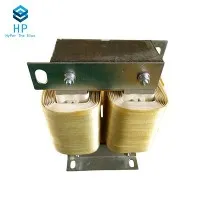

What are the safety considerations when operating a Flat Wave Reactor?
As a supplier of Flat Wave Reactors, I understand the critical importance of safety in the operation of these essential electrical components. Flat Wave Reactors play a significant role in various electrical systems, from industrial power grids to renewable energy applications. Ensuring their safe operation not only protects the equipment but also safeguards the personnel and the surrounding environment. In this blog post, I will discuss the key safety considerations that operators should keep in mind when working with Flat Wave Reactors.
1. Installation Safety
- Proper Location Selection: The installation location of a Flat Wave Reactor is crucial. It should be placed in a well - ventilated area to prevent overheating. High - temperature environments can degrade the insulation of the reactor, leading to potential short - circuits and safety hazards. The area should also be free from excessive moisture, dust, and corrosive substances. For example, in a chemical plant, the reactor should be installed in a protected enclosure to avoid exposure to corrosive gases.
- Secure Mounting: The reactor must be securely mounted to prevent movement during operation. Vibrations can cause loose connections, which may result in arcing and overheating. Follow the manufacturer's installation instructions precisely regarding the type of mounting hardware and the torque specifications for tightening bolts.
2. Electrical Safety
- Insulation Resistance: Regularly check the insulation resistance of the Flat Wave Reactor. Low insulation resistance can indicate insulation damage, which may lead to electrical leakage. Use appropriate insulation resistance testers to perform these checks at recommended intervals. A decrease in insulation resistance could be a sign of aging, moisture ingress, or mechanical damage.
- Overcurrent Protection: Install proper overcurrent protection devices such as fuses or circuit breakers. These devices can quickly interrupt the electrical circuit in case of an overcurrent situation, preventing damage to the reactor and other connected equipment. The rating of the overcurrent protection device should be carefully selected based on the reactor's specifications.
- Grounding: Ensure that the Flat Wave Reactor is properly grounded. Grounding provides a safe path for electrical faults, protecting personnel from electric shock. The grounding conductor should have adequate cross - sectional area to carry fault currents without overheating.
3. Thermal Safety
- Temperature Monitoring: Continuously monitor the temperature of the Flat Wave Reactor during operation. Excessive temperature can not only damage the reactor but also pose a fire hazard. Temperature sensors can be installed at critical points of the reactor, and an alarm system can be set up to alert operators when the temperature exceeds safe limits.
- Cooling System Maintenance: If the reactor is equipped with a cooling system, such as air - cooling or water - cooling, ensure its proper maintenance. Clean the cooling fins regularly to prevent blockages that can impede heat dissipation. For water - cooled reactors, check for leaks and maintain the proper flow rate of the cooling water.
4. Maintenance Safety
- Lockout/Tagout Procedures: Before performing any maintenance work on the Flat Wave Reactor, follow strict lockout/tagout procedures. This involves isolating the reactor from the power source, locking the disconnect switches, and tagging them to indicate that maintenance is in progress. This prevents accidental energization of the reactor during maintenance, protecting the maintenance personnel from electric shock.
- Inspection and Testing: Regularly inspect the reactor for signs of wear, damage, or loose connections. Conduct electrical tests such as impedance testing and partial discharge testing to detect any potential issues early. Replace any damaged components promptly to ensure the continued safe operation of the reactor.
5. Compatibility with Other Equipment
- System Integration: When integrating the Flat Wave Reactor into an electrical system, ensure its compatibility with other equipment such as Power Factor Compensation Reactor, Current Limiting Reactor, and Balancing Reactor. Incompatible equipment can cause abnormal operation, overheating, or damage to the reactor.
- Harmonic Considerations: Analyze the harmonic content of the electrical system. Flat Wave Reactors can be affected by harmonics, which can cause additional heating and stress on the reactor. If necessary, install harmonic filters to reduce the harmonic distortion in the system.
6. Operator Training
- Knowledge and Skills: Provide comprehensive training to operators on the safe operation and maintenance of the Flat Wave Reactor. Operators should be familiar with the reactor's specifications, operating procedures, and safety features. They should also know how to respond to emergency situations such as overheating, electrical faults, or fire.
- Safety Awareness: Foster a culture of safety among operators. Encourage them to report any abnormal conditions or safety concerns immediately. Regular safety meetings and training refreshers can help keep safety at the forefront of operators' minds.
7. Emergency Preparedness
- Fire Suppression: Have appropriate fire suppression equipment available near the Flat Wave Reactor. This could include fire extinguishers suitable for electrical fires. Develop an emergency response plan in case of a fire, including evacuation procedures and contact information for emergency services.
- Fault Response: Establish a clear protocol for responding to electrical faults. Operators should know how to quickly isolate the faulty reactor, shut down the relevant electrical circuits, and perform any necessary troubleshooting steps.
In conclusion, the safe operation of a Flat Wave Reactor requires a comprehensive approach that encompasses installation, electrical safety, thermal management, maintenance, compatibility, operator training, and emergency preparedness. By following these safety considerations, operators can ensure the reliable and safe performance of the reactor, minimizing the risk of equipment damage, personnel injury, and system failures.


If you are interested in purchasing our high - quality Flat Wave Reactors or have any questions about their operation and safety, please feel free to contact us for a detailed discussion. We are committed to providing you with the best products and technical support to meet your electrical system needs.
References
- Electrical Safety Standards Handbook, IEEE
- Power System Protection and Switchgear, McGraw - Hill