


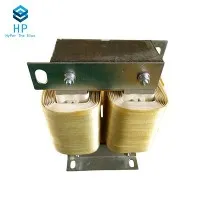

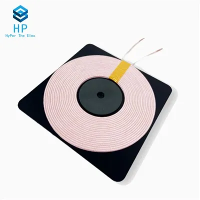

Hey there! As a supplier of hollow coils, I often get asked about the safety requirements for these coils when they're used in medical devices. It's a super important topic, so I thought I'd share some insights with you all.
First Things First: What's a Hollow Coil?
A hollow coil, as the name suggests, is a coil with a hollow center. These coils are used in a variety of applications, but in the medical field, they're crucial for things like MRI machines, pacemakers, and other diagnostic and therapeutic devices. They work by creating a magnetic field when an electric current passes through them, and this magnetic field is used for different functions depending on the device.
Safety Requirements for Hollow Coils in Medical Devices
1. Electrical Safety
One of the most critical aspects of using hollow coils in medical devices is electrical safety. Medical devices are often in direct contact with patients, so any electrical malfunction can have serious consequences.
- Insulation: The coil must have proper insulation to prevent electrical leakage. This insulation should be able to withstand the electrical voltage and current that the coil will be subjected to. For example, if a coil is used in a high - voltage application, the insulation material needs to have a high dielectric strength. We offer a Solenoid Valve Coil that is designed with high - quality insulation to ensure electrical safety.
- Grounding: Proper grounding is essential to protect patients and operators from electrical shock. The coil should be connected to a reliable ground so that any stray electrical currents can be safely diverted. This helps to prevent the buildup of static electricity and reduces the risk of electrical interference.
2. Thermal Safety
When an electric current passes through the coil, it generates heat. Excessive heat can not only damage the coil but also pose a risk to the patient.
- Heat Dissipation: The coil should be designed in a way that allows for efficient heat dissipation. This can be achieved through the use of materials with good thermal conductivity and proper ventilation. For instance, some medical device coils are encapsulated to protect them from the environment while also facilitating heat transfer. Our Encapsulated Coil is a great example of a coil that is designed for optimal heat dissipation.
- Temperature Monitoring: In some high - risk applications, it may be necessary to include temperature monitoring sensors in the device. These sensors can detect any abnormal temperature increases and trigger an alarm or shut down the device to prevent overheating.
3. Mechanical Safety
The coil needs to be mechanically stable to ensure its proper function and safety.
- Vibration and Shock Resistance: Medical devices are often moved or subjected to vibrations during transportation or use. The coil should be able to withstand these mechanical stresses without losing its shape or functionality. We design our coils to be highly resistant to vibration and shock, ensuring their reliability in real - world medical settings.
- Proper Mounting: The coil should be properly mounted within the medical device to prevent it from moving or becoming loose. This helps to maintain its position and alignment, which is crucial for the accurate operation of the device.
4. Material Safety
The materials used in the construction of the coil must be safe for use in medical devices.
- Biocompatibility: If the coil comes into contact with the patient's body, either directly or indirectly, the materials used must be biocompatible. This means that they should not cause any allergic reactions or toxic effects. For example, in some implantable medical devices, the coil may need to be made of materials like titanium or certain types of polymers that are well - tolerated by the human body.
- Chemical Stability: The materials should also be chemically stable to prevent degradation over time. This ensures that the coil maintains its performance and safety characteristics throughout its lifespan.
5. Electromagnetic Compatibility (EMC)
Medical devices are operating in an environment filled with electromagnetic signals. The coil should not interfere with other medical devices or be affected by external electromagnetic fields.


- EMI Shielding: To prevent electromagnetic interference (EMI), the coil may need to be shielded. This can be done using conductive materials that block or redirect electromagnetic waves. Our AC Solenoid Coil is designed with EMI shielding to ensure that it operates smoothly in a complex electromagnetic environment.
- Compliance with Standards: The coil must comply with relevant EMC standards to ensure its safe and reliable operation. These standards are set by international organizations to regulate the electromagnetic emissions and immunity of medical devices.
Why Choose Our Hollow Coils?
As a supplier, we take safety very seriously. We have a team of experts who are constantly working to ensure that our hollow coils meet all the necessary safety requirements for medical device applications. We use high - quality materials, state - of - the - art manufacturing processes, and rigorous testing procedures to guarantee the safety and reliability of our products.
Whether you're developing a new MRI machine, a pacemaker, or any other medical device that requires a hollow coil, we can provide you with a solution that meets your specific needs. Our coils are designed to be not only safe but also highly efficient, which can help to improve the overall performance of your medical device.
Contact Us for Your Hollow Coil Needs
If you're in the medical device industry and are looking for a reliable supplier of hollow coils, we'd love to hear from you. Whether you have questions about our products, need a custom - made coil, or want to discuss your specific requirements, feel free to reach out. We're here to help you find the right solution for your medical device application.
References
- "Medical Device Safety Standards Handbook", John Wiley & Sons
- "Electromagnetic Compatibility in Medical Devices", IEEE Press
- "Biomaterials in Medical Devices: Design and Applications", CRC Press