


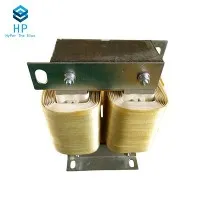

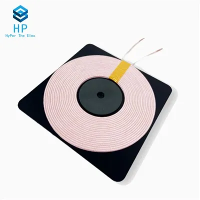

As a DC solenoid coil supplier, I've spent years delving into the intricate world of these essential components. DC solenoid coils are widely used in various industries, from automotive to industrial automation, due to their reliability and efficiency. In this blog, I'll explore the standards and specifications that are crucial for these coils, offering insights that can help you make informed decisions when it comes to purchasing.
Electrical Specifications
Voltage Rating
The voltage rating is one of the most fundamental specifications of a DC solenoid coil. It indicates the DC voltage at which the coil is designed to operate optimally. Using a voltage higher than the rated value can lead to overheating and premature failure of the coil. Conversely, applying a lower voltage may result in insufficient magnetic force, causing the solenoid to malfunction.
Manufacturers typically provide a tolerance range for the voltage rating. For example, a coil rated at 12V DC may have a tolerance of ±10%, meaning it can operate within the range of 10.8V to 13.2V. When selecting a DC solenoid coil, it's essential to ensure that the available power supply falls within this specified range.
Resistance
Resistance is another critical electrical parameter. It determines the amount of current flowing through the coil when a voltage is applied, according to Ohm's Law (V = IR, where V is voltage, I is current, and R is resistance). A higher resistance coil will draw less current for a given voltage, while a lower resistance coil will draw more.
The resistance of a DC solenoid coil is influenced by factors such as the wire gauge, length of the wire, and the number of turns. Coils with a larger wire gauge generally have lower resistance, allowing for higher current flow. However, this also means they may consume more power. When choosing a coil, it's important to balance the resistance with the power requirements of the application.
Power Consumption
Power consumption is directly related to the voltage and current of the coil. It is calculated using the formula P = VI, where P is power, V is voltage, and I is current. Minimizing power consumption is often a priority, especially in applications where energy efficiency is crucial.
Some DC solenoid coils are designed with features to reduce power consumption. For example, they may use a pulsed power supply or have a dual-coil design that allows for a lower holding current after the initial activation. When evaluating coils, consider the power consumption over the expected operating cycle to ensure it meets the requirements of your application.
Mechanical Specifications
Dimensions
The physical dimensions of a DC solenoid coil are important for proper installation and integration into the system. Coils come in various shapes and sizes, from small, compact designs for use in electronic devices to larger, more robust coils for industrial applications.
When specifying the dimensions, consider factors such as the available space in the application, the mounting requirements, and any clearance needed for the movement of the solenoid's plunger or armature. It's also important to ensure that the coil's dimensions are compatible with any connectors or interfaces that will be used.
Force and Stroke
The force and stroke are key mechanical specifications that determine the performance of a DC solenoid. The force is the amount of mechanical force exerted by the solenoid when energized, while the stroke is the distance the plunger or armature moves.
The force and stroke of a solenoid are influenced by factors such as the number of turns in the coil, the magnetic core material, and the design of the solenoid. Higher force and longer stroke are generally desirable, but they may come at the cost of increased power consumption and larger physical size. When selecting a coil, it's important to match the force and stroke requirements of the application with the capabilities of the solenoid.
Environmental Specifications
Temperature Range
DC solenoid coils are often exposed to a wide range of temperatures in different applications. The temperature range specification indicates the minimum and maximum temperatures at which the coil can operate safely and reliably.
Extreme temperatures can affect the performance of the coil. At high temperatures, the resistance of the wire may increase, leading to a decrease in current flow and a reduction in magnetic force. At low temperatures, the coil's insulation may become brittle, increasing the risk of electrical breakdown. When choosing a coil, ensure that the temperature range is suitable for the operating environment.
Humidity and Moisture Resistance
Humidity and moisture can also have a significant impact on the performance and lifespan of a DC solenoid coil. Coils that are exposed to high humidity or moisture may experience corrosion, which can damage the wire and the insulation.
To protect against humidity and moisture, some coils are encapsulated or coated with a protective material. Encapsulated Coil designs provide a high level of protection, making them suitable for use in harsh environments. When selecting a coil, consider the humidity and moisture conditions of the application and choose a coil with appropriate protection.
Other Considerations
Coil Type
There are different types of DC solenoid coils available, each with its own characteristics and applications. Hollow Coil designs are often used in applications where a lightweight and compact solution is required. They have a lower inductance compared to coils with a magnetic core, which can result in faster response times.


On the other hand, coils with a magnetic core are more commonly used when a higher magnetic force is needed. The magnetic core enhances the magnetic field produced by the coil, allowing for greater force generation. When choosing a coil, consider the specific requirements of the application and select the appropriate coil type.
Compatibility with AC Solenoid Coils
In some applications, there may be a need to use both DC and AC Solenoid Coil in the same system. It's important to ensure that the DC solenoid coils are compatible with the AC coils in terms of electrical and mechanical specifications.
For example, the power supply and control circuitry may need to be designed to handle both DC and AC signals. Additionally, the physical dimensions and mounting requirements of the coils should be compatible to ensure proper installation. When integrating DC and AC solenoid coils, it's advisable to consult with a technical expert to ensure a seamless and reliable operation.
Conclusion
In conclusion, understanding the standards and specifications for DC solenoid coils is essential for selecting the right coil for your application. Electrical specifications such as voltage rating, resistance, and power consumption determine the coil's performance and energy efficiency. Mechanical specifications like dimensions, force, and stroke ensure proper installation and functionality. Environmental specifications such as temperature range and humidity resistance are crucial for reliable operation in different conditions.
As a DC solenoid coil supplier, I'm committed to providing high-quality coils that meet the diverse needs of our customers. If you're in the market for DC solenoid coils and have any questions or need assistance in selecting the right product, I encourage you to reach out for a detailed discussion. Our team of experts is ready to help you find the perfect solution for your specific requirements.
References
- Grover, F. W. (1946). Inductance Calculations: Working Formulas and Tables. Dover Publications.
- Fitzgerald, A. E., Kingsley, C., & Umans, S. D. (2003). Electric Machinery. McGraw-Hill.
- Boldea, I., & Nasar, S. A. (1999). Electric Drives: An Integrated Approach. CRC Press.