


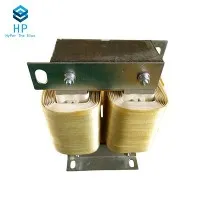

As a seasoned supplier of Encapsulated Coils, I am often asked about the corrosion resistance of these essential components. In this blog post, I will delve into the intricacies of corrosion resistance in Encapsulated Coils, exploring the factors that influence it, the benefits it offers, and how we ensure our products meet the highest standards in this regard.
Understanding Corrosion and Its Impact on Coils
Corrosion is a natural process that occurs when metals react with their environment, typically oxygen and moisture. In the case of coils, corrosion can have detrimental effects on their performance and longevity. When a coil corrodes, it can lead to a breakdown of the electrical insulation, which may result in short circuits, reduced efficiency, and ultimately, failure of the device in which the coil is installed.
For Encapsulated Coils, which are used in a wide range of applications, including DC Solenoid Coil and AC Solenoid Coil systems, corrosion resistance is of utmost importance. These coils are often exposed to harsh environments, such as high humidity, chemicals, and extreme temperatures, which can accelerate the corrosion process.
Factors Affecting the Corrosion Resistance of Encapsulated Coils
Several factors contribute to the corrosion resistance of Encapsulated Coils. Understanding these factors is crucial for manufacturers to develop coils that can withstand the rigors of various operating conditions.
Material Selection
The choice of materials used in the construction of the coil is one of the most significant factors affecting its corrosion resistance. The core material, wire, and encapsulation material all play a role in protecting the coil from corrosion.
- Core Material: The core of the coil is typically made of a ferromagnetic material, such as iron or steel. These materials are prone to corrosion, especially in the presence of moisture. To enhance corrosion resistance, manufacturers may use stainless steel or coated cores. Stainless steel contains chromium, which forms a passive oxide layer on the surface, protecting it from further oxidation. Coated cores, on the other hand, are treated with a protective layer, such as epoxy or powder coating, to prevent corrosion.
- Wire Material: The wire used in the coil is usually made of copper or aluminum. Copper is a highly conductive material, but it is also susceptible to corrosion, especially in acidic or alkaline environments. Aluminum, on the other hand, is more resistant to corrosion due to the formation of a thin oxide layer on its surface. However, aluminum has a lower conductivity than copper, which may affect the performance of the coil. To balance conductivity and corrosion resistance, manufacturers may use copper-clad aluminum wire or coated copper wire.
- Encapsulation Material: The encapsulation material is used to protect the coil from the environment. It provides a physical barrier between the coil and the surrounding atmosphere, preventing moisture, chemicals, and other contaminants from reaching the coil. Common encapsulation materials include epoxy resin, polyurethane, and silicone. These materials have different properties, such as hardness, flexibility, and chemical resistance, which can affect the corrosion resistance of the coil. Epoxy resin, for example, is a hard and rigid material that provides excellent protection against moisture and chemicals. Polyurethane, on the other hand, is more flexible and can withstand mechanical stress, making it suitable for applications where the coil may be subjected to vibration or shock.
Manufacturing Processes
The manufacturing processes used to produce Encapsulated Coils can also affect their corrosion resistance. Proper handling, cleaning, and coating of the components during the manufacturing process are essential to prevent corrosion.
- Cleaning: Before encapsulation, the coil components must be thoroughly cleaned to remove any dirt, grease, or other contaminants. This ensures that the encapsulation material adheres properly to the surface of the coil, providing a tight seal and preventing moisture from penetrating.
- Coating: In addition to encapsulation, the coil components may be coated with a protective layer, such as a corrosion inhibitor or a primer. These coatings provide an additional layer of protection against corrosion, especially in harsh environments.
- Curing: The curing process of the encapsulation material is also critical for ensuring its corrosion resistance. Proper curing ensures that the encapsulation material fully hardens and forms a strong bond with the coil components, providing a durable and long-lasting protective barrier.
Environmental Conditions
The operating environment of the Encapsulated Coil is another important factor affecting its corrosion resistance. Different environments pose different challenges, and the coil must be designed to withstand these conditions.
- Humidity: High humidity levels can accelerate the corrosion process, especially in the presence of oxygen. In humid environments, the coil may be exposed to condensation, which can lead to the formation of rust and other corrosion products. To prevent corrosion in high humidity environments, the coil may be designed with a moisture-resistant encapsulation material or a ventilation system to remove moisture from the enclosure.
- Chemicals: Encapsulated Coils may be exposed to various chemicals, such as acids, alkalis, and solvents, in industrial applications. These chemicals can react with the coil materials, causing corrosion and degradation. To protect the coil from chemical corrosion, the encapsulation material must be resistant to the specific chemicals present in the environment.
- Temperature: Extreme temperatures can also affect the corrosion resistance of Encapsulated Coils. High temperatures can accelerate the corrosion process, while low temperatures can cause the encapsulation material to become brittle and crack, exposing the coil to the environment. To ensure the coil can withstand extreme temperatures, the encapsulation material must have a wide temperature range and good thermal stability.
Benefits of Corrosion-Resistant Encapsulated Coils
Investing in corrosion-resistant Encapsulated Coils offers several benefits for both manufacturers and end-users.
Extended Lifespan
One of the primary benefits of corrosion-resistant Encapsulated Coils is their extended lifespan. By protecting the coil from corrosion, the coil can operate reliably for a longer period of time, reducing the need for frequent replacements and maintenance. This not only saves costs but also improves the overall efficiency and productivity of the system.
Improved Performance
Corrosion can have a significant impact on the performance of Encapsulated Coils. When a coil corrodes, it can cause a decrease in conductivity, an increase in resistance, and a change in the magnetic properties of the coil. These changes can affect the performance of the device in which the coil is installed, leading to reduced efficiency, increased energy consumption, and potential malfunctions. By using corrosion-resistant coils, the performance of the device can be maintained at a high level, ensuring optimal operation.
Enhanced Reliability
In critical applications, such as aerospace, automotive, and medical devices, reliability is of utmost importance. Corrosion-resistant Encapsulated Coils provide a higher level of reliability, reducing the risk of system failures and downtime. This is especially important in applications where safety is a concern, as a failure of the coil could have serious consequences.
Cost Savings
Although corrosion-resistant Encapsulated Coils may have a higher upfront cost than standard coils, they can provide significant cost savings in the long run. By reducing the need for frequent replacements and maintenance, the total cost of ownership of the system can be reduced. Additionally, the improved performance and reliability of the corrosion-resistant coils can lead to increased energy efficiency and productivity, further reducing costs.
How We Ensure the Corrosion Resistance of Our Encapsulated Coils
As a leading supplier of Encapsulated Coils, we are committed to providing our customers with high-quality, corrosion-resistant products. We achieve this through a combination of advanced materials, state-of-the-art manufacturing processes, and rigorous quality control measures.


Material Selection
We carefully select the materials used in the construction of our Encapsulated Coils to ensure their corrosion resistance. We use high-quality stainless steel cores, copper-clad aluminum wire, and epoxy resin encapsulation material, which provide excellent protection against corrosion in a wide range of environments.
Manufacturing Processes
Our manufacturing processes are designed to ensure the highest level of quality and corrosion resistance. We follow strict cleaning and coating procedures to remove any contaminants from the coil components and provide an additional layer of protection against corrosion. Our encapsulation process is carefully controlled to ensure a tight seal and proper curing of the encapsulation material, providing a durable and long-lasting protective barrier.
Quality Control
We have a comprehensive quality control system in place to ensure that our Encapsulated Coils meet the highest standards of corrosion resistance. We conduct rigorous testing on our products, including salt spray testing, humidity testing, and chemical resistance testing, to ensure that they can withstand the harsh conditions of their intended applications. Our quality control team also inspects each coil before it leaves our facility to ensure that it meets our strict quality requirements.
Contact Us for Your Encapsulated Coil Needs
If you are in need of high-quality, corrosion-resistant Encapsulated Coils for your application, we invite you to contact us. Our team of experts can help you select the right coil for your specific requirements and provide you with a customized solution. We are committed to providing our customers with the best products and services, and we look forward to working with you.
References
- Fontana, M. G. (1986). Corrosion Engineering. McGraw-Hill.
- Uhlig, H. H., & Revie, R. W. (1985). Corrosion and Corrosion Control. Wiley.
- Schutz, M. (2008). Handbook of Corrosion Engineering. McGraw-Hill.