


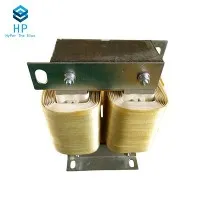

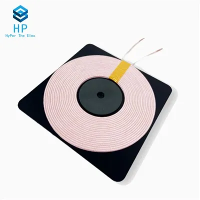

Hey there! I'm part of an AC Solenoid Coil supplier team, and today I wanna share some tips on how to optimize the design of an AC solenoid coil. It's gonna be a bit of a deep - dive, but I'll try to keep it as easy to follow as possible.
First off, let's understand what an AC solenoid coil is. You can check out more details about it AC Solenoid Coil. An AC solenoid coil is a crucial component in many electrical and mechanical systems. It works by generating a magnetic field when an alternating current passes through it. This magnetic field can then be used to move a plunger or perform other mechanical actions.
Material Selection
One of the first steps in optimizing the design is choosing the right materials. The wire used for the coil is super important. Copper is a popular choice because it has low resistivity, which means less energy is lost as heat. This is great for efficiency. But there are also other types of wires available, and the choice depends on factors like the operating temperature and the required magnetic field strength.
The core material is another key factor. Soft iron cores are often used because they can be easily magnetized and demagnetized. This allows for quick response times when the current is switched on and off. However, if you need a more powerful magnetic field, you might consider using a laminated core. Laminated cores reduce eddy current losses, which can improve the overall performance of the coil.


Coil Geometry
The shape and size of the coil play a big role in its performance. The number of turns in the coil affects the magnetic field strength. Generally, more turns mean a stronger magnetic field, but it also increases the resistance of the coil. So, you need to find a balance.
The diameter of the wire also matters. A thicker wire has lower resistance, which can reduce power losses. But it might also take up more space, so you need to consider the physical constraints of your application.
The length and diameter of the coil can impact the magnetic field distribution. A longer coil might have a more uniform magnetic field along its length, while a shorter and wider coil could have a stronger magnetic field at the center. You need to design the coil geometry based on where and how the magnetic field will be used.
Encapsulation
Encapsulation is an important aspect of coil design. You can learn more about Encapsulated Coil. Encapsulating the coil can protect it from environmental factors like moisture, dust, and mechanical damage. There are different types of encapsulation materials available, such as epoxy resins. These materials can also help with heat dissipation, which is crucial for maintaining the performance of the coil over time.
When choosing an encapsulation method, you need to consider the operating conditions of the coil. For example, if the coil will be used in a high - humidity environment, you'll need a more moisture - resistant encapsulation.
Electrical Design
The electrical design of the coil involves aspects like the voltage and frequency of the AC power supply. The coil needs to be designed to work within the specified voltage and frequency range. If the voltage is too high, it can cause overheating and damage to the coil. If the frequency is not compatible, the magnetic field might not be generated as expected.
You also need to consider the impedance of the coil. Impedance is a combination of resistance and reactance. Reactance is related to the inductance of the coil, which changes with the frequency of the AC current. By carefully designing the coil to have the right impedance, you can ensure that it operates efficiently and safely.
Thermal Management
Heat is a major enemy of solenoid coils. Excessive heat can reduce the performance of the coil and even cause it to fail. To manage heat, you can use techniques like adding heat sinks or improving the ventilation around the coil.
The choice of materials can also help with thermal management. As mentioned earlier, using a wire with low resistivity can reduce heat generation. And encapsulation materials that have good thermal conductivity can help transfer heat away from the coil.
Application - Specific Design
The design of the AC solenoid coil should be tailored to the specific application. For example, if you're using the coil in a Solenoid Valve Coil, you need to consider factors like the required opening and closing times of the valve. The coil needs to be designed to generate enough magnetic force to operate the valve quickly and reliably.
If the coil is used in a high - speed switching application, you need to focus on reducing the response time. This might involve using a core material with a fast magnetization and demagnetization rate and optimizing the coil geometry for quick changes in the magnetic field.
Testing and Optimization
Once you've designed the coil, it's important to test it thoroughly. You can use specialized equipment to measure the magnetic field strength, the resistance, and the temperature of the coil under different operating conditions.
Based on the test results, you can make adjustments to the design. Maybe you need to change the number of turns, the wire diameter, or the core material. This iterative process of testing and optimization can help you achieve the best performance for your AC solenoid coil.
Conclusion
Optimizing the design of an AC solenoid coil is a complex but rewarding process. By carefully considering factors like material selection, coil geometry, encapsulation, electrical design, thermal management, and application - specific requirements, you can create a coil that performs well and lasts a long time.
If you're in the market for high - quality AC solenoid coils or need help with coil design, we're here to assist you. We have a team of experts who can work with you to understand your needs and provide the best solutions. Reach out to us to start a procurement discussion and let's find the perfect coil for your application.
References
- Grover, F. W. (1946). Inductance Calculations: Working Formulas and Tables. Dover Publications.
- Chapman, S. J. (2012). Electric Machinery Fundamentals. McGraw - Hill Education.