


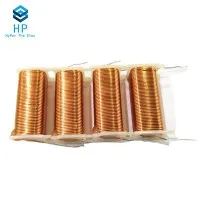

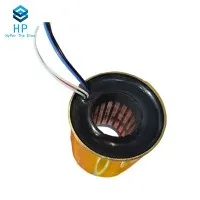

When delving into the realm of electrical engineering and the intricate components that power our modern world, one element that often plays a significant but sometimes underappreciated role is the trap coil. As a leading supplier of trap coils, I am frequently asked about the electrical resistance of these crucial devices. In this blog post, I aim to provide a comprehensive overview of the electrical resistance of trap coils, explore its implications in various applications, and shed light on the factors that influence it.
Understanding Trap Coils
Before diving into the specifics of electrical resistance, it's essential to understand what a trap coil is and its primary functions. A trap coil, also known as a resonant trap or a band-stop filter, is a type of inductor designed to block or attenuate a specific frequency or range of frequencies while allowing others to pass through with minimal impedance. Trap coils are commonly used in radio frequency (RF) circuits, communication systems, and electronic devices to prevent interference and ensure the proper functioning of the equipment.
The Concept of Electrical Resistance
Electrical resistance is a fundamental property of any electrical component, including trap coils. It is defined as the opposition to the flow of electric current through a material or device. Resistance is measured in ohms (Ω) and is determined by several factors, including the material's conductivity, the length and cross-sectional area of the conductor, and the temperature.
In the case of a trap coil, the electrical resistance plays a crucial role in determining its performance characteristics. A lower resistance generally indicates better conductivity and less power loss, while a higher resistance can lead to increased heat generation and reduced efficiency. Therefore, understanding and controlling the electrical resistance of a trap coil is essential for optimizing its performance in various applications.
Factors Affecting the Electrical Resistance of Trap Coils
Several factors can influence the electrical resistance of a trap coil. Understanding these factors can help you choose the right trap coil for your specific application and ensure its optimal performance.
1. Material
The material used to construct the trap coil is one of the most significant factors affecting its electrical resistance. Conductive materials with high electrical conductivity, such as copper and aluminum, are commonly used in trap coil construction due to their low resistance. The purity and quality of the material also play a role in determining the resistance, as impurities and defects can increase the resistivity of the material.
2. Wire Gauge
The wire gauge, or diameter, of the coil also affects its electrical resistance. Thicker wires generally have lower resistance than thinner wires because they offer less opposition to the flow of electric current. However, using thicker wires may increase the size and weight of the coil, which may not be desirable in some applications.
3. Coil Geometry
The geometry of the trap coil, including its number of turns, the diameter of the coil, and the spacing between the turns, can also influence its electrical resistance. A coil with more turns generally has higher resistance than a coil with fewer turns because the longer length of the wire increases the opposition to the flow of electric current. Similarly, a coil with a smaller diameter or tighter spacing between the turns may have higher resistance due to increased self - inductance and mutual inductance effects.
4. Temperature
Temperature has a significant impact on the electrical resistance of a trap coil. As the temperature of the coil increases, the resistance of the wire also increases due to the increased thermal agitation of the atoms in the conductor. This phenomenon is known as the temperature coefficient of resistance. In applications where the coil is subjected to high temperatures, such as in power electronics or high - power RF circuits, it is essential to consider the temperature coefficient of resistance and choose a coil material with a low temperature coefficient to minimize the effects of temperature changes on the coil's performance.
Measuring the Electrical Resistance of Trap Coils
Measuring the electrical resistance of a trap coil is a relatively straightforward process that can be performed using a multimeter. To measure the resistance, simply connect the multimeter leads across the terminals of the coil and set the multimeter to the resistance measurement mode. The multimeter will display the resistance value in ohms.
It's important to note that the measured resistance value may be affected by several factors, including the temperature of the coil, the contact resistance between the multimeter leads and the coil terminals, and the presence of any external magnetic fields or electrical interference. Therefore, it's recommended to measure the resistance at a stable temperature and ensure good electrical contact between the multimeter leads and the coil terminals.
Implications of Electrical Resistance in Trap Coil Applications
The electrical resistance of a trap coil has several implications in various applications, including:
1. Power Loss
A higher resistance in a trap coil results in increased power loss in the form of heat. This can be a significant concern in high - power applications, where excessive power loss can lead to overheating and reduced component lifespan. Therefore, choosing a trap coil with low resistance is essential for minimizing power loss and improving the efficiency of the circuit.
2. Signal Attenuation
In RF applications, the electrical resistance of a trap coil can affect the signal attenuation characteristics of the coil. A coil with higher resistance may introduce additional signal loss, which can degrade the performance of the communication system. Therefore, it's important to select a trap coil with the appropriate resistance to ensure the desired level of signal attenuation without introducing excessive signal loss.
3. Frequency Response
The electrical resistance of a trap coil can also influence its frequency response. A coil with higher resistance may have a wider bandwidth and a less steep roll - off characteristic, which can affect its ability to selectively filter out specific frequencies. Therefore, understanding the relationship between the electrical resistance and the frequency response of a trap coil is crucial for designing effective RF circuits and communication systems.
Related Coil Types
In addition to trap coils, there are several other types of coils commonly used in electrical and electronic applications. These include Resonant Coil, Antenna Coil, and Choke Coil. Each of these coil types has its unique characteristics and applications, and understanding their differences can help you choose the right coil for your specific needs.


Conclusion
In conclusion, the electrical resistance of a trap coil is a critical parameter that significantly affects its performance in various applications. By understanding the factors that influence the electrical resistance, such as the material, wire gauge, coil geometry, and temperature, you can choose the right trap coil for your specific application and ensure its optimal performance.
As a trusted supplier of trap coils, we offer a wide range of high - quality trap coils designed to meet the diverse needs of our customers. Our trap coils are manufactured using the latest technology and high - quality materials to ensure low resistance, high efficiency, and excellent performance. If you are looking for a reliable trap coil for your next project or need more information about our products, we invite you to contact us. We look forward to discussing your requirements and providing you with the best solutions for your applications.
References
[1] Electric Circuits, by James W. Nilsson and Susan A. Riedel.
[2] RF Circuit Design, by Chris Bowick.
[3] Electrical Engineering Handbook, edited by Richard C. Dorf.