


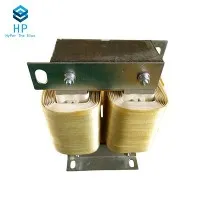

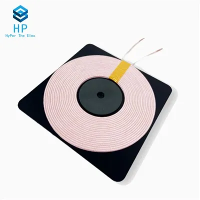

The lifespan of an AC solenoid coil is a crucial factor for both manufacturers and users. As a supplier of AC Solenoid Coils, I've had extensive experience and in - depth knowledge about this topic. In this blog, I'll delve into the various aspects that influence the lifespan of an AC solenoid coil, providing insights that can help you make informed decisions when it comes to your solenoid coil needs.
Understanding AC Solenoid Coils
Before we discuss the lifespan, it's essential to understand what an AC solenoid coil is. An AC Solenoid Coil is an electromechanical device that converts electrical energy into mechanical energy. When an alternating current (AC) passes through the coil, it creates a magnetic field. This magnetic field then interacts with a ferromagnetic core, causing it to move. AC solenoid coils are widely used in various applications, such as valves, relays, and actuators.
Factors Affecting the Lifespan of an AC Solenoid Coil
1. Electrical Factors
- Voltage Fluctuations: One of the most significant electrical factors is voltage fluctuations. If the voltage supplied to the coil is higher than the rated voltage, it can cause excessive current flow. This increased current generates more heat, which can damage the insulation of the coil. Over time, the insulation may break down, leading to short - circuits and ultimately, coil failure. On the other hand, if the voltage is too low, the coil may not generate enough magnetic force to operate properly, causing it to overheat due to continuous attempts to reach the required performance.
- Frequency: The frequency of the AC power supply also plays a role. Most AC solenoid coils are designed to operate at a specific frequency, typically 50Hz or 60Hz. If the frequency deviates from the rated value, the magnetic field generated by the coil may not be stable. This can cause the core to vibrate more than normal, leading to mechanical stress on the coil and reducing its lifespan.
2. Environmental Factors
- Temperature: High temperatures can have a detrimental effect on the lifespan of an AC solenoid coil. As the temperature rises, the resistance of the coil wire increases. This increased resistance leads to more heat generation, creating a vicious cycle. Additionally, high temperatures can cause the insulation material to degrade faster. On the other hand, extremely low temperatures can make the insulation brittle, increasing the risk of cracking.
- Humidity and Moisture: Moisture can penetrate the coil and cause corrosion of the wire. This corrosion weakens the wire, reducing its conductivity and increasing the risk of breakage. In high - humidity environments, the moisture can also cause the growth of mold and mildew, which can further damage the coil.
- Dust and Debris: Dust and debris can accumulate on the coil, reducing its ability to dissipate heat. This can lead to overheating and premature failure. In industrial environments, where there is a lot of dust and debris, it's crucial to choose a coil with proper protection, such as an Encapsulated Coil.
3. Mechanical Factors
- Vibration and Shock: AC solenoid coils are often subjected to vibration and shock during operation. Excessive vibration can cause the wire in the coil to loosen or break. Shock can also damage the internal structure of the coil, such as the insulation or the core. To mitigate these effects, some coils are designed with shock - absorbing features or are mounted using vibration - dampening materials.
- Mechanical Wear: If the solenoid coil is part of a moving mechanism, such as a valve or an actuator, the mechanical wear on the core and other components can affect the coil's performance. For example, if the core is not moving smoothly, it can cause uneven magnetic forces, leading to increased stress on the coil.
Average Lifespan of an AC Solenoid Coil
The average lifespan of an AC solenoid coil can vary widely depending on the factors mentioned above. In ideal operating conditions, where the voltage is stable, the environment is clean and dry, and there is minimal mechanical stress, an AC solenoid coil can last for several years. However, in harsh industrial environments, the lifespan may be significantly reduced, sometimes to as little as a few months.
For example, in a well - maintained HVAC system, where the AC solenoid coil is used to control the flow of refrigerant, it can last for 5 - 10 years. On the other hand, in a manufacturing plant with high levels of dust, vibration, and temperature fluctuations, the same type of coil may need to be replaced every 1 - 2 years.


Extending the Lifespan of an AC Solenoid Coil
1. Proper Installation
- Ensure that the coil is installed correctly, following the manufacturer's instructions. This includes proper mounting to reduce vibration and shock, and correct wiring to avoid electrical problems.
- Use appropriate insulation materials and connectors to prevent moisture and dust from entering the coil.
2. Regular Maintenance
- Clean the coil regularly to remove dust and debris. This can be done using a soft brush or compressed air.
- Check the electrical connections periodically to ensure they are tight and free of corrosion.
- Monitor the operating temperature and voltage of the coil. If there are any significant deviations from the rated values, take corrective action immediately.
3. Choosing the Right Coil
- Select a coil that is designed for the specific application. Consider factors such as the operating environment, the required magnetic force, and the frequency of operation.
- For harsh environments, choose a coil with additional protection, such as a Hollow Coil or an encapsulated coil.
Conclusion
The lifespan of an AC solenoid coil is influenced by a variety of factors, including electrical, environmental, and mechanical factors. By understanding these factors and taking appropriate measures, such as proper installation, regular maintenance, and choosing the right coil, you can significantly extend the lifespan of your AC solenoid coil.
As a supplier of AC Solenoid Coils, we are committed to providing high - quality products that are designed to withstand various operating conditions. Our coils are manufactured using the latest technology and the best materials to ensure long - term reliability. If you are in need of AC solenoid coils for your application, we invite you to contact us for a detailed discussion. We can help you select the right coil based on your specific requirements and provide you with the necessary technical support.
References
- Grob, Bernard. "Basic Electronics." McGraw - Hill Education, 2007.
- Fitzgerald, A. E., Kingsley, C., Jr., & Umans, S. D. "Electric Machinery." McGraw - Hill Education, 2003.