




What is the radiation pattern of a trap coil antenna?
As a leading supplier of Trap Coils, I often get asked about the radiation pattern of trap coil antennas. Understanding the radiation pattern is crucial for anyone looking to optimize the performance of their antenna system. In this blog post, I'll explain what a radiation pattern is, how it relates to trap coil antennas, and why it matters.
What is a Radiation Pattern?
A radiation pattern is a graphical representation of the way an antenna radiates or receives electromagnetic waves in space. It shows the relative strength of the radiated or received signal as a function of direction from the antenna. Radiation patterns are typically presented in two dimensions (azimuth and elevation) and can be either measured in an anechoic chamber or calculated using electromagnetic simulation software.
There are two main types of radiation patterns: omnidirectional and directional. An omnidirectional antenna radiates or receives signals equally in all directions in the horizontal plane, making it suitable for applications where the signal needs to be broadcast or received in all directions, such as in a wireless access point. A directional antenna, on the other hand, radiates or receives signals more strongly in a particular direction, which is useful for long - distance communication or for focusing the signal towards a specific target.
Trap Coil Antennas
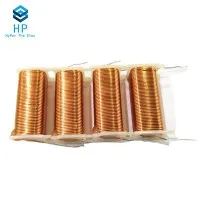
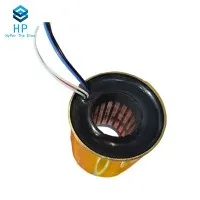
Before delving into the radiation pattern of trap coil antennas, it's important to understand what a trap coil is. A Trap Coil is a resonant circuit that is used in antenna design to make an antenna resonant at multiple frequencies. It consists of an inductor and a capacitor connected in parallel or series, and it has a resonant frequency at which it presents a high impedance to the flow of current.
In a trap coil antenna, the trap coils are placed at specific locations along the antenna element. When the antenna is operating at the resonant frequency of the trap coil, the trap coil effectively "traps" the energy at that frequency, allowing the antenna to be resonant at multiple frequencies without having to change its physical length. This makes trap coil antennas very versatile and suitable for multi - band operation in amateur radio and other communication systems.
Radiation Pattern of Trap Coil Antennas
The radiation pattern of a trap coil antenna is influenced by several factors, including the design of the antenna, the placement of the trap coils, and the operating frequency.
- Antenna Design: The basic design of the antenna, such as whether it is a dipole, a vertical, or a Yagi - Uda antenna, will have a significant impact on the radiation pattern. For example, a dipole antenna with trap coils will generally have a figure - eight radiation pattern in the horizontal plane, similar to a regular dipole antenna. However, the presence of the trap coils can modify the shape and the gain of the pattern.
- Placement of Trap Coils: The location of the trap coils along the antenna element can also affect the radiation pattern. If the trap coils are placed at strategic points, they can be used to adjust the current distribution on the antenna, which in turn affects the radiation pattern. For instance, placing the trap coils closer to the ends of a dipole antenna can change the way the antenna radiates at different frequencies.
- Operating Frequency: The radiation pattern of a trap coil antenna can vary significantly depending on the operating frequency. At the resonant frequency of the trap coil, the antenna will radiate more efficiently, and the radiation pattern may be more well - defined. At frequencies away from the resonant frequency, the trap coil may not be as effective, and the radiation pattern may be distorted.
In general, trap coil antennas can be designed to have different radiation patterns depending on the application. For example, in an amateur radio setup, a trap dipole antenna can be designed to have a relatively omnidirectional pattern for local communication or a more directional pattern for long - distance communication.
Importance of Understanding the Radiation Pattern
Understanding the radiation pattern of a trap coil antenna is essential for several reasons:


- Communication Efficiency: By knowing the radiation pattern, you can align the antenna in the direction where you want to send or receive signals. This can significantly improve the communication efficiency, especially in long - distance communication where the signal strength can be a limiting factor.
- Interference Reduction: A well - designed radiation pattern can also help in reducing interference. By directing the signal towards the desired direction, you can minimize the amount of signal that is radiated in other directions, which may cause interference to other systems.
- Antenna Optimization: Knowledge of the radiation pattern allows you to optimize the design of the antenna. You can adjust the placement of the trap coils, the length of the antenna elements, and other parameters to achieve the desired radiation pattern.
Comparison with Other Coil - Based Antennas
It's also interesting to compare the radiation pattern of trap coil antennas with other coil - based antennas, such as Resonant Coil antennas and Choke Coil antennas.
- Resonant Coil Antennas: Resonant coil antennas are designed to resonate at a single frequency. Their radiation pattern is often more straightforward and may be more predictable compared to trap coil antennas. However, they lack the multi - band capability of trap coil antennas.
- Choke Coil Antennas: Choke coils are mainly used to prevent unwanted currents from flowing in certain parts of the antenna system. While they can have an impact on the overall performance of the antenna, their effect on the radiation pattern is usually secondary compared to trap coils.
Applications of Trap Coil Antennas Based on Radiation Pattern
The unique radiation pattern characteristics of trap coil antennas make them suitable for a variety of applications:
- Amateur Radio: In amateur radio, trap coil antennas are widely used because of their multi - band capability. Operators can use a single antenna to communicate on different frequency bands, and by understanding the radiation pattern, they can choose the best direction for communication.
- Wireless Communication Systems: In some wireless communication systems, trap coil antennas can be used to provide coverage in different directions or to communicate with multiple devices. The ability to adjust the radiation pattern makes them a flexible choice.
Contact for Trap Coil Procurement
If you are interested in learning more about trap coil antennas or are looking to purchase high - quality Trap Coils for your antenna design, I encourage you to reach out. Our team of experts can provide you with detailed information about our products, help you with the selection process, and offer technical support to ensure that you get the best performance from your antenna system. Whether you are a professional in the communication industry or an amateur radio enthusiast, we have the right solutions for you.
References
- Balanis, Constantine A. "Antenna Theory: Analysis and Design." Wiley, 2016.
- Kraus, John D. "Antennas." McGraw - Hill, 1988.