




As a supplier of Filter Inductors, I often encounter questions from customers regarding the rated current of these essential components. In this blog post, I aim to provide a comprehensive understanding of what the rated current of a filter inductor is, why it matters, and how it impacts the performance of electrical systems.
Understanding Filter Inductors
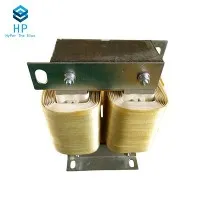
Before delving into the concept of rated current, let's briefly review what filter inductors are. A filter inductor is a passive electronic component that stores energy in a magnetic field when an electric current flows through it. It is commonly used in power supply circuits to filter out unwanted electrical noise and ripple, ensuring a stable and clean power output. Filter inductors are widely employed in various applications, including power supplies, inverters, motor drives, and communication equipment.
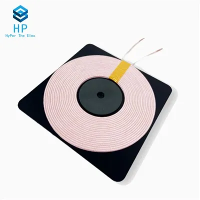
There are different types of filter inductors, such as Coil Inductor, Filter Inductor, and PFC Inductor. Each type has its unique characteristics and applications, but they all share the fundamental function of filtering electrical signals.


What is Rated Current?
The rated current of a filter inductor is the maximum continuous current that the inductor can carry without exceeding its specified temperature rise or core saturation limit. It is a crucial parameter that determines the inductor's ability to handle the electrical load in a given application. When the current flowing through the inductor exceeds its rated current, several issues may arise, including overheating, increased power losses, and reduced inductance value.
The rated current is typically specified by the manufacturer and is based on a set of standard test conditions, such as ambient temperature, mounting method, and airflow. It is important to note that the actual maximum current that an inductor can handle may vary depending on the operating conditions. For example, in a high-temperature environment or with limited airflow, the inductor's ability to dissipate heat is reduced, which may require a derating of the rated current.
Factors Affecting Rated Current
Several factors influence the rated current of a filter inductor. Understanding these factors is essential for selecting the right inductor for a specific application.
Core Material
The core material of the inductor plays a significant role in determining its rated current. Different core materials have different magnetic properties, such as permeability and saturation flux density. Materials with high saturation flux density can handle higher currents without saturating, allowing for a higher rated current. Common core materials used in filter inductors include ferrite, iron powder, and laminated cores.
Coil Resistance
The resistance of the inductor's coil also affects its rated current. A higher coil resistance results in increased power losses in the form of heat, which can limit the inductor's ability to carry current. Therefore, inductors with lower coil resistance are generally capable of handling higher currents. The coil resistance is influenced by factors such as the wire gauge, number of turns, and the type of conductor material used.
Temperature Rise
As current flows through the inductor, it generates heat due to the power losses in the coil and the core. The temperature rise of the inductor is a critical factor in determining its rated current. Excessive temperature rise can lead to premature aging of the inductor, reduced insulation resistance, and even thermal runaway. Manufacturers typically specify the maximum allowable temperature rise for an inductor, and the rated current is determined based on this limit.
Core Saturation
Core saturation occurs when the magnetic field in the core reaches its maximum capacity and can no longer increase proportionally with the current. When the core saturates, the inductance value of the inductor decreases significantly, which can affect the performance of the filter circuit. The rated current of the inductor is limited to prevent core saturation under normal operating conditions.
Importance of Rated Current in Applications
Selecting a filter inductor with the appropriate rated current is crucial for the reliable operation of electrical systems. Here are some reasons why the rated current matters:
System Reliability
Using an inductor with a rated current that is too low for the application can lead to overheating and premature failure of the component. This can result in system downtime, increased maintenance costs, and potential safety hazards. On the other hand, choosing an inductor with a rated current that is significantly higher than required may increase the cost and size of the system without providing any additional benefits.
Filter Performance
The rated current affects the performance of the filter circuit. When the current exceeds the rated current, the inductance value may decrease, which can reduce the filter's ability to attenuate unwanted frequencies. This can result in poor signal quality, increased electromagnetic interference (EMI), and reduced overall system performance.
Energy Efficiency
Inductors with higher rated currents typically have lower coil resistance, which means less power is wasted as heat. This can improve the energy efficiency of the system, reducing operating costs and environmental impact.
How to Select the Right Rated Current
When selecting a filter inductor for a specific application, it is important to consider the following steps:
Determine the Load Current
The first step is to determine the maximum continuous current that the inductor will need to carry in the application. This can be calculated based on the power requirements of the load and the operating voltage.
Consider the Operating Conditions
Take into account the ambient temperature, airflow, and other operating conditions that may affect the inductor's performance. If the operating environment is harsh, such as in a high-temperature or high-humidity area, a derating of the rated current may be necessary.
Evaluate the Filter Requirements
Consider the specific filtering requirements of the application, such as the frequency range to be filtered and the desired attenuation level. This will help determine the appropriate inductance value and other characteristics of the inductor.
Consult the Manufacturer
If you are unsure about which inductor to choose, it is always a good idea to consult the manufacturer or a technical expert. They can provide valuable advice based on their experience and knowledge of the products.
Conclusion
In conclusion, the rated current of a filter inductor is a critical parameter that determines its ability to handle electrical loads and ensure the reliable operation of electrical systems. By understanding the factors that affect rated current and following the proper selection guidelines, you can choose the right inductor for your application, optimizing performance, reliability, and energy efficiency.
If you are in the market for high-quality filter inductors, we are here to help. As a leading supplier of Filter Inductor, we offer a wide range of products with different rated currents and specifications to meet your specific needs. Contact us today to discuss your requirements and start a procurement negotiation.
References
- Grover, F. W. (1946). Inductance Calculations: Working Formulas and Tables. Dover Publications.
- Zverev, A. I. (1967). Handbook of Filter Synthesis. Wiley-Interscience.
- Terman, F. E. (1955). Electronics and Radio Engineering. McGraw-Hill.