




Hey there! As an inductor supplier, I often get asked about the rated current of inductors. It's a crucial topic, especially for those who rely on these components in their electronic projects. So, let's dive right in and explore what the rated current of an inductor really means.
What is the Rated Current of an Inductor?
The rated current of an inductor is basically the maximum amount of current that the inductor can handle without experiencing significant performance degradation or damage. It's an important parameter because if you exceed this current, it can lead to overheating, which in turn can affect the inductor's inductance value and even cause it to fail.
There are a couple of different types of rated currents that you'll often come across: saturation current and temperature rise current.
Saturation Current
The saturation current is the current level at which the inductor's core starts to saturate. When an inductor's core saturates, its inductance value drops significantly. This can be a big problem in many applications because the inductor relies on its inductance to perform its function, such as filtering or energy storage.
For example, in a power supply circuit, if the inductor saturates, it won't be able to store and release energy properly, which can lead to voltage spikes and instability in the power supply. So, it's important to choose an inductor with a saturation current that is higher than the maximum current that the circuit is expected to draw.
Temperature Rise Current
The temperature rise current is the current at which the inductor's temperature will rise by a specified amount, usually around 40°C or 50°C above the ambient temperature. This is important because excessive heat can damage the inductor's insulation and other components, and it can also reduce the inductor's lifespan.
To determine the temperature rise current, manufacturers typically test the inductor under specific conditions, such as a certain ambient temperature and airflow. They then measure the temperature rise of the inductor as the current is increased until it reaches the specified temperature rise.


Factors Affecting the Rated Current
Several factors can affect the rated current of an inductor. Let's take a look at some of the most important ones.
Core Material
The core material of an inductor plays a big role in determining its rated current. Different core materials have different magnetic properties, which can affect the inductor's saturation current and temperature rise.
For example, ferrite cores are commonly used in inductors because they have high permeability, which means they can store a lot of magnetic energy. However, ferrite cores also have a relatively low saturation flux density, which means they can saturate at relatively low currents. On the other hand, powdered iron cores have a higher saturation flux density, but they also have higher losses, which can lead to more heat generation.
Inductor Design
The design of the inductor, including its shape, size, and winding configuration, can also affect its rated current. For example, a toroidal inductor, like the ones you can find Toroidal Inductors, has a more uniform magnetic field compared to other types of inductors, which can result in lower losses and higher efficiency. This can allow the toroidal inductor to handle higher currents without overheating.
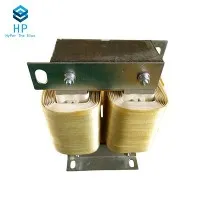
Similarly, edgewise wound inductors, such as those on Edgewise Wound Inductors, are designed to have a larger surface area, which helps to dissipate heat more effectively. This can increase the inductor's temperature rise current.
Cooling Conditions
The cooling conditions around the inductor can also have a significant impact on its rated current. If the inductor is placed in a well-ventilated area with good airflow, it will be able to dissipate heat more effectively, which means it can handle higher currents without overheating. On the other hand, if the inductor is enclosed in a small, poorly ventilated space, it will be more likely to overheat, and its rated current will need to be reduced.
Why is the Rated Current Important?
Understanding the rated current of an inductor is crucial for several reasons.
Circuit Performance
As mentioned earlier, if the current exceeds the inductor's rated current, it can lead to performance degradation. For example, in a filter circuit, if the inductor saturates, it won't be able to filter out unwanted frequencies effectively, which can result in poor signal quality.
Component Reliability
Exceeding the rated current can also reduce the reliability of the inductor and other components in the circuit. Overheating can cause the inductor's insulation to break down, which can lead to short circuits and other failures. This can not only damage the inductor but also other components in the circuit, and it can even pose a safety hazard.
Cost Efficiency
Choosing an inductor with the right rated current can also help to improve cost efficiency. If you choose an inductor with a rated current that is too high, you may end up paying more for a component that you don't really need. On the other hand, if you choose an inductor with a rated current that is too low, you may experience performance issues and component failures, which can end up costing you more in the long run.
How to Choose the Right Inductor Based on Rated Current
When choosing an inductor for your application, it's important to consider the maximum current that the circuit is expected to draw. You should also take into account the operating conditions, such as the ambient temperature and airflow, as these can affect the inductor's rated current.
Here are some steps to help you choose the right inductor based on rated current:
- Determine the maximum current: Calculate or measure the maximum current that the circuit is expected to draw. This will give you a starting point for choosing an inductor.
- Consider the operating conditions: Take into account the ambient temperature, airflow, and other operating conditions. If the operating conditions are harsh, you may need to choose an inductor with a higher rated current to ensure reliable operation.
- Choose the right core material and design: Based on your requirements, choose an inductor with the appropriate core material and design. For example, if you need a high saturation current, you may want to consider a powdered iron core inductor. If you need a high temperature rise current, you may want to choose an inductor with a large surface area, such as an edgewise wound inductor.
- Check the datasheet: Before making a final decision, check the datasheet of the inductor to ensure that it meets your requirements. The datasheet should provide information about the inductor's rated current, saturation current, temperature rise current, and other important parameters.
Our Inductor Offerings
As an inductor supplier, we offer a wide range of inductors with different rated currents to meet the needs of various applications. Whether you need a toroidal inductor for a differential mode application, an edgewise wound inductor for a common mode application, or a square common-mode inductor, like the ones on Square Common-mode Inductors, we've got you covered.
Our inductors are designed and manufactured to the highest quality standards, and we use only the best materials to ensure reliable performance. We also offer custom solutions to meet your specific requirements, so if you have a unique application, don't hesitate to contact us.
Conclusion
In conclusion, the rated current of an inductor is a critical parameter that can have a significant impact on the performance and reliability of your electronic circuits. By understanding the different types of rated currents, the factors that affect them, and how to choose the right inductor based on rated current, you can ensure that your circuits operate efficiently and reliably.
If you're in the market for inductors or have any questions about rated current or our products, feel free to reach out to us. We're here to help you find the right inductor for your application.
References
- "Inductor Basics," Electronics Tutorials.
- "Understanding Inductor Current Ratings," Power Electronics Technology.