


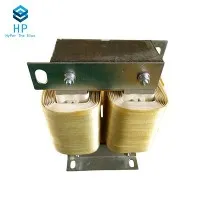


The rated power of a PFC (Power Factor Correction) inductor is a crucial parameter that determines its performance and suitability for various applications. As a leading PFC Inductor supplier, we understand the significance of this specification and are committed to providing high-quality inductors with accurate rated power ratings. In this blog post, we will delve into the concept of rated power for PFC inductors, its importance, and how it impacts the overall performance of power electronic systems.
Understanding PFC Inductors
Before we discuss the rated power of PFC inductors, let's briefly understand what PFC inductors are and their role in power electronic systems. PFC inductors are essential components in power factor correction circuits, which are used to improve the power factor of electrical loads. The power factor is a measure of how effectively electrical power is being used, and a low power factor can result in increased energy consumption, higher electricity bills, and reduced efficiency of the power distribution system.
PFC inductors work by storing and releasing energy in the form of a magnetic field, which helps to smooth out the current waveform and reduce the harmonic distortion caused by non-linear loads. By improving the power factor, PFC inductors can help to reduce energy losses, improve the efficiency of the power supply, and comply with regulatory requirements for power quality.
What is Rated Power?
The rated power of a PFC inductor is the maximum power that the inductor can handle continuously without exceeding its specified temperature rise. It is typically specified in watts (W) and is an important parameter to consider when selecting a PFC inductor for a particular application. The rated power of a PFC inductor depends on several factors, including the core material, the number of turns, the wire gauge, and the operating frequency.
The core material of a PFC inductor plays a crucial role in determining its rated power. Different core materials have different magnetic properties, such as permeability, saturation flux density, and core loss. For example, ferrite cores are commonly used in PFC inductors due to their high permeability, low core loss, and excellent temperature stability. However, ferrite cores have a relatively low saturation flux density, which means that they can only handle a limited amount of magnetic flux before saturating. On the other hand, powdered iron cores have a higher saturation flux density but a higher core loss, which makes them more suitable for high-power applications.
The number of turns and the wire gauge of a PFC inductor also affect its rated power. Increasing the number of turns or using a thicker wire can increase the inductance of the inductor, which can help to reduce the ripple current and improve the power factor. However, increasing the number of turns or using a thicker wire also increases the resistance of the inductor, which can result in higher copper losses and a lower efficiency. Therefore, it is important to find the right balance between the inductance and the resistance of the inductor to achieve the desired performance.


The operating frequency of a PFC inductor is another important factor that affects its rated power. As the operating frequency increases, the core loss and the copper loss of the inductor also increase, which can reduce the efficiency and the rated power of the inductor. Therefore, it is important to select a PFC inductor that is designed to operate at the specific frequency of the application.
Importance of Rated Power
The rated power of a PFC inductor is an important parameter that determines its performance and reliability in power electronic systems. If the rated power of the inductor is too low for the application, the inductor may overheat, which can lead to premature failure and reduced reliability. On the other hand, if the rated power of the inductor is too high for the application, the inductor may be larger and more expensive than necessary, which can increase the cost and the size of the power supply.
Therefore, it is important to select a PFC inductor with the appropriate rated power for the application. This requires a careful consideration of the power requirements of the load, the operating frequency, the ambient temperature, and other factors that may affect the performance of the inductor. As a PFC Inductor supplier, we can provide technical support and assistance to help our customers select the right inductor for their specific application.
How to Determine the Rated Power of a PFC Inductor
Determining the rated power of a PFC inductor requires a combination of theoretical calculations and practical testing. The following steps can be used to determine the rated power of a PFC inductor:
- Define the application requirements: The first step is to define the power requirements of the load, the operating frequency, the ambient temperature, and other factors that may affect the performance of the inductor.
- Select the core material: Based on the application requirements, select a core material that has the appropriate magnetic properties for the application. Consider factors such as permeability, saturation flux density, core loss, and temperature stability.
- Calculate the inductance: Use the application requirements and the selected core material to calculate the required inductance of the inductor. Consider factors such as the ripple current, the power factor, and the operating frequency.
- Determine the number of turns and the wire gauge: Based on the calculated inductance, determine the number of turns and the wire gauge of the inductor. Consider factors such as the resistance, the copper loss, and the efficiency of the inductor.
- Calculate the rated power: Use the application requirements, the selected core material, the calculated inductance, the number of turns, and the wire gauge to calculate the rated power of the inductor. Consider factors such as the core loss, the copper loss, and the temperature rise of the inductor.
- Test the inductor: Once the inductor has been designed and manufactured, test the inductor to verify its performance and rated power. Use a power analyzer or other testing equipment to measure the power factor, the ripple current, the temperature rise, and other parameters of the inductor.
Impact of Rated Power on System Performance
The rated power of a PFC inductor can have a significant impact on the performance and efficiency of power electronic systems. A PFC inductor with a higher rated power can handle more power without overheating, which can improve the reliability and the lifespan of the inductor. However, a PFC inductor with a higher rated power may also be larger and more expensive than a PFC inductor with a lower rated power.
Therefore, it is important to find the right balance between the rated power and the size and cost of the inductor. In some cases, it may be possible to use a smaller and less expensive PFC inductor by using a higher operating frequency or by optimizing the design of the power factor correction circuit. However, in other cases, it may be necessary to use a larger and more expensive PFC inductor to ensure the reliability and the performance of the power supply.
Conclusion
In conclusion, the rated power of a PFC inductor is a crucial parameter that determines its performance and suitability for various applications. As a PFC Inductor supplier, we understand the importance of this specification and are committed to providing high-quality inductors with accurate rated power ratings. By carefully considering the application requirements, the core material, the number of turns, the wire gauge, and the operating frequency, we can help our customers select the right inductor for their specific application.
If you are interested in learning more about PFC inductors or need assistance in selecting the right inductor for your application, please visit our website at PFC Inductor. We also offer a wide range of other inductors, including BUCK Inductor and Coil Inductor. Our team of technical experts is available to provide you with the support and assistance you need to make the right decision. Contact us today to start the procurement negotiation process and find the best solution for your power electronic needs.
References
- “Power Factor Correction (PFC) Design Guide,” Texas Instruments, 2023.
- “Inductor Design Handbook,” Würth Elektronik, 2022.
- “Magnetic Materials for Power Electronics,” Magnetics Design Group, 2021.