




In the realm of DC power distribution systems, filter inductors play a pivotal role that is often underestimated. As a supplier of filter inductors, I have witnessed firsthand the transformative impact these components can have on the performance and reliability of various electrical setups. In this blog, I aim to delve into the multifaceted role of filter inductors in DC power distribution systems, exploring their functions, benefits, and real - world applications.
Understanding the Basics of Filter Inductors
Before we explore their role in DC power distribution, it's essential to understand what a filter inductor is. An inductor is a passive electrical component that stores energy in a magnetic field when an electric current flows through it. A filter inductor is specifically designed to filter out unwanted electrical noise and fluctuations in a circuit.
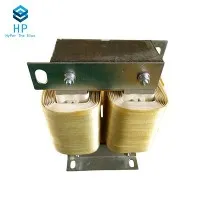
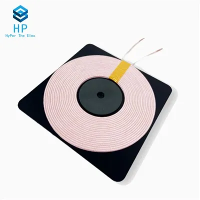
Filter inductors come in various types, each with its own unique characteristics and applications. For instance, the Coil Inductor is a common type that consists of a coil of wire. It is widely used due to its simplicity and effectiveness in filtering out high - frequency noise. The BUCK Inductor is another important type, which is commonly used in buck converters to step down the voltage in a DC power system. And the Toroidal Inductors are known for their high inductance values and low electromagnetic interference (EMI), making them suitable for applications where space is limited and EMI needs to be minimized.


Role in Noise Filtering
One of the primary roles of a filter inductor in a DC power distribution system is to filter out electrical noise. In a typical DC power system, there are numerous sources of noise, such as switching regulators, motors, and other electronic devices. This noise can manifest as unwanted voltage spikes, ripples, or electromagnetic interference, which can disrupt the normal operation of sensitive electronic equipment.
A filter inductor acts as a barrier to this noise. When an alternating current (AC) component of the electrical noise tries to pass through the inductor, the inductor resists the change in current according to Lenz's law. The magnetic field generated by the inductor opposes the change in current, effectively reducing the amplitude of the AC noise. As a result, only the smooth DC component of the power supply reaches the load, ensuring stable and reliable operation of the connected devices.
For example, in a data center, where thousands of servers are powered by DC power distribution systems, even a small amount of electrical noise can cause data corruption or system failures. By using high - quality filter inductors, the power supply to the servers can be kept clean and free from noise, reducing the risk of downtime and improving the overall efficiency of the data center.
Role in Voltage Regulation
Filter inductors also play a crucial role in voltage regulation within a DC power distribution system. In a DC power system, the voltage can fluctuate due to changes in the load, the power source, or other external factors. These voltage fluctuations can be detrimental to the performance and lifespan of electronic devices.
In a buck converter, for instance, the BUCK Inductor is used to store energy during the on - time of the switching transistor and release it during the off - time. This process helps to smooth out the output voltage and maintain a relatively constant voltage level across the load. By adjusting the inductance value and the switching frequency, the output voltage can be precisely regulated to meet the requirements of the load.
In a battery - powered system, filter inductors can help to regulate the voltage supplied by the battery as it discharges. As the battery voltage drops over time, the inductor can work in conjunction with other components such as capacitors and voltage regulators to ensure that the connected devices receive a stable and consistent voltage supply.
Role in Power Factor Correction
Power factor correction (PFC) is an important aspect of DC power distribution systems, especially in large - scale industrial applications. A low power factor means that the electrical system is not using the electrical energy efficiently, resulting in higher energy costs and increased stress on the power grid.
Filter inductors can be used in PFC circuits to improve the power factor. In a PFC circuit, the inductor is used to shape the input current waveform to be more in phase with the input voltage waveform. By doing so, the reactive power in the circuit is reduced, and the power factor is increased. This not only improves the energy efficiency of the system but also reduces the harmonic distortion in the power grid, which is beneficial for the overall stability of the electrical network.
Real - World Applications
The importance of filter inductors in DC power distribution systems can be seen in a wide range of real - world applications. In the automotive industry, DC power systems are used to power various electronic components in vehicles, such as infotainment systems, engine control units, and lighting systems. Filter inductors are used to ensure that these components receive a clean and stable power supply, reducing the risk of electrical malfunctions and improving the overall safety and reliability of the vehicle.
In the renewable energy sector, such as solar and wind power systems, DC power distribution is common. Filter inductors are used to filter out the noise generated by the power converters and to regulate the voltage output from the renewable energy sources. This helps to improve the efficiency of the power conversion process and ensure that the electricity generated can be safely and effectively integrated into the power grid.
Benefits of Using Our Filter Inductors
As a supplier of filter inductors, we offer a wide range of products that are designed to meet the diverse needs of our customers. Our filter inductors are manufactured using high - quality materials and advanced manufacturing processes, ensuring excellent performance and reliability.
We have a team of experienced engineers who can provide technical support and guidance to our customers. Whether you need help in selecting the right inductor for your specific application or have questions about the installation and operation of the inductors, our engineers are always ready to assist you.
Our products are also competitively priced, offering you the best value for your money. We understand the importance of cost - effectiveness in today's market, and we strive to provide high - quality filter inductors at affordable prices.
Conclusion
In conclusion, filter inductors are indispensable components in DC power distribution systems. They play a vital role in noise filtering, voltage regulation, and power factor correction, ensuring the stable, reliable, and efficient operation of electronic devices. Whether you are in the data center, automotive, renewable energy, or any other industry that relies on DC power, the proper use of filter inductors can significantly improve the performance and longevity of your electrical systems.
If you are looking for high - quality filter inductors for your DC power distribution system, we invite you to contact us for a detailed discussion. Our team is eager to work with you to find the best solutions for your specific needs. Let's work together to build a more stable and efficient DC power distribution system.
References
- Chapman, S. J. (2012). Electric Machinery Fundamentals. McGraw - Hill Education.
- Mohan, N., Undeland, T. M., & Robbins, W. P. (2012). Power Electronics: Converters, Applications, and Design. John Wiley & Sons.
- Dorf, R. C., & Svoboda, J. A. (2018). Introduction to Electric Circuits. Wiley.