


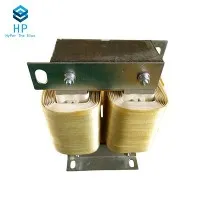

In the world of electronic components, filter inductors play a crucial role in ensuring the smooth operation of various electrical circuits. As a seasoned supplier of Filter Inductor, I've witnessed firsthand the significance of understanding the stability of these essential components. In this blog post, I'll delve into what the stability of a filter inductor entails, why it matters, and how it impacts the overall performance of electronic systems.
Understanding Filter Inductors
Before we dive into the concept of stability, let's briefly recap what a filter inductor is. A filter inductor is a passive electronic component that stores energy in a magnetic field when an electric current flows through it. It is commonly used in power supplies, audio systems, and other electronic devices to filter out unwanted frequencies and noise, allowing only the desired signals to pass through.


Filter inductors come in various types, including PFC Inductor, which are used in power factor correction circuits to improve the efficiency of electrical systems, and BUCK Inductor, which are used in buck converters to step down the voltage. Each type of filter inductor has its own unique characteristics and applications, but they all share the common goal of providing stable and reliable performance.
What is the Stability of a Filter Inductor?
The stability of a filter inductor refers to its ability to maintain its electrical characteristics over time and under various operating conditions. These characteristics include inductance, resistance, and quality factor, which are all critical parameters that determine the performance of the inductor.
Inductance Stability
Inductance is the most fundamental property of a filter inductor, and its stability is crucial for ensuring the proper functioning of the circuit. Inductance stability refers to the ability of the inductor to maintain a constant inductance value over a wide range of frequencies, temperatures, and currents. A stable inductance value ensures that the filter inductor will provide consistent filtering performance, regardless of the operating conditions.
Several factors can affect the inductance stability of a filter inductor, including the core material, winding design, and temperature. For example, some core materials, such as ferrite, have a high temperature coefficient of inductance, which means that their inductance value will change significantly with temperature. To ensure inductance stability, it is important to choose a core material with a low temperature coefficient of inductance and to design the winding in a way that minimizes the effects of temperature and other environmental factors.
Resistance Stability
Resistance is another important parameter that affects the performance of a filter inductor. Resistance stability refers to the ability of the inductor to maintain a constant resistance value over time and under various operating conditions. A stable resistance value ensures that the inductor will not introduce excessive power losses or voltage drops into the circuit, which can degrade the performance of the filter.
The resistance of a filter inductor is primarily determined by the winding material and the number of turns in the winding. To ensure resistance stability, it is important to choose a high-quality winding material with low resistivity and to design the winding in a way that minimizes the effects of temperature and other environmental factors. Additionally, proper insulation and shielding can help to reduce the effects of electromagnetic interference (EMI) and other external factors that can affect the resistance of the inductor.
Quality Factor Stability
The quality factor (Q) of a filter inductor is a measure of its efficiency and is defined as the ratio of the inductive reactance to the resistance at a given frequency. A high-quality factor indicates that the inductor has low losses and can store and release energy efficiently. Quality factor stability refers to the ability of the inductor to maintain a constant quality factor over time and under various operating conditions.
A stable quality factor is important for ensuring the proper functioning of the filter, as it determines the selectivity and bandwidth of the filter. To ensure quality factor stability, it is important to choose a core material with low losses and to design the winding in a way that minimizes the effects of resistance and other factors that can reduce the quality factor. Additionally, proper shielding and grounding can help to reduce the effects of EMI and other external factors that can affect the quality factor of the inductor.
Why is the Stability of a Filter Inductor Important?
The stability of a filter inductor is important for several reasons. First and foremost, it ensures the proper functioning of the filter and the overall performance of the electronic system. A stable filter inductor will provide consistent filtering performance, regardless of the operating conditions, which is essential for ensuring the reliability and accuracy of the system.
In addition to improving the performance of the filter, the stability of a filter inductor can also help to reduce the risk of system failures and downtime. A filter inductor that is not stable can introduce noise and interference into the circuit, which can cause the system to malfunction or fail. By ensuring the stability of the filter inductor, you can minimize the risk of these problems and improve the overall reliability of the system.
Finally, the stability of a filter inductor can also have a significant impact on the cost of the electronic system. A stable filter inductor will require less maintenance and replacement over time, which can help to reduce the overall cost of the system. Additionally, a stable filter inductor can improve the efficiency of the system, which can lead to lower energy consumption and cost savings.
How to Ensure the Stability of a Filter Inductor
Ensuring the stability of a filter inductor requires a combination of careful design, high-quality materials, and proper manufacturing processes. Here are some key steps that you can take to ensure the stability of your filter inductors:
Choose the Right Core Material
The core material is one of the most important factors that affect the stability of a filter inductor. Different core materials have different properties, such as permeability, saturation flux density, and temperature coefficient of inductance, which can have a significant impact on the performance of the inductor. To ensure stability, it is important to choose a core material that has a low temperature coefficient of inductance and high permeability, and that is suitable for the specific application.
Optimize the Winding Design
The winding design is another important factor that affects the stability of a filter inductor. The number of turns, the wire gauge, and the winding pattern can all have a significant impact on the inductance, resistance, and quality factor of the inductor. To ensure stability, it is important to optimize the winding design to minimize the effects of temperature, resistance, and other factors that can affect the performance of the inductor.
Control the Manufacturing Process
The manufacturing process is also critical for ensuring the stability of a filter inductor. Proper manufacturing techniques, such as precision winding, insulation, and encapsulation, can help to ensure that the inductor is built to the highest standards of quality and reliability. Additionally, rigorous testing and quality control procedures can help to identify and eliminate any potential issues or defects before the inductor is shipped to the customer.
Conclusion
In conclusion, the stability of a filter inductor is a critical factor that affects the performance, reliability, and cost of electronic systems. By understanding what the stability of a filter inductor entails and taking the necessary steps to ensure it, you can ensure the proper functioning of your filters and the overall performance of your electronic systems.
As a leading supplier of Filter Inductor, we are committed to providing our customers with high-quality, stable, and reliable filter inductors that meet their specific needs and requirements. If you are interested in learning more about our products or would like to discuss your specific application, please don't hesitate to contact us. We look forward to working with you to provide the best possible solutions for your electronic systems.
References
- Grover, F. W. (1946). Inductance Calculations: Working Formulas and Tables. Dover Publications.
- Chen, W. K. (Ed.). (1988). The Circuits and Filters Handbook. CRC Press.
- Dorf, R. C., & Svoboda, J. A. (2018). Introduction to Electric Circuits. Wiley.