


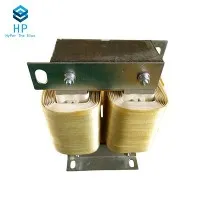

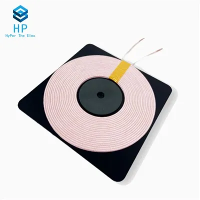

As a dedicated supplier of Encapsulated Coils, I'm often confronted with a plethora of inquiries from clients across various industries. One question that frequently surfaces is whether encapsulated coils are resistant to salt spray. This query is of utmost importance, especially for applications in marine, coastal, and industrial environments where the corrosive nature of salt spray can significantly impact the performance and longevity of electrical components. In this blog post, I will delve into the science behind encapsulated coils and their resistance to salt spray, drawing on our extensive experience in the field.
Understanding Encapsulated Coils
Before we explore the resistance of encapsulated coils to salt spray, it's essential to understand what encapsulated coils are and how they are constructed. Encapsulated coils are electrical coils that are enclosed in a protective material, typically a polymer resin. This encapsulation serves multiple purposes: it provides mechanical protection to the coil, insulates the electrical windings, and shields the coil from environmental factors such as moisture, dust, and chemicals.
The encapsulation process involves carefully applying the resin to the coil, ensuring that it completely covers the windings and fills any gaps or voids. This creates a hermetic seal that prevents the ingress of moisture and other contaminants, which can cause corrosion and electrical failures. The choice of encapsulation material is crucial, as it must have the appropriate mechanical, electrical, and chemical properties to withstand the specific operating conditions of the coil.
The Impact of Salt Spray on Electrical Components
Salt spray is a major environmental hazard for electrical components, particularly those used in marine and coastal applications. When saltwater evaporates, it leaves behind tiny salt crystals that can settle on the surface of the components. These salt crystals are highly hygroscopic, meaning they attract and absorb moisture from the air. As a result, a thin layer of electrolyte solution is formed on the surface of the component, which can cause corrosion.
Corrosion is a chemical process that occurs when a metal reacts with its environment, resulting in the deterioration of the metal's physical and chemical properties. In the case of electrical components, corrosion can cause a range of problems, including reduced electrical conductivity, increased resistance, and mechanical failure. Over time, corrosion can lead to the complete failure of the component, resulting in costly repairs and downtime.
Are Encapsulated Coils Resistant to Salt Spray?
The short answer is yes, encapsulated coils are generally resistant to salt spray. The encapsulation material provides a physical barrier between the coil and the salt spray, preventing the salt crystals from coming into contact with the electrical windings. Additionally, the encapsulation material is typically resistant to moisture and chemicals, which helps to protect the coil from the corrosive effects of the salt spray.
However, it's important to note that the level of resistance to salt spray can vary depending on several factors, including the type of encapsulation material, the quality of the encapsulation process, and the specific operating conditions of the coil. For example, some encapsulation materials may be more resistant to salt spray than others, depending on their chemical composition and physical properties. Similarly, a poorly encapsulated coil may have gaps or voids in the encapsulation material, which can allow salt spray to penetrate and cause corrosion.
Factors Affecting the Salt Spray Resistance of Encapsulated Coils
Type of Encapsulation Material
The choice of encapsulation material is one of the most important factors affecting the salt spray resistance of encapsulated coils. Different encapsulation materials have different levels of resistance to moisture, chemicals, and mechanical stress, which can impact their ability to protect the coil from salt spray.
Some common encapsulation materials used for coils include epoxy resin, polyurethane resin, and silicone rubber. Epoxy resin is a popular choice for its excellent adhesion, mechanical strength, and chemical resistance. Polyurethane resin is known for its flexibility, impact resistance, and resistance to moisture. Silicone rubber is valued for its high temperature resistance, electrical insulation properties, and resistance to UV radiation.
When selecting an encapsulation material for a coil that will be exposed to salt spray, it's important to choose a material that has a high level of resistance to moisture and chemicals. Additionally, the material should have good adhesion to the coil and be able to withstand the mechanical stress of the application.
Quality of the Encapsulation Process
The quality of the encapsulation process is another critical factor affecting the salt spray resistance of encapsulated coils. A poorly encapsulated coil may have gaps or voids in the encapsulation material, which can allow salt spray to penetrate and cause corrosion. Additionally, the encapsulation material may not adhere properly to the coil, which can lead to delamination and further damage.
To ensure the quality of the encapsulation process, it's important to use a reputable manufacturer that has experience in encapsulating coils. The manufacturer should have strict quality control measures in place to ensure that the encapsulation material is applied evenly and completely covers the coil. Additionally, the manufacturer should test the encapsulated coils to ensure that they meet the required specifications for salt spray resistance.
Operating Conditions
The specific operating conditions of the coil can also impact its resistance to salt spray. For example, coils that are exposed to high levels of salt spray, high humidity, or extreme temperatures may be more susceptible to corrosion than coils that are operated in more benign environments.
To minimize the risk of corrosion, it's important to choose an encapsulated coil that is designed to withstand the specific operating conditions of the application. Additionally, the coil should be installed and maintained properly to ensure that it is protected from salt spray and other environmental factors.
Testing the Salt Spray Resistance of Encapsulated Coils
To determine the salt spray resistance of encapsulated coils, manufacturers typically conduct salt spray tests in accordance with international standards such as ISO 9227 or ASTM B117. These tests involve exposing the encapsulated coils to a controlled salt spray environment for a specified period of time and then evaluating the extent of corrosion damage.
During the salt spray test, the coils are placed in a test chamber and exposed to a saltwater mist at a specific temperature and humidity. The saltwater mist is typically a 5% sodium chloride solution, which is designed to simulate the corrosive effects of salt spray in a marine or coastal environment.
After the specified test period, the coils are removed from the test chamber and examined for signs of corrosion. The extent of corrosion damage is typically evaluated using a rating system that assigns a numerical value to the amount of corrosion present on the surface of the coil.
Real-World Applications of Encapsulated Coils in Salt Spray Environments
Encapsulated coils are widely used in a variety of applications where resistance to salt spray is essential. Some common applications include:
- Marine and Coastal Equipment: Encapsulated coils are used in a wide range of marine and coastal equipment, including navigation lights, bilge pumps, and winches. These coils are designed to withstand the harsh marine environment, which includes exposure to salt spray, high humidity, and extreme temperatures.
- Industrial Machinery: Encapsulated coils are also used in industrial machinery that is exposed to salt spray or other corrosive chemicals. For example, coils are used in pumps, valves, and actuators in the chemical processing, oil and gas, and food and beverage industries.
- Automotive Electronics: Encapsulated coils are used in automotive electronics to provide reliable electrical control in harsh environments. These coils are used in applications such as fuel injectors, solenoid valves, and ignition systems.
Conclusion
In conclusion, encapsulated coils are generally resistant to salt spray, thanks to the protective barrier provided by the encapsulation material. However, the level of resistance can vary depending on several factors, including the type of encapsulation material, the quality of the encapsulation process, and the specific operating conditions of the coil.


As a supplier of encapsulated coils, we understand the importance of providing high-quality products that are designed to withstand the harsh conditions of salt spray environments. We use only the highest quality encapsulation materials and employ strict quality control measures to ensure that our coils meet the required specifications for salt spray resistance.
If you are in need of encapsulated coils for an application that requires resistance to salt spray, please don't hesitate to [contact us for procurement discussions]. We would be happy to discuss your specific requirements and provide you with a customized solution that meets your needs.
References
- ISO 9227:2017, Corrosion tests in artificial atmospheres -- Salt spray tests.
- ASTM B117-19, Standard Practice for Operating Salt Spray (Fog) Apparatus.