


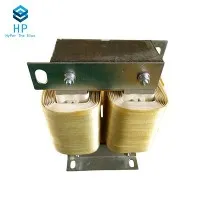



Can a saturated reactor be repaired? That's a question I get asked a lot as a supplier of saturated reactors. In this blog post, I'll share my insights on whether saturated reactors can be repaired, what factors to consider, and how to go about the repair process.


First off, let's understand what a saturated reactor is. A saturated reactor is an electrical device that uses the magnetic saturation of a core to control the flow of current. It's commonly used in power systems for various applications, such as voltage regulation, harmonic filtering, and power factor correction.
Now, the big question: Can a saturated reactor be repaired? The short answer is yes, in many cases, a saturated reactor can be repaired. However, it depends on several factors, including the nature and extent of the damage, the age of the reactor, and the availability of replacement parts.
Common Causes of Saturated Reactor Damage
Before we dive into the repair process, let's take a look at some common causes of saturated reactor damage:
- Overheating: Excessive heat can cause the insulation on the windings to degrade, leading to short circuits or open circuits. This can be caused by overloading, poor ventilation, or a malfunctioning cooling system.
- Mechanical Damage: Physical damage to the reactor, such as a cracked core or broken windings, can occur due to vibration, impact, or improper handling.
- Electrical Surges: Sudden electrical surges, such as lightning strikes or power grid disturbances, can cause damage to the reactor's components.
- Aging: Over time, the insulation and other components of the reactor can deteriorate, leading to reduced performance and potential failure.
Assessing the Damage
The first step in determining whether a saturated reactor can be repaired is to assess the damage. This typically involves a visual inspection of the reactor, as well as electrical testing to identify any faults or malfunctions. Here are some key steps in the assessment process:
- Visual Inspection: Look for signs of physical damage, such as cracks, burns, or loose connections. Check the insulation for signs of degradation, such as discoloration or brittleness.
- Electrical Testing: Use a multimeter or other electrical testing equipment to measure the resistance, capacitance, and inductance of the reactor's windings. Compare the measured values to the manufacturer's specifications to identify any deviations.
- Core Testing: If the core is suspected of being damaged, it may be necessary to perform a core loss test or other specialized tests to determine its condition.
Repair Options
Once the damage has been assessed, there are several repair options available, depending on the nature and extent of the damage:
- Component Replacement: If the damage is limited to a specific component, such as a winding or a capacitor, it may be possible to replace the damaged component. This is often the most cost-effective repair option, especially if the component is readily available.
- Rewinding: If the windings are damaged, it may be necessary to rewind the reactor. This involves removing the old windings and replacing them with new ones. Rewinding can be a time-consuming and expensive process, but it can often restore the reactor to its original performance.
- Core Repair: If the core is damaged, it may be possible to repair or replace it. This can be a complex and expensive process, as the core is a critical component of the reactor.
- Reconditioning: In some cases, it may be possible to recondition the reactor by cleaning, testing, and replacing any worn or damaged components. This can be a cost-effective alternative to replacing the entire reactor.
Factors to Consider
When deciding whether to repair a saturated reactor, there are several factors to consider:
- Cost: The cost of repair should be compared to the cost of replacement. In some cases, it may be more cost-effective to replace the reactor rather than repair it.
- Availability of Parts: The availability of replacement parts can also be a factor. If the parts are difficult to obtain or expensive, it may be more practical to replace the reactor.
- Downtime: The downtime required for repair should also be considered. If the reactor is critical to the operation of the power system, minimizing downtime may be a priority.
- Performance Requirements: The performance requirements of the power system should also be considered. If the reactor needs to meet specific performance criteria, it may be necessary to replace it rather than repair it.
Conclusion
In conclusion, a saturated reactor can be repaired in many cases, but it depends on several factors, including the nature and extent of the damage, the age of the reactor, and the availability of replacement parts. When deciding whether to repair or replace a saturated reactor, it's important to consider the cost, availability of parts, downtime, and performance requirements.
If you're experiencing problems with your saturated reactor or need more information about repair options, don't hesitate to contact us. We're a leading supplier of saturated reactors and have extensive experience in repairing and maintaining these devices. We can help you assess the damage, determine the best repair option, and get your reactor back up and running as quickly as possible.
Whether you're in the market for a new saturated reactor or need to repair an existing one, we're here to help. Contact us today to discuss your needs and learn more about our products and services.
References
- Electrical Power Systems: Principles and Analysis, Fourth Edition by J. Duncan Glover, Mulukutla S. Sarma, and Thomas J. Overbye
- Power System Analysis and Design, Fifth Edition by John J. Grainger, William D. Stevenson Jr., and Stephen T. Bednarz
- Electric Machinery Fundamentals, Fourth Edition by Stephen J. Chapman
You can also check out our other products like Output Reactor, Parallel Resonant Reactor, and Series Resonant Reactor for more options in the field of electric reactors. If you're interested in purchasing or have any questions, feel free to reach out to start a procurement discussion.