




Hey there! As a power transformer supplier, I've been in the thick of the industry for quite a while. One of the most common questions I get from customers is how to achieve impedance matching for a power transformer. It's a crucial aspect that can significantly impact the performance of the transformer and the overall electrical system. So, let's dive right in and explore this topic together.
Understanding Impedance in Power Transformers
First things first, let's talk about what impedance is. In simple terms, impedance is like the electrical resistance of a circuit, but it also takes into account the effects of capacitance and inductance. For a power transformer, impedance plays a vital role in determining how the transformer interacts with the load and the power source.
When the impedance of the transformer doesn't match the impedance of the load or the source, it can lead to a whole bunch of problems. You might experience power losses, voltage drops, and even damage to the transformer or other components in the system. That's why achieving impedance matching is so important.
Why Impedance Matching Matters
Imagine you're trying to transfer water from one tank to another through a pipe. If the pipe is too narrow, the water flow will be restricted, and you won't be able to transfer the water efficiently. On the other hand, if the pipe is too wide, the water might flow too fast and cause a mess. The same principle applies to electrical power transfer in a transformer.


When the impedance is matched, the power transfer between the source, the transformer, and the load is optimized. This means that you'll get the most efficient use of the power, with minimal losses. It also helps to reduce voltage fluctuations and improve the overall stability of the electrical system.
Factors Affecting Impedance in Power Transformers
There are several factors that can affect the impedance of a power transformer. Let's take a look at some of the most important ones:
- Winding Design: The number of turns, the wire gauge, and the way the windings are arranged can all have a significant impact on the impedance. For example, increasing the number of turns in the winding will generally increase the impedance.
- Core Material: The type of core material used in the transformer can also affect the impedance. Different core materials have different magnetic properties, which can influence the inductance and, therefore, the impedance.
- Frequency: The frequency of the electrical signal can also play a role in determining the impedance. Transformers are designed to operate at specific frequencies, and the impedance can change depending on whether the operating frequency is within the designed range.
Methods for Achieving Impedance Matching
1. Selecting the Right Transformer
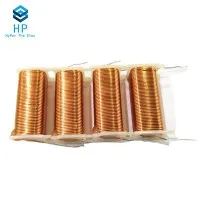
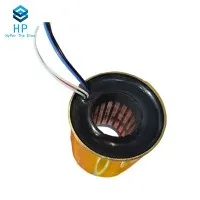
The first step in achieving impedance matching is to select the right transformer for your application. At our company, we offer a wide range of power transformers, including R-type Transformer, Toroidal Transformer, and Power Frequency Transformer. Each type of transformer has its own unique impedance characteristics, so it's important to choose the one that best suits your needs.
When selecting a transformer, you need to consider the impedance requirements of your load and the power source. You can usually find this information in the specifications of the equipment you're using. Make sure to choose a transformer with an impedance that is close to the impedance of the load and the source.
2. Adjusting the Winding Turns
If you already have a transformer and you need to adjust the impedance, one way to do it is by changing the number of turns in the winding. As I mentioned earlier, increasing the number of turns will generally increase the impedance, while decreasing the number of turns will decrease the impedance.
However, this method requires some technical expertise and should only be done by a qualified professional. Making incorrect adjustments to the winding turns can damage the transformer and pose a safety hazard.
3. Using Impedance Matching Networks
Another option for achieving impedance matching is to use impedance matching networks. These are circuits that are designed to adjust the impedance between the transformer and the load or the source. There are several types of impedance matching networks, such as L-networks, T-networks, and Pi-networks.
The choice of impedance matching network depends on the specific requirements of your application. These networks can be quite complex, so it's often a good idea to consult with an electrical engineer or a transformer expert to determine the best solution for your needs.
Testing and Verification
Once you've taken steps to achieve impedance matching, it's important to test and verify that the impedance is indeed matched. You can use a variety of tools and techniques to measure the impedance, such as an impedance analyzer or a network analyzer.
Testing the impedance will help you ensure that the power transfer is efficient and that the electrical system is operating properly. If you find that the impedance is not matched, you may need to make further adjustments or consult with a professional for additional advice.
Conclusion
Achieving impedance matching for a power transformer is a critical aspect of ensuring the efficient and reliable operation of an electrical system. By understanding the factors that affect impedance, selecting the right transformer, and using appropriate methods for adjustment, you can optimize the power transfer and minimize losses.
At our company, we're committed to providing high-quality power transformers and expert advice to help you achieve the best possible performance. If you have any questions about impedance matching or need assistance in selecting the right transformer for your application, don't hesitate to reach out. We're here to help you find the perfect solution for your power needs.
Let's work together to make your electrical systems more efficient and reliable. Contact us today to start the conversation about your transformer requirements and how we can assist you in achieving optimal impedance matching.
References
- Electric Machinery Fundamentals by Stephen J. Chapman
- Power Electronics: Converters, Applications, and Design by Ned Mohan, Tore M. Undeland, and William P. Robbins