


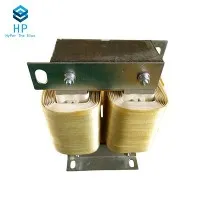



As a seasoned supplier in the power transformer industry, I've witnessed firsthand the pivotal role these devices play in modern electrical systems. Achieving the economic operation of a power transformer is not just a technical challenge; it's a strategic imperative for businesses aiming to optimize costs, enhance efficiency, and contribute to a sustainable future. In this blog, I'll share some insights and practical strategies based on my years of experience in the field.
Understanding the Basics of Power Transformer Economics
Before delving into the strategies for economic operation, it's essential to understand the key factors that influence the cost and efficiency of a power transformer. The primary costs associated with a power transformer include the initial purchase price, installation costs, energy losses during operation, and maintenance expenses over its lifespan. Energy losses, in particular, can have a significant impact on the overall cost of ownership, as they translate into wasted electricity and increased utility bills.
There are two main types of energy losses in a power transformer: no-load losses and load losses. No-load losses, also known as core losses, occur even when the transformer is not supplying any load. These losses are primarily due to the magnetic properties of the core material and the alternating magnetic field within the core. Load losses, on the other hand, are proportional to the square of the load current and are mainly caused by the resistance of the transformer windings.


Selecting the Right Transformer for the Application
One of the most critical steps in achieving economic operation is selecting the right transformer for the specific application. This involves considering factors such as the load requirements, voltage levels, and environmental conditions. For instance, if the load is relatively stable and predictable, a Power Frequency Transformer may be a suitable choice. These transformers are known for their simplicity, reliability, and low cost, making them ideal for many industrial and commercial applications.
On the other hand, if the load is highly variable or requires precise voltage regulation, a Power Electronic Transformer may be more appropriate. These transformers use advanced power electronics technology to provide flexible control of voltage and current, resulting in improved efficiency and reduced energy losses. However, they are generally more expensive than power frequency transformers and may require more sophisticated maintenance and control systems.
Another option to consider is the R-type Transformer. These transformers are designed with a unique toroidal core shape, which offers several advantages over traditional laminated core transformers. R-type transformers have lower core losses, higher efficiency, and better electromagnetic compatibility, making them a popular choice for applications where energy efficiency and low electromagnetic interference are critical.
Optimizing Transformer Loading
Once the right transformer has been selected, it's important to optimize its loading to minimize energy losses. Transformers are most efficient when they are operating at or near their rated capacity. Operating a transformer at a low load factor can result in increased no-load losses relative to the output power, leading to lower overall efficiency.
To optimize transformer loading, it's essential to accurately estimate the load requirements and select a transformer with a capacity that matches the expected load. In some cases, it may be necessary to install multiple transformers and operate them in parallel to meet the load demand more efficiently. This allows for better load sharing and can help to reduce the overall energy losses.
It's also important to monitor the transformer loading regularly and adjust the operation as needed. This can be done using advanced monitoring systems that provide real-time data on the transformer's operating conditions, including the load current, voltage, and temperature. By analyzing this data, operators can identify potential issues and take corrective actions to optimize the transformer's performance.
Minimizing Energy Losses
In addition to optimizing transformer loading, there are several other strategies that can be used to minimize energy losses and improve the economic operation of a power transformer. One of the most effective ways to reduce energy losses is to use high-quality core materials with low hysteresis and eddy current losses. Modern transformer core materials, such as grain-oriented electrical steel, offer significantly lower losses than traditional materials, resulting in improved efficiency and reduced operating costs.
Another strategy is to optimize the transformer design to reduce the resistance of the windings. This can be achieved by using larger conductor sizes, improving the winding configuration, and reducing the length of the winding turns. By reducing the winding resistance, the load losses can be minimized, leading to improved efficiency and lower energy consumption.
Proper maintenance and regular inspections are also essential for minimizing energy losses and ensuring the long-term reliability of a power transformer. This includes checking the oil level and quality, inspecting the insulation, and testing the electrical connections. By detecting and addressing potential issues early, operators can prevent costly breakdowns and extend the lifespan of the transformer.
Implementing Energy Management Systems
To further enhance the economic operation of a power transformer, it's advisable to implement an energy management system (EMS). An EMS is a software-based system that monitors and controls the energy consumption of a facility or a group of facilities. By integrating the transformer monitoring data into the EMS, operators can gain a comprehensive view of the energy usage and identify opportunities for optimization.
An EMS can also be used to implement demand response programs, which allow operators to reduce the electricity consumption during peak demand periods in exchange for financial incentives. By adjusting the transformer loading and other electrical loads based on the real-time electricity prices, operators can take advantage of the lower off-peak rates and reduce the overall energy costs.
Conclusion
Achieving the economic operation of a power transformer requires a comprehensive approach that considers factors such as the transformer selection, loading optimization, energy loss minimization, and the implementation of energy management systems. By following these strategies, businesses can reduce their energy consumption, lower their operating costs, and contribute to a more sustainable future.
If you're interested in learning more about our power transformers or discussing how we can help you achieve economic operation in your electrical system, please feel free to reach out to us. We have a team of experts who can provide you with customized solutions based on your specific requirements.
References
- IEEE Standard C57.12.00-2010, Standard General Requirements for Liquid-Immersed Distribution, Power, and Regulating Transformers.
- IEC 60076-1:2011, Power transformers - Part 1: General.
- DOE Energy Efficiency and Renewable Energy, Transformer Energy Efficiency Standards.