




Selecting the right PFC (Power Factor Correction) inductor for a LED driver is a critical task that can significantly impact the performance, efficiency, and reliability of the lighting system. As a PFC inductor supplier, I understand the importance of making the correct choice, and in this blog, I will guide you through the key factors to consider when selecting a PFC inductor for your LED driver.
Understanding PFC and Its Role in LED Drivers
Power factor correction is a technique used to improve the power factor of an electrical device, which is the ratio of real power (measured in watts) to apparent power (measured in volt-amperes). In LED drivers, PFC is essential to ensure that the driver operates efficiently and complies with regulatory standards. By improving the power factor, PFC reduces the reactive power drawn from the power grid, resulting in lower energy consumption and reduced utility costs.
A PFC inductor is a key component in a PFC circuit, which is used to store and release energy in a controlled manner. The inductor plays a crucial role in shaping the input current waveform to match the input voltage waveform, thereby improving the power factor. When selecting a PFC inductor for a LED driver, it is important to consider several factors, including the inductor's inductance value, current rating, saturation current, and core material.
Factors to Consider When Selecting a PFC Inductor
Inductance Value
The inductance value of a PFC inductor is one of the most important factors to consider. It determines the amount of energy that the inductor can store and release, and it affects the performance of the PFC circuit. The inductance value is typically specified in microhenries (µH) and is selected based on the input voltage, output power, and switching frequency of the LED driver.
A higher inductance value generally results in a smoother input current waveform and lower ripple current, which can improve the power factor and reduce electromagnetic interference (EMI). However, a higher inductance value also increases the size and cost of the inductor. Therefore, it is important to strike a balance between the inductance value and the size and cost of the inductor.
Current Rating
The current rating of a PFC inductor is another important factor to consider. It determines the maximum current that the inductor can handle without saturating. The current rating is typically specified in amperes (A) and is selected based on the input current and the peak current of the LED driver.
A higher current rating generally results in a more robust inductor that can handle higher currents without saturating. However, a higher current rating also increases the size and cost of the inductor. Therefore, it is important to select an inductor with a current rating that is appropriate for the application.
Saturation Current
The saturation current of a PFC inductor is the maximum current that the inductor can handle before it saturates. When an inductor saturates, its inductance value decreases significantly, which can lead to increased ripple current, reduced power factor, and increased EMI. Therefore, it is important to select an inductor with a saturation current that is higher than the maximum current that the inductor will experience in the application.
Core Material
The core material of a PFC inductor is another important factor to consider. The core material affects the inductance value, the saturation current, and the efficiency of the inductor. There are several types of core materials available, including ferrite, powdered iron, and laminated steel.
Ferrite cores are commonly used in PFC inductors because they have a high permeability, low core loss, and good temperature stability. Powdered iron cores are also commonly used because they have a high saturation current and good linearity. Laminated steel cores are less commonly used because they have a lower permeability and higher core loss.
Types of PFC Inductors
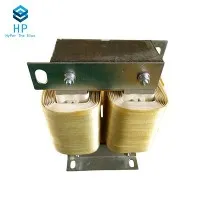
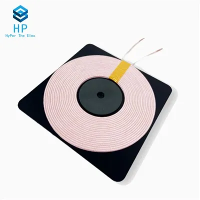
There are several types of PFC inductors available, including Toroidal Inductors, Coil Inductors, and Filter Inductors. Each type of inductor has its own advantages and disadvantages, and the choice of inductor depends on the specific requirements of the application.
Toroidal Inductors
Toroidal inductors are made by winding a coil of wire around a toroidal core. They have a high inductance value, low resistance, and low electromagnetic interference (EMI). Toroidal inductors are commonly used in high-power applications because they can handle high currents without saturating.
Coil Inductors
Coil inductors are made by winding a coil of wire around a cylindrical core. They have a lower inductance value than toroidal inductors, but they are less expensive and easier to manufacture. Coil inductors are commonly used in low-power applications because they can handle lower currents without saturating.
Filter Inductors
Filter inductors are used to filter out high-frequency noise and interference from the input or output of a circuit. They are commonly used in power supplies, audio amplifiers, and other electronic devices. Filter inductors can be either toroidal or coil inductors, depending on the specific requirements of the application.
Selecting the Right PFC Inductor for Your LED Driver
When selecting a PFC inductor for your LED driver, it is important to consider the specific requirements of the application, including the input voltage, output power, switching frequency, and ambient temperature. You should also consider the type of inductor, the inductance value, the current rating, the saturation current, and the core material.
Here are some steps to help you select the right PFC inductor for your LED driver:
- Determine the input voltage and output power of the LED driver. This will help you determine the required inductance value and current rating of the inductor.
- Select the type of inductor based on the specific requirements of the application. Toroidal inductors are commonly used in high-power applications, while coil inductors are commonly used in low-power applications.
- Select the inductance value based on the input voltage, output power, and switching frequency of the LED driver. A higher inductance value generally results in a smoother input current waveform and lower ripple current, but it also increases the size and cost of the inductor.
- Select the current rating based on the input current and the peak current of the LED driver. A higher current rating generally results in a more robust inductor that can handle higher currents without saturating, but it also increases the size and cost of the inductor.
- Select the saturation current based on the maximum current that the inductor will experience in the application. A higher saturation current generally results in a more reliable inductor that can handle higher currents without saturating.
- Select the core material based on the specific requirements of the application. Ferrite cores are commonly used in PFC inductors because they have a high permeability, low core loss, and good temperature stability.
Conclusion
Selecting the right PFC inductor for a LED driver is a critical task that can significantly impact the performance, efficiency, and reliability of the lighting system. As a PFC inductor supplier, I understand the importance of making the correct choice, and I am committed to providing high-quality PFC inductors that meet the specific requirements of my customers.


If you are looking for a PFC inductor for your LED driver, please contact us to discuss your specific requirements. We will work with you to select the right inductor for your application and provide you with a competitive quote.