


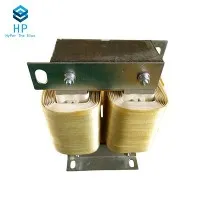

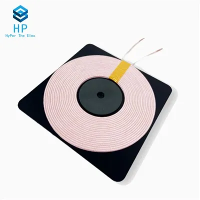

As a supplier of Toroidal Inductors, I've witnessed firsthand the growing demand for these components in various electronic applications. Toroidal inductors are known for their unique design and excellent performance characteristics, especially when it comes to electromagnetic interference (EMI). In this blog, I'll delve into the EMI characteristics of toroidal inductors, exploring how they work, their advantages, and how they compare to other types of inductors.
Understanding EMI and Its Impact
Electromagnetic interference (EMI) is a phenomenon that occurs when electromagnetic fields generated by one electronic device interfere with the normal operation of another device. This interference can manifest in various forms, such as noise, signal distortion, or even complete device failure. EMI can be caused by a variety of sources, including power supplies, motors, and other electronic components.
In electronic systems, EMI can be a significant problem, especially in sensitive applications such as medical devices, aerospace systems, and telecommunications equipment. To mitigate the effects of EMI, engineers often use shielding, filtering, and other techniques to reduce the electromagnetic fields generated by electronic devices.
How Toroidal Inductors Work
Toroidal inductors are a type of inductor that uses a toroidal (doughnut-shaped) core to create a magnetic field. The core is typically made of a ferromagnetic material, such as iron or ferrite, which helps to concentrate the magnetic field and increase the inductance of the inductor.
When an electric current flows through the coil of a toroidal inductor, it creates a magnetic field that is concentrated within the core. This magnetic field stores energy and opposes any changes in the current flowing through the coil. As a result, toroidal inductors are often used in applications where a high inductance value is required, such as power supplies, filters, and transformers.
EMI Characteristics of Toroidal Inductors
One of the key advantages of toroidal inductors is their excellent EMI characteristics. Because the magnetic field is concentrated within the core, toroidal inductors produce less electromagnetic radiation than other types of inductors. This makes them ideal for use in applications where EMI is a concern, such as in sensitive electronic equipment.
In addition, toroidal inductors have a low leakage inductance, which means that they produce less magnetic field outside of the core. This further reduces the risk of EMI and makes toroidal inductors more efficient than other types of inductors.
Another advantage of toroidal inductors is their high Q factor. The Q factor is a measure of the efficiency of an inductor, and a high Q factor indicates that the inductor has low losses and can store energy more effectively. Toroidal inductors typically have a higher Q factor than other types of inductors, which makes them more suitable for use in high-frequency applications.


Comparing Toroidal Inductors to Other Types of Inductors
When it comes to EMI characteristics, toroidal inductors have several advantages over other types of inductors. For example, compared to air-core inductors, toroidal inductors produce less electromagnetic radiation and have a higher inductance value. This makes them more suitable for use in applications where EMI is a concern.
Compared to solenoidal inductors, toroidal inductors have a lower leakage inductance and a higher Q factor. This makes them more efficient and more suitable for use in high-frequency applications.
Applications of Toroidal Inductors
Toroidal inductors are used in a wide range of applications, including power supplies, filters, transformers, and telecommunications equipment. In power supplies, toroidal inductors are often used to filter out high-frequency noise and ripple, which helps to improve the efficiency and reliability of the power supply.
In filters, toroidal inductors are used to block unwanted frequencies and pass only the desired frequencies. This helps to improve the signal quality and reduce the risk of interference.
In transformers, toroidal inductors are used to transfer electrical energy from one circuit to another. Because toroidal inductors have a high inductance value and a low leakage inductance, they are more efficient and more suitable for use in high-power applications.
Conclusion
In conclusion, toroidal inductors are a type of inductor that offers excellent EMI characteristics, high efficiency, and a wide range of applications. As a supplier of Toroidal Inductors, I'm proud to offer high-quality products that meet the needs of our customers. If you're looking for a reliable and efficient inductor for your next project, I encourage you to consider toroidal inductors.
If you're interested in learning more about our Toroidal Inductors or would like to discuss your specific requirements, please don't hesitate to contact us. We'd be happy to help you find the right solution for your application.
References
- "Toroidal Inductors: Design, Applications, and Performance." Electronics Tutorials.
- "Electromagnetic Interference (EMI) in Electronic Systems." IEEE Transactions on Electromagnetic Compatibility.
- "The Basics of Inductors and Their Applications." All About Circuits.